Landlord Pest Control Responsibility: Who Pays for Pests in an Apartment?
Finding a cockroach running across your kitchen at midnight is bad enough.
Finding three more the next morning? Now you have a different problem.
Besides figuring out how to get rid of the pests, apartment renters usually have another question:
Who is responsible for pest control—the landlord or the tenant?
The answer isn’t always as simple as “the landlord pays.”
Landlord pest control responsibility can depend on where you live, what caused the infestation, how serious the problem is, and what your lease says. State and local landlord-tenant laws can also make a big difference.
So before you grab a can of bug spray and declare war on everything with six legs, here’s what you should know.
What Pests Are Common in Apartments?
Apartments can attract many of the same pests you would find in a single-family home, including:
- Cockroaches
- Ants
- Bed bugs
- Mice
- Rats
- Fleas
- Flies
- Spiders
- Stored-food pests
Multi-family buildings can make pest problems especially frustrating because your apartment isn’t an island.
Roaches, rodents, and other pests can move between units through wall voids, plumbing openings, cracks, hallways, utility lines, and other parts of the building.
That means you can keep your apartment spotless and still end up dealing with pests.
The U.S. Environmental Protection Agency recommends an integrated pest management, or IPM, approach for multi-family housing. Instead of relying only on pesticides, IPM focuses on removing the food, water, shelter, and entry points pests need to survive.
That matters because spraying whatever bug you see doesn’t necessarily solve the reason the bugs are there.
Is Pest Control the Landlord’s Responsibility?
In many situations, landlords have a responsibility to maintain rental housing in habitable condition.
Most U.S. jurisdictions recognize some form of an implied warranty of habitability for residential rentals. In simple terms, this means a landlord generally has an obligation to maintain housing that meets basic health and safety requirements. The exact standards and tenant remedies vary by jurisdiction.
A serious pest infestation may become a habitability issue, particularly when it creates a significant health or safety problem.
But that doesn’t mean every ant you see automatically becomes your landlord’s financial responsibility.
The details matter.
You should check:
- Your lease
- Your state’s landlord-tenant laws
- Local housing and health codes
- Who or what caused the infestation
- Whether the pest problem affects multiple units
- Whether a building maintenance problem is allowing pests inside
When you’re unsure, start by reporting the problem to your landlord or property manager in writing.
When Is a Landlord More Likely to Be Responsible for Pest Control?
There are several situations where the responsibility is more likely to fall on the landlord or property manager.
The Infestation Existed Before You Moved In
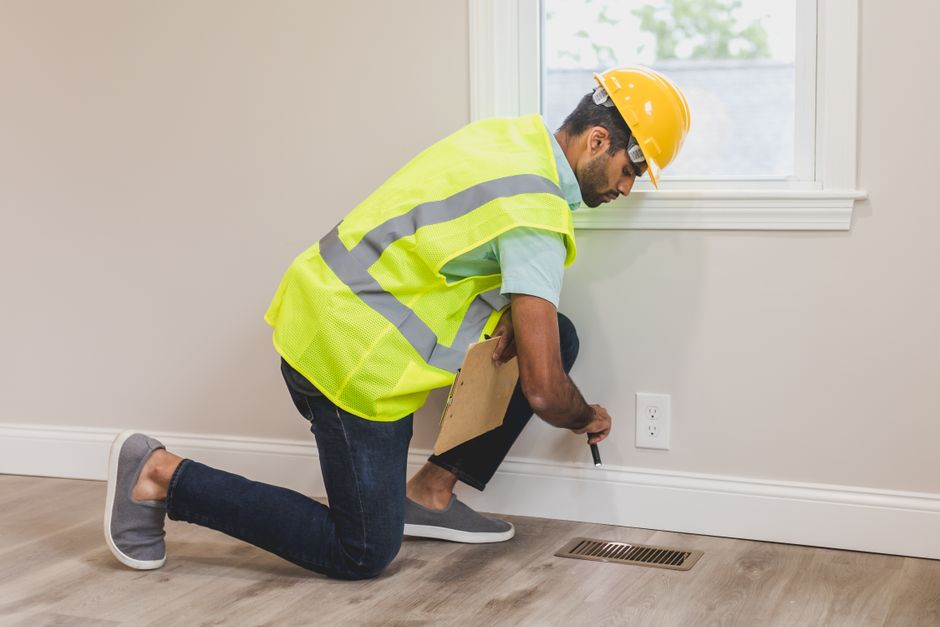
If you move into an apartment and quickly discover an established cockroach, rodent, or bed bug problem, document it immediately.
Photos, videos, written notes, emails, and maintenance requests can help establish when you first noticed the infestation.
A pest problem that existed before you occupied the apartment is much harder to blame on your housekeeping.
Pests Are Entering Through Building Problems
Here’s where things get interesting.
You can kill mice all day long, but if there’s a two-inch opening around a pipe behind your stove, more mice may simply show up.
Structural and maintenance problems that can contribute to pest infestations include:
- Cracks around doors and windows
- Holes around plumbing lines
- Damaged screens
- Water leaks
- Gaps in walls or cabinets
- Poorly maintained garbage areas
- Openings around utility penetrations
The EPA specifically recommends exclusion, maintenance, sanitation, and eliminating food and water sources as parts of effective pest management in multi-family housing.
In other words, sometimes the real pest-control solution isn’t stronger pesticide.
It’s fixing the building.
The Infestation Affects Multiple Apartments
If your neighbor has roaches, the apartment above you has roaches, and you’ve started seeing them too, treating only your unit may not accomplish much.
Pest control in multi-family housing often requires cooperation between residents, management, maintenance staff, and pest-control professionals. The EPA notes that neighboring apartments may need to be inspected to identify and control the source of a pest problem.
That’s something individual tenants usually can’t coordinate on their own.
When Could the Tenant Be Responsible?
Tenants have responsibilities too.
If a pest infestation can reasonably be tied to a tenant’s actions or failure to follow sanitation requirements, the tenant may potentially be responsible for some or all of the pest-control costs depending on the lease and local law.
For example, problems can develop when someone repeatedly:
- Leaves uncovered food sitting out
- Allows garbage to pile up
- Fails to clean food spills
- Leaves pet food out
- Creates excessive clutter that provides pest hiding places
- Ignores a pest problem without reporting it
- Brings infested furniture or belongings into the apartment
This doesn’t mean your apartment needs to look like a furniture showroom 24 hours a day.
You live there.
But basic sanitation makes a big difference.
The EPA recommends that apartment residents follow lease requirements involving housekeeping, sanitation, and trash storage while also promptly reporting pests, leaks, and other problems to property management.
Signs You May Have a Pest Problem
Pests aren’t always kind enough to introduce themselves.
Often, you’ll notice evidence before you see the actual pest.
Watch for:
Droppings
Rodent and cockroach droppings can show up around cabinets, appliances, pantries, drawers, and other protected areas.
If you find suspected rodent droppings, don’t immediately sweep or vacuum them. The EPA points residents to CDC guidance for safely cleaning rodent-contaminated areas because rodent material can carry disease agents.
Gnaw Marks
Mice and rats regularly chew.
Look for damage to food packaging, cardboard, wires, furniture, and other materials.
Strange Sounds
Scratching, squeaking, or movement inside walls and ceilings—especially at night—can indicate rodents or other animals.
One random noise doesn’t necessarily mean you have an infestation.
Nightly scratching deserves a closer look.
Live or Dead Pests
Seeing one pest doesn’t always mean there’s a massive infestation.
But repeated sightings are worth documenting, especially with cockroaches, rodents, or bed bugs.
Unusual Damage
Shredded paper, damaged food packages, holes, staining, insect skins, egg cases, or unexplained bites may all justify further inspection.
How to Report Pests to Your Landlord
Don’t rely only on a hallway conversation with your landlord.
Document the problem.
1. Take Photos and Videos
Photograph pests, droppings, damage, gaps, leaks, and anything else that might help explain what’s happening.
Also record the date and location.
2. Report the Problem in Writing
Email your landlord or use the maintenance system provided by your apartment complex.
Include:
- What pest you saw
- Where you saw it
- When the problem started
- How often you’re seeing activity
- Any damage you’ve found
- Photos or videos if available
Written communication creates a record showing that you reported the problem.
3. Give Management Access for Inspection
Pest-control professionals may need access to your apartment to inspect or treat it.
Follow reasonable preparation instructions, such as clearing cabinets or moving items away from walls.
4. Follow Up
If the problem continues, document that too.
A single treatment doesn’t always eliminate an established infestation.
Don’t assume management knows the problem is still happening unless you tell them.
How to Prevent Pests in an Apartment
Whether you’re responsible for pest-control costs or not, nobody wants pests hanging around.
A few boring habits work surprisingly well.
Keep Food Sealed
Store cereal, flour, rice, pet food, snacks, and other foods in sealed containers whenever practical.
Clean Up Food and Crumbs
Pay extra attention to areas around:
- Stoves
- Refrigerators
- Toasters
- Pet bowls
- Trash cans
- Cabinets
That French fry hiding under your stove isn’t paying rent, but a cockroach will happily eat it.
Take Out the Trash
Use trash containers with lids and avoid letting garbage pile up indoors.
Eliminate Water Sources
Cockroaches and rodents need water too.
Report leaking pipes and faucets, and avoid leaving standing water around sinks, pet bowls, plant trays, and other areas.
The EPA identifies removing food, water, and shelter as key parts of pest prevention.
Seal Entry Points
Small gaps around pipes, windows, doors, cabinets, and walls can provide pest highways into your apartment.
Report building-related openings to maintenance rather than assuming pesticide alone will solve the problem.
When Should You Call a Professional Exterminator?
DIY pest control can work for minor problems.
But an established infestation is different.
Professional pest control may be worth considering when:
- You repeatedly see cockroaches or rodents
- You suspect bed bugs
- The infestation keeps returning
- Multiple apartments appear affected
- You can’t identify the pest
- The problem involves inaccessible wall or ceiling areas
- Store-bought treatments aren’t working
Before hiring someone yourself, check your lease and contact your landlord or property manager. Depending on your local law and lease, there may be requirements about notice, access, approved vendors, or who pays for treatment.
And be careful about automatically deducting extermination costs from your rent.
Rules for remedies such as “repair and deduct” and rent withholding vary considerably by jurisdiction and may require specific notice or other procedures.
If you’re dealing with a serious dispute, check your state or local landlord-tenant rules or consider contacting a qualified local housing attorney or tenant-assistance organization.
Need Professional Pest Control Help?
If you’ve reported the problem and need professional pest-control service, you can connect with a licensed exterminator in your area.
Not ready to schedule service?
You can also compare quotes from local pest-control companies.
Compare Quotes From Pest Control Services →
Affiliate disclosure: If applicable, this page may earn a commission when you use certain links, at no additional cost to you.
Not Sure What Pest You’re Dealing With?
Before deciding how to treat a pest, you need to know what it is.
A tiny beetle, cockroach nymph, termite, ant, and bed bug can look surprisingly similar when you’re staring at something the size of a grain of rice.
You can use our free AI pest identifier at id.allpestandtermite.com to help narrow down what you’re seeing.
An identification tool can be a useful starting point, but don’t rely on an AI identification alone when the pest could cause significant property damage or require specialized treatment. A pest-control professional can confirm the identification when needed.
Frequently Asked Questions
Is pest control the landlord’s responsibility?
Sometimes. Landlords generally have obligations related to maintaining habitable rental housing, but pest-control responsibility depends on state and local law, the lease, the severity of the infestation, and what caused the problem. A building-wide infestation or pest problem caused by structural defects is different from a pest problem caused by conditions inside one tenant’s unit.
Does a landlord have to pay for an exterminator?
Not automatically in every situation. The answer depends on local landlord-tenant law, the lease, and the cause of the infestation. Report the issue in writing before hiring an exterminator yourself.
Can a landlord charge a tenant for pest control?
Potentially. If the infestation was caused by a tenant’s actions or a violation of lease requirements, local law or the lease may allow the landlord to charge the tenant. That isn’t a universal rule, so check the laws where you live.
What should I do as soon as I see pests in my apartment?
Document what you see, take photos when possible, and report the problem to your landlord or property manager in writing. Also remove accessible food, water, garbage, and clutter that could help the pests survive.
Can I stop paying rent if my landlord won’t fix a pest problem?
Don’t assume you can. Rent-withholding and repair-and-deduct rules vary by state and locality and often involve specific requirements. Check the law where you live before withholding rent.
The Bottom Line
So, who is responsible for pest control in an apartment?
It depends.
If pests are coming from building defects, existed before you moved in, affect several apartments, or create serious habitability concerns, the landlord may have responsibility for addressing the problem.
If the infestation resulted from a tenant’s actions, responsibility may shift toward the tenant.
The smartest first move is simple:
Document the problem, report it quickly, read your lease, and check your local landlord-tenant laws.
Then focus on solving the actual cause of the infestation—not just killing the bug that happened to walk across your kitchen counter.
❓ Frequently Asked Questions
What is a landlord’s pest control responsibility?
A landlord’s pest control responsibility typically includes ensuring that the rental property is free from infestations and maintaining a safe living environment. This means addressing pest issues promptly and effectively, often by hiring professional pest control services when necessary.
Are landlords required to handle pest control for tenants?
Yes, landlords are generally required to handle pest control for tenants, especially if the infestation is due to structural issues or lack of maintenance. It’s important for landlords to communicate with tenants about pest problems and take appropriate action to resolve them.
What should tenants do if pests are found in their rental unit?
If tenants find pests in their rental unit, they should notify their landlord immediately in writing. This allows the landlord to take responsibility for pest control and arrange for professional treatment if needed.
Can tenants be charged for pest control services?
Landlords may charge tenants for pest control services if the infestation is caused by the tenant’s actions, such as poor hygiene or neglect. It’s essential for both parties to understand their responsibilities regarding pest control to avoid disputes.
What are common pests landlords should be aware of?
Common pests that landlords should be aware of include rodents, bed bugs, cockroaches, and termites. Regular inspections and maintenance can help prevent infestations and ensure that landlords fulfill their pest control responsibility.
Not ready to call? Get free competitive quotes.
Compare top-rated local pest control pros — it’s free.
Not Sure What Bug You Found?
Upload a photo to our free AI Pest Identifier. Get an instant ID, severity rating, and step-by-step treatment plan — no account required.
🔍 Identify My Pest Free →