Pest control is an essential aspect of maintaining a healthy and comfortable living or working environment. Unwanted guests like insects, rodents, and other critters can not only be a nuisance but also pose significant health risks, cause structural damage, and contaminate food supplies. Effective pest management goes beyond simply eliminating visible pests; it involves a comprehensive approach that addresses the root causes of infestations, implements preventative measures, and utilizes targeted treatments to ensure long-term relief. For homeowners and businesses alike, understanding the principles of integrated pest management (IPM) and the various tools and techniques available is crucial for creating a pest-free environment. This article delves into the multifaceted world of pest control, exploring the common types of pests encountered, outlining the core components of an effective pest management strategy, discussing various treatment options, and emphasizing the importance of ongoing prevention and maintenance to safeguard your property and well-being.
Understanding Common Pests and Their Impact
The first step in effective pest control is to identify the specific pests you are dealing with and understand their habits, life cycles, and potential impact. Different pests require different approaches, and a misidentification can lead to ineffective treatments and prolonged infestations. Pests can be broadly categorized into insects, arachnids, and rodents, each presenting unique challenges.
- Insects: This vast category includes a wide range of common household and commercial pests.
- Ants: Often found foraging for food and water, ants can contaminate food and, in some species, cause structural damage (e.g., carpenter ants) or deliver painful bites (e.g., fire ants).
- Cockroaches: Known carriers of bacteria and allergens, cockroaches thrive in warm, humid environments and can quickly multiply, posing significant health risks and contaminating food preparation areas.
- Flies: House flies, fruit flies, and drain flies can transmit diseases and contaminate food. They are attracted to decaying organic matter and moisture.
- Mosquitoes: Primarily outdoor pests, mosquitoes are vectors for serious diseases like West Nile virus, Zika, and dengue fever. They breed in standing water.
- Termites: These silent destroyers can cause extensive structural damage to homes and buildings, often going undetected until significant damage has occurred.
- Bed Bugs: Nocturnal blood-feeders, bed bugs cause itchy bites and can be notoriously difficult to eradicate, spreading rapidly through homes and multi-unit dwellings.
- Fleas: Common on pets, fleas can cause itchy bites on humans and transmit diseases. Their larvae and pupae can hide in carpets and upholstery.
- Arachnids: While not insects, spiders and mites are also common pests.
- Spiders: Most spiders are harmless, but some, like black widows and brown recluse spiders, can deliver venomous bites. They often seek shelter indoors.
- Mites: Dust mites are microscopic and can trigger allergies and asthma. Other mites, like clover mites, can invade homes in large numbers.
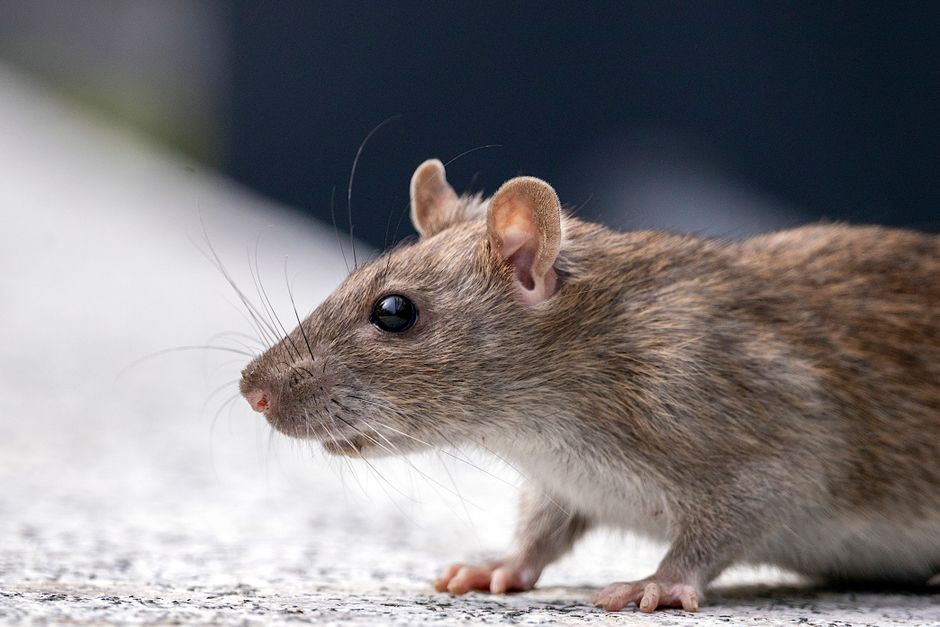
- Rodents: Mice and rats are highly destructive and carry numerous diseases.
- Mice: Small and prolific breeders, mice can squeeze through tiny openings, contaminating food, gnawing on wires, and spreading pathogens.
- Rats: Larger and more cautious than mice, rats can cause extensive damage to property, contaminate food, and transmit serious diseases like leptospirosis and hantavirus.
Understanding the specific threats posed by these pests is the foundation for developing an effective control strategy. Early identification and knowledge of their behavior patterns are critical for successful intervention.
Core Components of an Effective Pest Management Strategy
An effective pest management strategy is not a one-time event but a continuous process that integrates several key components. This holistic approach, often referred to as Integrated Pest Management (IPM), focuses on long-term prevention and control, minimizing risks to human health and the environment. It prioritizes understanding the pest’s biology and environment to make informed decisions about control methods.
- Inspection and Identification:
- Thorough Assessment: The process begins with a detailed inspection of the property to identify the type of pest, the extent of the infestation, entry points, harborage areas, and contributing environmental factors.
- Accurate Identification: Correctly identifying the pest is paramount, as different pests respond to different control methods. Misidentification can lead to wasted effort and resources.
- Monitoring:
- Ongoing Surveillance: Regular monitoring helps track pest activity, assess the effectiveness of treatments, and detect new infestations early. This can involve traps, visual inspections, and client feedback.
- Exclusion and Sanitation (Prevention):
- Sealing Entry Points: Pests often enter through cracks, gaps, and openings in foundations, walls, windows, and doors. Sealing these entry points is a critical preventative measure.
- Proper Food Storage: Storing food in airtight containers denies pests access to food sources.
- Waste Management: Regular removal of garbage and proper sealing of trash bins prevents attracting pests.
- Eliminating Water Sources: Repairing leaky pipes and faucets, and addressing areas of standing water, removes essential water sources for many pests.
- Reducing Harborage: Decluttering, trimming vegetation away from structures, and maintaining a clean environment reduces hiding and breeding spots.
- Treatment and Control:
- Targeted Application: Treatments should be applied strategically to specific areas where pests are active, rather than broad, indiscriminate spraying.
- Least Toxic Options First: IPM emphasizes using the least hazardous methods first, such as baits, traps, or biological controls, before resorting to conventional pesticides.
- Combination of Methods: Often, a combination of physical, cultural, and chemical methods is most effective for comprehensive control.
- Evaluation and Follow-Up:
- Assessing Effectiveness: After treatment, it is crucial to evaluate its effectiveness and make adjustments as needed.
- Ongoing Maintenance: Pest control is an ongoing process. Regular follow-up visits and continued preventative measures are necessary to maintain a pest-free environment.
By integrating these components, a pest management strategy becomes proactive and sustainable, offering long-term protection rather than just temporary relief.
Various Treatment Options and Technologies
The landscape of pest control has evolved significantly, offering a diverse range of treatment options and technologies. These methods vary in their approach, efficacy, and environmental impact, allowing for tailored solutions based on the specific pest, severity of infestation, and client preferences. From traditional chemical applications to innovative biological and physical controls, a comprehensive understanding of these options is vital.
- Chemical Treatments: These involve the use of pesticides to eliminate pests.
- Insecticides: Designed to kill insects, available in various forms like sprays, dusts, granules, and baits. They can be contact, stomach, or systemic poisons.
- Rodenticides: Used to control rodent populations, typically in the form of baits. Care must be taken to place them in areas inaccessible to children and pets.
- Fumigants: Gaseous pesticides used for severe infestations, particularly for pests like termites or bed bugs in enclosed spaces. Requires professional application and evacuation of the premises.
- Growth Regulators: Chemicals that disrupt the life cycle of insects, preventing them from maturing or reproducing. Often used in conjunction with other insecticides.
- Physical Controls: These methods involve physically removing or deterring pests.
- Traps: Sticky traps, snap traps, live traps, and pheromone traps are used for monitoring and capturing various pests, including rodents, insects, and flying insects.
- Barriers: Physical barriers like screens, door sweeps, and sealants prevent pests from entering structures.
- Heat Treatment: For pests like bed bugs, raising the temperature of an infested area to lethal levels can be an effective, non-chemical control method.
- Cold Treatment: Freezing infested items can also kill certain pests.
- Biological Controls: This involves using natural enemies or biological processes to manage pest populations.
- Beneficial Insects: Introducing predatory insects or parasites that prey on specific pests. More common in agricultural settings but can be used in some indoor scenarios.
- Microbial Pesticides: Using bacteria, fungi, or viruses that are pathogenic to specific pests.
- Baiting Systems:
- Insect Baits: Formulated with an attractant and a slow-acting insecticide, allowing pests to carry the poison back to their colony, effectively eliminating the source.
- Rodent Baits: Similar to insect baits, these attract rodents to consume a lethal dose, often designed to be palatable.
- Repellents: Substances that deter pests without killing them.
- Ultrasonic Devices: Emit high-frequency sound waves intended to repel rodents and insects, though their effectiveness is often debated.
- Natural Repellents: Certain essential oils or plant extracts can deter some pests, but their efficacy and longevity are often limited.
The selection of a treatment method should always consider the safety of occupants, pets, and the environment, prioritizing targeted and least-toxic options whenever possible.
Ongoing Prevention and Maintenance for a Pest-Free Environment
Achieving a pest-free environment is not a destination but an ongoing journey that requires consistent vigilance and proactive maintenance. Even after successful eradication, without continuous preventative measures, properties remain vulnerable to new infestations. Long-term pest control hinges on establishing routines and habits that make your environment less attractive and accessible to pests, ensuring sustained protection and peace of mind.
- Regular Inspections:
- Routine Checks: Periodically inspect your property, both indoors and outdoors, for any signs of pest activity, potential entry points, or conditions that might attract pests.
- Seasonal Awareness: Be aware of seasonal pest trends and adjust your inspection and prevention efforts accordingly (e.g., sealing gaps before winter to prevent rodents).
- Maintain a Clean Environment:
- Kitchen Hygiene: Keep kitchen counters, floors, and appliances clean and free of food crumbs and spills. Wipe down surfaces regularly.
- Proper Waste Disposal: Use trash cans with tight-fitting lids and empty them frequently. Store outdoor garbage bins away from the house.
- Declutter: Reduce clutter in basements, attics, garages, and storage areas, as these provide ideal harborage for many pests.
- Seal and Repair:
- Seal Cracks and Gaps: Regularly inspect and seal any cracks, crevices, or gaps in foundations, walls, around pipes, and utility lines. Use caulk, steel wool, or appropriate sealants.
- Repair Screens: Fix torn window and door screens to prevent flying insects from entering.
- Door Sweeps: Install or replace door sweeps on exterior doors to close gaps at the bottom.
- Manage Moisture:
- Fix Leaks: Promptly repair any leaky faucets, pipes, or roofs. Address areas of standing water around the property.
- Improve Drainage: Ensure proper drainage around the foundation to prevent water accumulation.
- Ventilation: Improve ventilation in damp areas like bathrooms, basements, and crawl spaces to reduce humidity.
- Landscape Management:
- Trim Vegetation: Keep trees, shrubs, and other vegetation trimmed away from the exterior of your home. Overhanging branches can provide bridges for pests.
- Remove Debris: Clear leaf litter, woodpiles, and other organic debris from around the foundation, as these can harbor pests.
- Mulch Management: If using mulch, keep it a few inches away from the foundation.
- Food Storage:
- Airtight Containers: Store all food items, including pet food, in sealed, pest-proof containers.
- Pantry Organization: Keep pantry shelves clean and organized, regularly checking for signs of pests.
- Professional Partnership:
- Scheduled Services: Consider regular pest control services from a qualified professional, especially for businesses or properties with a history of infestations. Professionals can provide expert monitoring and targeted preventative treatments.
By integrating these ongoing prevention and maintenance practices into your routine, you can significantly reduce the likelihood of pest problems, ensuring a safer, healthier, and more comfortable environment for everyone.
Related Reading
- Effective Strategies for Rodent Control (Part 2)
- Rodent Infestation Warning Signs Every Homeowner Should Know
🔍 Hearing noises or finding droppings? Get a free AI identification →
❓ Frequently Asked Questions
What are some comprehensive strategies for effective pest control in my home?
To implement comprehensive strategies for effective pest control, start by sealing entry points like cracks and gaps in walls, doors, and windows. Maintain cleanliness by regularly cleaning up food debris and storing food in airtight containers. Additionally, consider using traps and baits to manage existing infestations.
How can I prevent rodents from entering my home?
Preventing rodents from entering your home involves several strategies. Ensure that all potential entry points, such as holes in walls and gaps around pipes, are sealed. Keep your yard tidy by trimming overgrown bushes and removing debris, which can serve as hiding spots for rodents.
What should I do if I find signs of a rodent infestation?
If you find signs of a rodent infestation, such as droppings or gnaw marks, act quickly to address the issue. Start by removing food sources and clutter that may attract them. Set traps in areas where you’ve noticed activity, and consider contacting a pest control professional for more severe infestations.
Are there natural methods for effective pest control?
Yes, there are several natural methods for effective pest control that homeowners can use. For example, using essential oils like peppermint can deter rodents when applied near entry points. Additionally, maintaining a clean environment and using traps can help manage pest populations without harsh chemicals.
How often should I inspect my home for pests?
It’s advisable to inspect your home for pests at least once a month, especially in areas prone to infestations like basements and attics. Regular inspections can help you catch any signs of pests early and implement comprehensive strategies for effective pest control before they become a larger problem.
🔍 Not Sure What Pest You Have?
Start with an ID so your long-term plan matches the pest.
Need a pro? Visit our Pest Control resource page
to compare your options.
Not ready to call? Get free competitive quotes.
🛒 What to Buy: DIY Treatment Products
Professional-grade products — the same ones exterminators use, available without a license.
Professional-grade bromadiolone bait — a single feeding delivers a lethal dose for rats and mice.
View Product →
Tamper-resistant bait station — keeps children and pets safe while targeting rodents.
View Product →
If the infestation is severe or beyond DIY control, see the professional option below.
Compare top-rated local pest control pros — it’s free.
Not Sure What Bug You Found?
Upload a photo to our free AI Pest Identifier. Get an instant ID, severity rating, and step-by-step treatment plan — no account required.
🔍 Identify My Pest Free →