
Understanding Fire Ant Behavior
Fire ants are social insects that live in colonies which can contain tens of thousands of ants. They are highly territorial and will aggressively defend their nests. Understanding their behavior can help in avoiding encounters and managing infestations.
Short on time? Find out what pest you have right now — free.
Use our free AI Pest ID tool, then come back to read the full treatment guide.
Nesting Habits
Fire ants typically build their mounds in open, sunny areas such as lawns, fields, and pastures. These mounds can be up to 18 inches high and often do not have a visible opening. Fire ants enter and exit their nests through underground tunnels.
Activity Patterns
Fire ants are most active during the warmer months, typically from late spring through early fall. They are less active in the winter but may still be present in milder climates. They forage for food during the day and are particularly active after rain when the ground is soft.
Early Warning Signs of Fire Ant Infestation
Recognizing the early signs of a fire ant infestation can help you take action before they become a larger problem.
- Visible Mounds: The presence of mounds in your yard is a clear indication of fire ants.
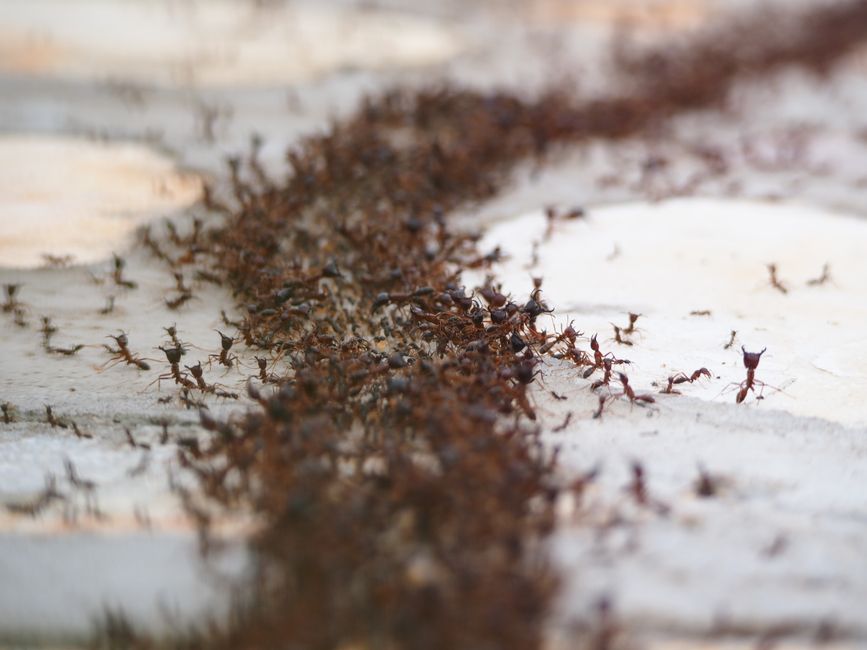
- Ant Trails: Fire ants often form visible trails as they move between their nests and food sources.
- Increased Ant Activity: If you notice an increase in ant activity, especially after rain, it may indicate a nearby nest.
DIY Fire Ant Control Methods
While professional pest control services are effective, there are several DIY methods you can employ to manage fire ant populations on your property.
Baiting Techniques
Baiting is one of the most effective ways to control fire ants. Baits are slow-acting insecticides that worker ants carry back to the nest, eventually killing the queen and the colony.
- Choose the Right Bait: Use a bait specifically designed for fire ants. Look for products containing active ingredients like hydramethylnon or spinosad.
- Apply Bait Properly: Scatter the bait around the mound, not on top of it. Apply when ants are actively foraging, usually in the early morning or late afternoon.
- Be Patient: Baits can take several weeks to eliminate a colony, so patience is key.
Direct Mound Treatments
Direct mound treatments can be used in conjunction with baiting to quickly reduce fire ant populations.
- Use Boiling Water: Pouring boiling water over the mound can kill a significant number of ants. Be cautious to avoid burns.
- Apply Insecticidal Drenches: Use a liquid insecticide labeled for fire ants and follow the instructions carefully. Drench the mound thoroughly to reach the queen.
- Granular Insecticides: These can be applied directly to the mound and watered in to activate the insecticide.
Safety Precautions When Handling Fire Ants
When dealing with fire ants, it’s important to take safety precautions to protect yourself from stings and exposure to chemicals.
- Wear Protective Clothing: Long sleeves, pants, and gloves can help prevent stings while working near fire ant mounds.
- Use Caution with Chemicals: Always read and follow label instructions when using insecticides. Keep children and pets away from treated areas.
- Be Aware of Allergic Reactions: If you experience severe symptoms after a sting, such as difficulty breathing or swelling of the face, seek medical attention immediately.
Seasonal Fire Ant Management
Fire ant management strategies can vary depending on the season. Understanding these seasonal patterns can help you implement effective control measures.
Spring and Summer
During the warmer months, fire ants are most active. This is the best time to apply baits as ants are foraging for food. Regularly inspect your property for new mounds and treat them promptly.
Fall
In the fall, fire ants begin to prepare for winter. This is a good time to apply baits to reduce the population before they become less active. Monitor for new mounds and treat as needed.
Winter
Fire ants are less active in the winter, but it’s still important to monitor for any signs of activity, especially in milder climates. Use this time to plan your spring control strategy.
Common Mistakes in Fire Ant Control
When attempting to control fire ants, homeowners often make mistakes that can hinder their efforts. Here are some common pitfalls to avoid:
- Using the Wrong Products: Not all insecticides are effective against fire ants. Ensure you are using products specifically designed for them.
- Improper Application: Applying baits directly on the mound or not following label instructions can reduce effectiveness.
- Inconsistent Treatment: Sporadic treatment can allow fire ant populations to rebound. Consistent and regular applications are necessary for effective control.
- Ignoring Surrounding Areas: Treating only visible mounds may not address the entire problem. Fire ants can have multiple nests, so a comprehensive approach is necessary.
Fire Ant Biology and Impact
Understanding the biology of fire ants can provide insights into why they are such a formidable pest and how they impact the environment.
Reproductive Cycle
Fire ant colonies are established by a queen who can lay hundreds of eggs daily. Worker ants care for the brood and maintain the nest. This rapid reproduction can lead to large infestations if not managed.
Ecological Impact
Fire ants can significantly impact local ecosystems. They compete with native ant species, disrupt ground-nesting wildlife, and can damage crops and electrical equipment.
Monitoring and Long-term Management
Effective fire ant control requires ongoing monitoring and management. Here are some strategies for long-term success:
- Regular Inspections: Conduct regular inspections of your property to identify new mounds and signs of activity.
- Integrated Pest Management (IPM): Use a combination of cultural, mechanical, and chemical methods to manage fire ant populations sustainably.
- Community Efforts: Collaborate with neighbors to implement area-wide control measures, as fire ants can easily move between properties.
By understanding fire ant behavior, recognizing early warning signs, and employing effective control measures, you can reduce the impact of these pests on your property. Consistent monitoring and management are key to keeping fire ant populations in check and preventing painful stings.
Common Mistakes Homeowners Make in Fire Ant Control
Despite the best intentions, many homeowners make critical mistakes when attempting to control fire ant populations. Understanding these errors can help in developing more effective strategies.
- Underestimating the Problem: Many homeowners fail to recognize the extent of a fire ant infestation, assuming that a few visible mounds indicate a minor problem. Fire ants can build extensive underground networks, so visible mounds may only represent a fraction of the colony.
- Inconsistent Treatment: Sporadic application of treatments can lead to ineffective control. Consistency is key, as fire ants can quickly rebound if treatments are not applied regularly and thoroughly.
- Improper Use of Pesticides: Using the wrong type or concentration of pesticide can be ineffective or harmful. Always follow label instructions and use products specifically designed for fire ants.
- Ignoring Surrounding Areas: Focusing only on visible mounds within a yard may ignore colonies in adjacent areas that can easily spread back into treated zones.
- Lack of Follow-up: After initial treatment, it’s crucial to monitor the area for new activity and apply follow-up treatments as necessary.
Step-by-Step Prevention Checklist
Preventing fire ant infestations requires diligence and regular maintenance. Use this checklist to reduce the likelihood of fire ants invading your property.
- Inspect Regularly: Conduct monthly inspections of your yard and surrounding areas for new mounds or signs of fire ant activity.
- Seal Entry Points: Check for cracks and openings in the foundation, doors, and windows of your home, and seal them to prevent ants from entering.
- Maintain Yard Cleanliness: Keep your yard free of debris, such as wood piles, leaf litter, and tall grass, which can provide shelter for fire ants.
- Manage Moisture: Ensure proper drainage in your yard to prevent excess moisture, which can attract fire ants.
- Use Bait Stations: Place fire ant bait stations around the perimeter of your property to intercept ants before they establish a colony.
Seasonal Behavior Patterns of Fire Ants
Understanding the seasonal behavior patterns of fire ants can help in planning effective control measures throughout the year.
- Spring: As temperatures rise, fire ants become more active, foraging for food and expanding their colonies. This is an ideal time to apply bait treatments.
- Summer: During hot months, fire ants may move deeper into the soil to escape high temperatures. Surface treatments may be less effective, so focus on baiting.
- Fall: Fire ants increase their foraging activity in preparation for winter. This is another effective time for baiting, as ants are actively seeking food.
- Winter: Colder temperatures slow down fire ant activity, but it’s important to monitor for any signs of activity and prepare for spring treatments.
Signs the Infestation is Getting Worse
Recognizing the signs of a worsening fire ant infestation can help you take timely action before the problem becomes unmanageable.
- Increased Mound Numbers: A noticeable increase in the number of mounds can indicate the colony is expanding.
- Larger Mounds: Mounds that are increasing in size may suggest a growing colony.
- Increased Ant Activity: More frequent sightings of ants foraging in your yard or home can signal a larger population.
- Multiple Colonies: Discovering mounds in various locations on your property can indicate multiple colonies are present.
What Professional Treatment Involves
Professional fire ant treatment typically involves a combination of techniques to ensure comprehensive control.
- Inspection and Assessment: Professionals begin with a thorough inspection to assess the extent of the infestation and identify colony locations.
- Baiting Programs: Professionals use specially formulated baits that are more effective and targeted than over-the-counter options.
- Soil Treatments: Applying insecticides to the soil can help eliminate colonies and prevent re-infestation.
- Follow-up Visits: Professional services often include follow-up visits to monitor the situation and apply additional treatments if necessary.
Cost Comparison of DIY vs Professional Treatment
When deciding between DIY and professional treatment for fire ant control, consider the cost implications of each approach.
- DIY Treatment: The cost of DIY methods can vary widely depending on the products used. A typical homeowner might spend $20-$50 on baits and insecticides per treatment, but multiple treatments may be necessary.
- Professional Treatment: Professional services can range from $100 to $300 per visit, depending on the size of the property and severity of the infestation. While more costly upfront, professional treatments often provide longer-lasting results.
Myths vs Facts about Fire Ant Control
There are many misconceptions about fire ant control. Understanding the myths and facts can help in making informed decisions.
- Myth: Boiling water is an effective method to eliminate fire ant colonies.
Fact: While boiling water can kill some ants, it rarely reaches the queen, allowing the colony to survive and rebuild. - Myth: All ants in a colony are aggressive.
Fact: Only a portion of the ants in a colony are workers tasked with foraging and defense. The rest are involved in other roles, such as caring for the queen and brood. - Myth: Natural remedies like vinegar and cinnamon will eliminate fire ants.
Fact: These remedies may repel ants temporarily but do not effectively eliminate colonies.
How Long Treatment Takes
The duration of fire ant treatment can vary based on the methods used and the severity of the infestation.
- Baiting: Bait treatments can take several days to a few weeks to show results, as the bait needs to be carried back to the colony and shared among the ants.
- Direct Mound Treatments: Directly treating mounds with insecticides can kill visible ants quickly, but it may take several applications to ensure the entire colony is affected.
- Professional Services: Professional treatments are designed to be more comprehensive and may show results within a week, with follow-up visits ensuring long-term control.
What to Do if DIY Fails
If your DIY efforts to control fire ants are unsuccessful, consider these steps to reassess and improve your approach.
- Evaluate Treatment Methods: Review the products and techniques you’ve used to ensure they are appropriate for fire ants and applied correctly.
- Increase Monitoring: Regularly inspect your property for new mounds or signs of activity to catch infestations early.
- Change Strategies: If one method isn’t working, try a different approach, such as switching from baiting to direct mound treatments.
- Research New Products: Stay informed about new and effective fire ant control products and consider integrating them into your strategy.
🛒 What to Buy: DIY Treatment Products
Professional-grade products — the same ones exterminators use, available without a license.
Kills carpenter, Argentine, odorous house, and most household ant species — colony-wide control.
View Product →
Pro Tip: Apply the gel in small dots near ant trails and entry points, but avoid over-applying; ants need to consume the bait and carry it back to the colony, so less is more for effective baiting.
Non-repellent perimeter spray — ants can’t detect it, track it back to the colony, and eliminate it.
View Product →
Pro Tip: For Taurus SC to be most effective, apply it in a band around the perimeter of your home and ensure it is not disturbed by rain or foot traffic for at least 24 hours to allow it to dry and create a lasting barrier.
If the infestation is severe or beyond DIY control, see the professional option below.
When to Call a Professional
While most fire ant stings can be treated at home, you should seek medical help if:
- You experience severe allergic reactions, such as difficulty breathing or swelling of the face.
- You have multiple stings and show signs of infection, such as increased redness or pus.
- You feel faint or dizzy after being stung.
Use Our Free Pest Identifier
Not sure exactly what you’re dealing with? Our free AI pest identifier at id.allpestandtermite.com can help you confirm your pest and get a full treatment plan in minutes.
Not ready to call? Get free competitive quotes.
Compare top-rated local pest control pros — it’s free.
❓ Frequently Asked Questions
What should I do immediately after a fire ant sting?
Fire ant stings can be painful, so it’s important to act quickly. First, remove any stingers if present by gently scraping them off with a flat object. Then, wash the area with soap and water to prevent infection, and apply a cold compress to reduce swelling.
How can I treat fire ant stings at home?
For fire ant stings, you can treat the affected area with over-the-counter antihistamines or hydrocortisone cream to alleviate itching and swelling. Additionally, taking oral pain relievers can help manage discomfort. Keep the area clean and monitor for any signs of infection.
When should I call a doctor for fire ant stings?
If you experience severe symptoms such as difficulty breathing, swelling of the face or throat, or a rapid heartbeat after a fire ant sting, seek medical attention immediately. These could be signs of an allergic reaction, which requires prompt treatment.
Are fire ant stings dangerous?
While most fire ant stings cause localized pain and irritation, they can be dangerous for individuals who are allergic to their venom. If you have a history of allergic reactions to insect stings, be especially cautious and prepared to seek medical help if stung.
What are some effective first aid measures for fire ant stings?
Effective first aid for fire ant stings includes cleaning the sting site, applying a cold compress, and using antihistamines or topical creams to relieve symptoms. If the pain persists or worsens, consider consulting a healthcare professional for further advice.
Still not sure exactly what you’re dealing with?
Describe your pest or upload a photo — our free AI identifies it in seconds and gives you a full treatment plan.
Not Sure What Bug You Found?
Upload a photo to our free AI Pest Identifier. Get an instant ID, severity rating, and step-by-step treatment plan — no account required.
🔍 Identify My Pest Free →