
Short on time? Find out what pest you have right now — free.
Use our free AI Pest ID tool, then come back to read the full treatment guide.
Spiders, while often beneficial predators in the natural world, can become a source of anxiety and discomfort when they invade our homes and businesses. Their intricate webs, sudden appearances, and the general perception of them as creepy-crawlies make them unwelcome guests for many. While most spiders encountered indoors are harmless, a few species can deliver venomous bites, adding to the concern. Effective management of spiders, along with other common nuisance pests, requires a strategic approach that combines understanding their behavior, implementing preventative measures, and utilizing targeted control methods to ensure a comfortable and pest-free environment. This article delves into the world of spiders and other common nuisance pests, exploring their impact, outlining comprehensive identification and prevention techniques, discussing various control methods, and emphasizing the importance of ongoing vigilance and environmental management to maintain a clean and safe indoor and outdoor space.
Understanding Spiders and Their Impact
Spiders are arachnids, not insects, and play a crucial role in controlling insect populations. However, their presence indoors can be unsettling, and some species pose a health risk. Understanding their habits and the impact they can have is the first step in effective management.
- Common Indoor Spiders:
- House Spiders: These are the most common spiders found indoors, often building irregular webs in corners, under furniture, and in basements. They are generally harmless.
- Cellar Spiders (Daddy Long-Legs): Characterized by their very long, thin legs, they build loose, irregular webs in damp, dark areas like basements and crawl spaces. Harmless.
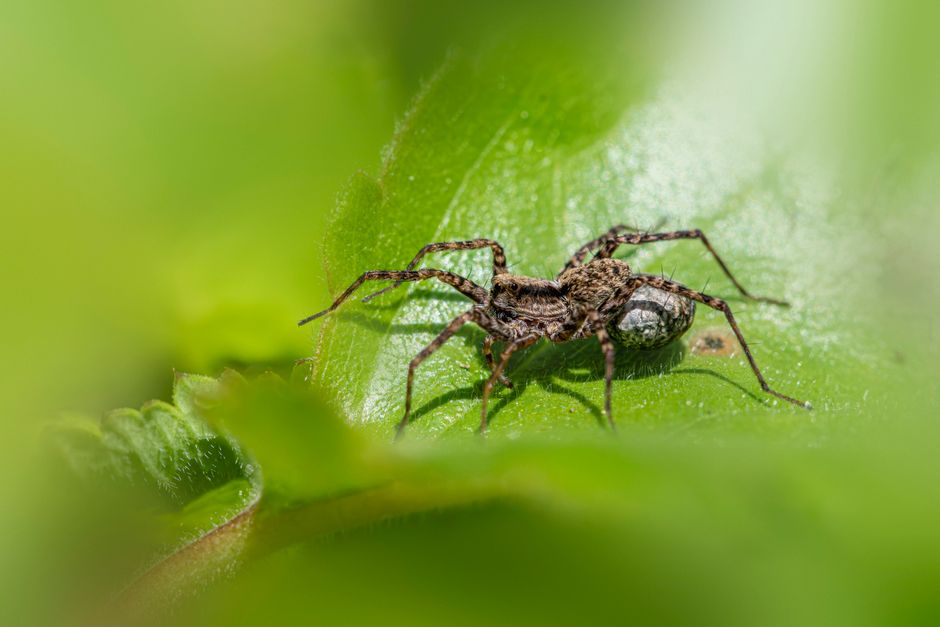
- Wolf Spiders: Large, hairy, and fast-moving, wolf spiders do not build webs to catch prey but actively hunt. They are often found on floors or under furniture. Their bite is usually not serious.
- Jumping Spiders: Small, stocky spiders with excellent eyesight, they are active hunters and often seen on windowsills or walls. Harmless.
- Black Widow Spiders: Easily identifiable by the red hourglass marking on their abdomen, these spiders build messy, irregular webs, often in secluded, undisturbed areas. Their bite is venomous and requires medical attention.
- Brown Recluse Spiders: Characterized by a violin-shaped marking on their back, these spiders are reclusive and build irregular webs in dark, undisturbed areas. Their bite can cause a necrotic lesion and requires medical attention.
- Impact of Spiders:
- Fear and Discomfort: For many, the sight of spiders or their webs can cause significant anxiety and discomfort, impacting quality of life in their own homes.
- Unsightly Webs: Spider webs can accumulate dust and debris, making areas look unclean and neglected.
- Venomous Bites: While rare, bites from species like black widows and brown recluse spiders can be medically significant, causing pain, tissue damage, and systemic symptoms.
- Indicator of Other Pests: A significant spider population can indicate an abundance of other insects, which serve as their food source. Addressing the underlying insect problem can help reduce spider numbers.
Understanding which spiders are present and their potential risks helps in determining the appropriate level of intervention and ensuring safety.
Prevention Strategies: Deterring Spiders from Your Space
The most effective way to manage spiders is to prevent them from entering and establishing themselves in your home or business. This involves a combination of exclusion techniques, habitat modification, and reducing their food sources. A proactive approach minimizes the need for reactive treatments.
- Exclusion (Sealing Entry Points):
- Seal Cracks and Gaps: Inspect and seal all cracks, crevices, and gaps in foundations, exterior walls, and around windows and doors. Use caulk, mortar, or weatherstripping.
- Seal Around Utility Lines: Pay close attention to openings around pipes, wires, and utility lines entering the home.
- Install Door Sweeps: Ensure exterior doors have tight-fitting door sweeps to eliminate gaps at the bottom.
- Repair Screens: Fix any torn window or door screens to prevent spiders and other insects from entering.
- Reduce Outdoor Harborage:
- Clear Debris: Remove leaf litter, grass clippings, woodpiles, rocks, and other organic debris from around the foundation of your home. These provide ideal hiding spots for spiders and their prey.
- Manage Mulch: If using mulch, keep it at least 6-12 inches away from the foundation. Excessive mulch can provide harborage.
- Trim Vegetation: Keep trees, shrubs, and other vegetation trimmed away from the exterior of the house. This reduces shaded areas and potential pathways for spiders to reach entry points.
- Store Firewood: Store firewood off the ground and away from the house.
- Reduce Indoor Harborage and Clutter:
- Declutter: Reduce clutter in basements, attics, garages, and storage areas. Spiders prefer undisturbed, cluttered spaces for building webs and hiding.
- Storage: Store items in sealed plastic containers rather than cardboard boxes, which can provide hiding spots.
- Cleanliness: Regularly clean and vacuum behind and under furniture, in corners, and along baseboards to remove webs, egg sacs, and spiders.
- Eliminate Food Sources:
- General Pest Control: Since spiders feed on other insects, maintaining a general pest control program for common household insects (e.g., flies, ants, cockroaches) will naturally reduce the food supply for spiders, making your home less attractive to them.
- Outdoor Lighting: Use yellow or sodium vapor lights outdoors, as these are less attractive to insects, thereby reducing the spider’s food source near your home.
By consistently implementing these preventative measures, you can make your home a much less inviting environment for spiders and reduce the likelihood of infestations.
Control Methods for Existing Spider Infestations
When prevention measures are not enough, or an infestation has already occurred, various control methods can be employed to eliminate spiders. The approach often involves a combination of physical removal, environmental adjustments, and targeted treatments, always prioritizing the least toxic options first.
- Physical Removal:
- Vacuuming: This is one of the most effective and non-toxic ways to remove spiders, their webs, and egg sacs. Use a vacuum cleaner with appropriate attachments to reach corners, ceilings, and behind furniture. Dispose of the vacuum bag immediately afterward.
- Broom and Dustpan: For individual spiders, simply sweep them up and release them outdoors (away from the house) or dispose of them.
- Sticky Traps: Place sticky traps in discreet, low-traffic areas where you have seen spider activity (e.g., basements, garages, behind appliances). These can capture crawling spiders and also help monitor the extent of the problem.
- Environmental Adjustments (Reinforcing Prevention):
- Dehumidification: Spiders, like many pests, are attracted to damp environments. Use dehumidifiers in basements, crawl spaces, and other moist areas to reduce humidity.
- Improve Ventilation: Ensure good airflow in basements and crawl spaces.
- Lighting Adjustments: As mentioned, changing outdoor lighting to yellow or sodium vapor bulbs can reduce the attraction of insects, thereby reducing the spider’s food source.
- Insecticides (Targeted Application):
- Perimeter Treatment: Apply a residual insecticide around the exterior foundation of your home, creating a barrier that spiders must cross to enter. This can be particularly effective during periods when they are seeking shelter indoors.
- Crack and Crevice Treatment: For indoor infestations, apply insecticides directly into cracks, crevices, and other hiding spots where spiders are found. Avoid broad spraying.
- Dusts: Insecticidal dusts can be applied to wall voids, attics, and crawl spaces where spiders may hide. These provide long-lasting control in secluded areas.
- Web-Specific Sprays: Some products are designed to break down spider webs, making them less attractive for spiders to inhabit.
- Professional Pest Control:
- Persistent Problems: If you have a persistent or large-scale infestation, or if you are dealing with venomous spiders, consider hiring a licensed pest control professional. They have access to specialized products, equipment, and expertise to identify and treat the source of the problem safely and effectively.
Always read and follow product labels carefully when using any insecticide, paying attention to safety precautions and application instructions. Focus on targeted treatments rather than widespread spraying, especially indoors.
Long-Term Management and Ongoing Vigilance
Achieving sustainable, long-term control of spiders requires continuous environmental management and vigilance. Spiders are opportunistic, and any lapse in preventative measures can quickly lead to their return. By consistently maintaining an environment that is inhospitable to them and their prey, you can prevent future infestations and reduce the need for chemical interventions. This proactive approach integrates ongoing monitoring with structural and landscape modifications.
- Continuous Exclusion Efforts:
- Regular Checks for Gaps: Periodically inspect your home’s exterior for any new cracks, gaps, or openings that could serve as entry points. Seal them promptly.
- Maintain Door and Window Seals: Check weatherstripping and door sweeps for wear and tear, replacing them as needed.
- Screen Integrity: Ensure all window and door screens remain intact and free of holes.
- Consistent Reduction of Outdoor Harborage:
- Regular Yard Cleanup: Continuously remove leaf litter, grass clippings, fallen branches, and other organic debris from around the foundation and in garden beds.
- Mulch Management: If using mulch, maintain a consistent barrier of 6-12 inches between the mulch and the foundation. Avoid excessive layers of mulch.
- Trim Vegetation: Keep shrubs, bushes, and trees trimmed away from the house, preventing them from touching the exterior walls or roof. This reduces shaded areas and potential pathways.
- Firewood Storage: Ensure firewood is always stored off the ground and a good distance from the house.
- Ongoing Indoor Cleanliness and Organization:
- Declutter Regularly: Periodically declutter basements, garages, and storage areas to eliminate hiding spots for spiders.
- Regular Vacuuming: Make vacuuming a routine part of your cleaning schedule, focusing on corners, ceilings, and behind furniture to remove webs, egg sacs, and spiders.
- Dusting: Regularly dust surfaces to remove webs and deter spiders from building new ones.
- Integrated Pest Management (IPM) for Prey:
- General Insect Control: Since spiders are predators, controlling the population of other insects in and around your home will naturally reduce the food source for spiders, making your property less attractive to them.
- Sticky Traps: Continue to use sticky traps in discreet areas to monitor for general insect activity, which can indicate potential food sources for spiders.
- Professional Consultation:
- Persistent Issues: If spiders continue to be a problem despite consistent efforts, or if you are concerned about venomous species, consider consulting a licensed pest control professional for a thorough inspection and tailored long-term management plan.
- Preventative Treatments: Professionals can apply preventative treatments to the exterior perimeter of your home to deter spiders from entering.
By diligently implementing these long-term management strategies, you can create a robust defense against spiders, ensuring a more comfortable and pest-free living space for years to come.
Common Homeowner Mistakes in Spider Control
In the quest to control spider populations, homeowners often make several common mistakes that can inadvertently exacerbate the problem. Understanding these pitfalls can help in creating more effective management strategies.
- Over-reliance on Chemical Sprays: Many homeowners resort to broad-spectrum insecticides, which can kill beneficial insects that naturally control spider populations. This can lead to an imbalance, where spiders become more prevalent due to the absence of their natural predators.
- Ignoring Outdoor Areas: Focusing solely on indoor spaces while neglecting outdoor areas can lead to repeated infestations. Spiders often enter homes from exterior locations, so treating and maintaining outdoor environments is crucial.
- Inconsistent Cleaning Routines: Sporadic cleaning can allow spiders to establish webs and lay eggs undisturbed. Regular cleaning and vacuuming are essential in disrupting their life cycle.
- Improper Storage Practices: Using cardboard boxes for storage can provide ample hiding spots for spiders. Switching to sealed plastic containers can help reduce these harborage opportunities.
- Failure to Address Underlying Insect Issues: Since spiders feed on other insects, failing to control insect populations can lead to increased spider activity. Implementing a comprehensive pest management strategy is key.
By avoiding these common mistakes, homeowners can significantly enhance the effectiveness of their spider control efforts, leading to a more comfortable and spider-free living environment.
Not ready to call? Get free competitive quotes.
Compare top-rated local pest control pros — it’s free.
Related Reading
- Scorpion Season: What Homeowners Need to Know
- How to Keep Spiders Out of Your Home Year Round: A Comprehensive Guide to Prevention
🔍 Found a spider or scorpion? Get a free AI identification →
❓ Frequently Asked Questions
What are some effective ways for managing spiders and other nuisance pests in my home?
To effectively manage spiders and other nuisance pests, start by keeping your home clean and clutter-free. Seal cracks and gaps in windows and doors to prevent entry, and use natural repellents like essential oils or vinegar to deter them.
How can I prevent spiders from entering my home?
Preventing spiders from entering your home involves maintaining a tidy environment, using screens on windows, and ensuring that outdoor lights are yellow or sodium vapor, which attracts fewer insects. Additionally, regularly check for webs and remove them to discourage spiders from settling in.
Are there natural methods for managing spiders and other nuisance pests?
Yes, there are several natural methods for managing spiders and other nuisance pests. Essential oils like peppermint, tea tree, and lavender can be mixed with water and sprayed around entry points to repel them. Additionally, keeping your home dry and well-ventilated can reduce pest attraction.
What should I do if I find a spider in my home?
If you find a spider in your home, you can safely remove it by capturing it in a jar and releasing it outside. Alternatively, you can use a vacuum cleaner with a hose attachment to remove it without direct contact. Regularly check for signs of webs to prevent future encounters.
How do I know if I have a spider infestation or just a few nuisance pests?
To determine if you have a spider infestation, look for multiple webs, egg sacs, and frequent sightings of spiders in various areas of your home. If you notice these signs, it may be time to implement a more comprehensive strategy for managing spiders and other nuisance pests.
Still not sure exactly what you’re dealing with?
Describe your pest or upload a photo — our free AI identifies it in seconds and gives you a full treatment plan.
Apply in corners, cracks, and voids where spiders hide — kills on contact, residual lasts for years.
View Product →
If the infestation is severe or beyond DIY control, see the professional option below.
Compare top-rated local pest control pros — it’s free.
Compare quotes from top-rated Pest Control Services →
🛒 What to Buy: DIY Treatment Products
Professional-grade products — the same ones exterminators use, available without a license.
Professional cypermethrin powder — apply at entry points, baseboards, and garages to keep spiders out.
View Product →
Pro Tip: For best results, mix the powder with water according to the label instructions and apply it as a fine mist, ensuring it reaches cracks and crevices where spiders hide, rather than just a thick layer on surfaces.
Apply in corners, cracks, and voids where spiders hide — kills on contact, residual lasts for years.
View Product →
Pro Tip: For best results, ensure the dust is applied in a thin, even layer in hard-to-reach areas; too much dust can create clumps that reduce effectiveness and prevent proper contact with pests.
If the infestation is severe or beyond DIY control, see the professional option below.
Not Sure What Bug You Found?
Upload a photo to our free AI Pest Identifier. Get an instant ID, severity rating, and step-by-step treatment plan — no account required.
🔍 Identify My Pest Free →