
Short on time? Find out what pest you have right now — free.
Use our free AI Pest ID tool, then come back to read the full treatment guide.
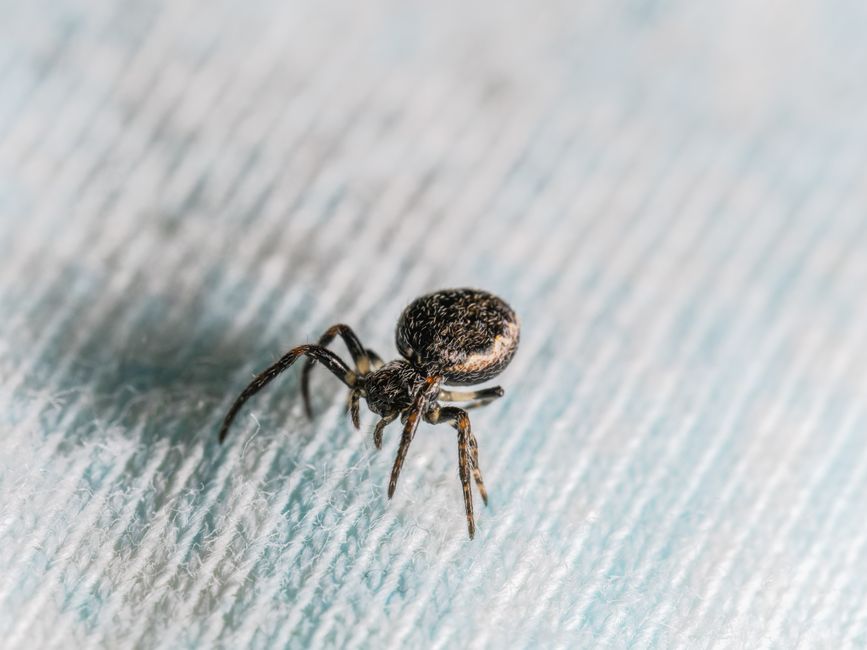
Spiders are a common sight in many homes, and while most species are harmless and even beneficial by preying on other insects, their presence can be unsettling for many. Whether you have a genuine fear of spiders or simply want to maintain a clean and pest-free living environment, keeping these eight-legged creatures at bay is a priority. Unlike many other pests that are more active in specific seasons, spiders can be found indoors year-round. This guide will provide you with a comprehensive set of strategies, from physical barriers and sanitation to natural repellents and professional solutions, to ensure your home remains a spider-free zone throughout the year.
Understanding Spider Behavior and Why They Enter Your Home
To effectively keep spiders out, it’s helpful to understand what draws them inside in the first place. Spiders are primarily motivated by two things: food and shelter.
1. The Search for Prey
Spiders are predators, and their presence in your home is often a sign that there are other insects for them to eat. If your home has a population of flies, ants, moths, or other small pests, spiders will naturally follow. Reducing the overall insect population in your home is one of the most effective ways to discourage spiders.
2. Seeking Shelter and Mates
While some spiders are perfectly happy living outdoors, others seek the stable temperatures and protected environments found inside homes. This is especially true during the fall when many species move indoors to find a warm place to overwinter and search for mates.
3. Accidental Entry
Sometimes, spiders simply wander into your home through open doors, windows, or small cracks in the foundation. They may also be brought inside on firewood, outdoor furniture, or in boxes that have been stored in garages or sheds.
Physical Barriers: The First Line of Defense
The most effective way to deal with spiders is to prevent them from entering your home in the first place. This involves creating a robust physical barrier around your property.
1. Seal Cracks and Gaps
Conduct a thorough inspection of your home’s exterior and seal any potential entry points.
- Caulk Windows and Doors: Use a high-quality caulk to seal gaps around window and door frames.
- Check the Foundation: Look for cracks in the foundation and seal them with appropriate masonry filler.
- Seal Utility Openings: Use caulk or expandable foam to close gaps where plumbing, electrical, and cable lines enter the house.
- Repair Screens: Ensure all window and door screens are free of holes and fit tightly in their frames.
- Install Door Sweeps: Add sweeps to the bottom of exterior doors to close the gap between the door and the threshold.
2. Manage Outdoor Lighting
Many insects are attracted to outdoor lights, and where there are insects, there will be spiders.
- Use Yellow or Sodium Vapor Bulbs: These are less attractive to insects than standard white or blue bulbs.
- Keep Lights Away from Entry Points: If possible, move outdoor lights away from doors and windows to discourage insects and spiders from congregating near entrances.
- Turn Off Lights When Not Needed: Reducing the amount of time outdoor lights are on will decrease the number of insects drawn to your home.
3. Maintain the Landscape
The area immediately surrounding your home can either act as a barrier or a bridge for spiders.
- Trim Vegetation: Keep bushes, shrubs, and tree branches trimmed at least two feet away from the house to prevent them from acting as “spider highways.”
- Remove Debris: Clear away fallen leaves, grass clippings, and other organic matter that can provide shelter for spiders near your home.
- Store Firewood Properly: Keep firewood piles at least 20 feet away from the house and elevated off the ground.
- Manage Mulch: Avoid using thick layers of organic mulch against the foundation, as it provides cover for many types of spiders.
Sanitation and Decluttering: Removing Hiding Spots
A clean and organized home offers fewer resources and hiding spots for spiders, making it much less attractive to them.
1. Reduce Clutter
Spiders love dark, undisturbed areas where they can hide and build webs.
- Organize Storage Areas: Keep basements, attics, and garages organized and free of unnecessary clutter.
- Use Plastic Bins: Store items in plastic bins with tight-fitting lids rather than cardboard boxes, which are more attractive to many pests.
- Clear Under-Furniture Areas: Regularly vacuum and clean under beds, sofas, and other large pieces of furniture.
- Manage Closets: Keep closets tidy and avoid stacking items on the floor.
2. Regular Cleaning and Vacuuming
Consistent cleaning is key to removing spiders, their webs, and their egg sacs.
- Vacuum Regularly: Pay special attention to corners, baseboards, and behind furniture. Use a vacuum with a hose attachment to reach high corners and ceilings.
- Dust Frequently: Removing dust and cobwebs as soon as they appear will discourage spiders from staying.
- Clean Up Food Scraps: While spiders don’t eat human food, the insects they prey on do. Keeping your kitchen and dining areas clean will reduce the overall insect population.
- Manage Trash: Use trash cans with tight-fitting lids and take the garbage out regularly.
Natural Repellents and DIY Solutions
If you prefer to avoid harsh chemicals, several natural substances can help repel spiders.
1. Essential Oils
Spiders are highly sensitive to certain scents and will often avoid areas where these smells are present.
- Peppermint Oil: This is one of the most effective natural spider repellents. Mix 10-15 drops of peppermint essential oil with water in a spray bottle and apply it around windows, doors, and other entry points.
- Tea Tree Oil: Similar to peppermint, tea tree oil has a strong scent that spiders dislike.
- Lavender and Citrus: These scents are also known to be unpleasant to spiders.
- Cinnamon: Sprinkling ground cinnamon or using cinnamon oil can also act as a deterrent.
2. Vinegar and Lemon Juice
The acidity and strong smell of vinegar and lemon juice can also repel spiders.
- Vinegar Spray: Mix equal parts white vinegar and water in a spray bottle and apply it to areas where spiders are likely to enter or hide.
- Lemon Peels: Rubbing lemon peels on windowsills and baseboards can also help keep spiders away.
3. Diatomaceous Earth
Food-grade diatomaceous earth is a natural powder that can be sprinkled in areas where spiders are active. It works by dehydrating the spiders upon contact.
- Application: Lightly dust the powder along baseboards, in corners, and behind appliances. Be sure to use food-grade DE and avoid inhaling the dust.
Common Mistakes Homeowners Make
Keeping spiders at bay requires a strategic approach, but many homeowners unknowingly make mistakes that can exacerbate the problem. Here are some common errors to avoid:
- Ignoring Outdoor Areas: Spiders often make their way indoors from outdoor environments. Failing to manage garden debris, woodpiles, and dense shrubbery can provide ideal habitats for spiders.
- Using Ineffective Repellents: Not all natural repellents are equally effective against all spider species. Over-relying on one type without understanding its limitations can lead to persistent spider issues.
- Overwatering Plants: Excessive moisture from overwatering can attract insects, which in turn attract spiders looking for food sources.
- Leaving Windows Open Without Screens: Open windows without screens provide easy access for spiders, especially during warmer months when they’re more active.
- Neglecting Regular Inspections: Without routine inspections of basements, attics, and garages, spider infestations can go unnoticed until they become severe.
Step-by-Step Prevention Checklist
Implementing a comprehensive prevention strategy can significantly reduce the likelihood of a spider infestation. Follow this step-by-step checklist to keep your home spider-free:
- Inspect and Seal Entry Points: Conduct a thorough inspection of your home’s exterior and interior, sealing any cracks, gaps, or openings with caulk or weatherstripping.
- Install Door Sweeps: Ensure all external doors have door sweeps to prevent spiders from entering through gaps beneath doors.
- Reduce Outdoor Clutter: Regularly clear away leaves, woodpiles, and other debris from the perimeter of your home.
- Maintain Yard and Garden: Trim bushes and shrubs to prevent them from touching the house, and keep grass short to reduce hiding places for spiders.
- Use Yellow Outdoor Lighting: Replace standard outdoor bulbs with yellow or sodium vapor lights, which are less attractive to insects and, consequently, spiders.
- Regular Cleaning Routine: Vacuum and dust regularly, focusing on corners, under furniture, and other potential hiding spots.
- Store Food Properly: Keep food in sealed containers to avoid attracting insects that spiders prey upon.
Seasonal Behavior Patterns
Understanding the seasonal behavior patterns of spiders can aid in more effective prevention and control strategies:
- Spring: As temperatures rise, spiders become more active in search of food and mates. This is an ideal time to reinforce barriers and increase indoor cleaning efforts.
- Summer: Spider activity peaks, with many species breeding and building webs. Outdoor maintenance is crucial during this period to prevent spiders from migrating indoors.
- Fall: Spiders begin seeking shelter from cooler temperatures, making it a critical time to inspect and seal entry points.
- Winter: Spider activity decreases, but indoor sightings may increase as they seek warmth. Continue regular cleaning and monitoring for signs of infestation.
Signs the Infestation is Getting Worse
Recognizing the signs of a worsening spider infestation can help you take timely action:
- Increased Webs: A noticeable increase in webs, especially in corners and less frequented areas, indicates a growing spider population.
- Egg Sacs: Finding egg sacs, which are small, silk-wrapped bundles, suggests that spiders are breeding and the population may soon increase.
- Frequent Sightings: Regularly spotting spiders during the day, particularly in living areas, can signify a severe infestation.
- Spider Droppings: Small, dark droppings resembling tiny ink splats can be found on walls and floors, indicating spider activity.
Safety Precautions
When dealing with spiders, especially venomous species, safety should be a top priority. Here are some precautions to consider:
- Protective Clothing: Wear gloves, long sleeves, and pants when cleaning areas where spiders may be present.
- Avoid Direct Contact: Use tools like brooms or vacuum wands to remove spiders and webs instead of handling them directly.
- Identify Dangerous Species: Learn to identify local venomous spiders, such as the black widow or brown recluse, to take appropriate action if encountered.
- Safe Disposal: When vacuuming spiders, immediately empty the vacuum contents into a sealed bag and dispose of it outside.
🛒 What to Buy: DIY Treatment Products
Professional-grade products — the same ones exterminators use, available without a license.
Professional cypermethrin powder — apply at entry points, baseboards, and garages to keep spiders out.
View Product →
Pro Tip: For best results, mix the powder with water according to the label instructions and apply it as a fine spray rather than a thick coating; this ensures better coverage and penetration into cracks where spiders hide.
Apply in corners, cracks, and voids where spiders hide — kills on contact, residual lasts for years.
View Product →
Pro Tip: For best results, ensure the dust is applied in a thin, even layer; too much can clump and reduce its effectiveness, preventing it from reaching the spiders hiding in tight spaces.
If the infestation is severe or beyond DIY control, see the professional option below.
When to Call the Professionals
While many spider problems can be managed with DIY methods, some situations require professional expertise.
- Persistent Infestations: If you’ve tried various methods and spiders keep coming back, a professional can identify the root cause and provide a more effective solution.
- Dangerous Spiders: If you suspect you have venomous spiders like Black Widows or Brown Recluses, it’s best to have a professional handle the situation to ensure your safety.
- Large-Scale Problems: If spiders have taken over a large area of your home, such as a basement or attic, a professional treatment is often the most efficient way to resolve it.
- Peace of Mind: For those with a severe fear of spiders, a regular professional maintenance plan can provide significant peace of mind.
By following this comprehensive guide and staying vigilant throughout the year, you can significantly reduce the number of spiders in your home. Remember, the key to a spider-free environment is a combination of exclusion, sanitation, and consistent prevention. A little effort each season goes a long way in protecting your home and ensuring your comfort.
Not ready to call? Get free competitive quotes.
Compare top-rated local pest control pros — it’s free.
Related Reading
🔍 Found a spider or scorpion? Get a free AI identification →
❓ Frequently Asked Questions
What are some effective ways to keep spiders out of my home year round?
To keep spiders out of your home year round, start by sealing cracks and gaps around windows, doors, and foundations. Regularly clean your home, especially in corners and under furniture, to remove webs and potential hiding spots. Additionally, consider using natural repellents like essential oils, such as peppermint or tea tree oil.
How can I prevent spiders from entering my home during the fall?
During the fall, spiders seek warmth and shelter, so it’s crucial to inspect your home for entry points. Ensure that windows and doors are tightly sealed, and use screens where necessary. Keeping outdoor lights off or using yellow bulbs can also reduce the attraction of insects, which in turn helps keep spiders away.
What should I do if I find a spider in my home?
If you find a spider in your home, the best approach is to gently capture it using a glass and a piece of paper, then release it outside. If you’re uncomfortable doing this, you can also vacuum the spider and dispose of the bag immediately. Regularly cleaning and decluttering your home can help prevent future encounters.
How to keep spiders out of your home year round with landscaping tips?
To keep spiders out of your home year round, focus on your landscaping by trimming back shrubs and plants that are close to your home. Remove debris like leaves and wood piles, as these can serve as hiding spots for spiders. Creating a barrier of gravel or mulch can also deter them from approaching your foundation.
Are there any natural methods to keep spiders out of my home year round?
Yes, there are several natural methods to keep spiders out of your home year round. Essential oils such as peppermint, lavender, and eucalyptus can be mixed with water and sprayed around entry points. Additionally, diatomaceous earth can be sprinkled in areas where spiders are likely to enter, as it can deter them without harmful chemicals.
Still not sure exactly what you’re dealing with?
Describe your pest or upload a photo — our free AI identifies it in seconds and gives you a full treatment plan.
Not Sure What Bug You Found?
Upload a photo to our free AI Pest Identifier. Get an instant ID, severity rating, and step-by-step treatment plan — no account required.
🔍 Identify My Pest Free →