
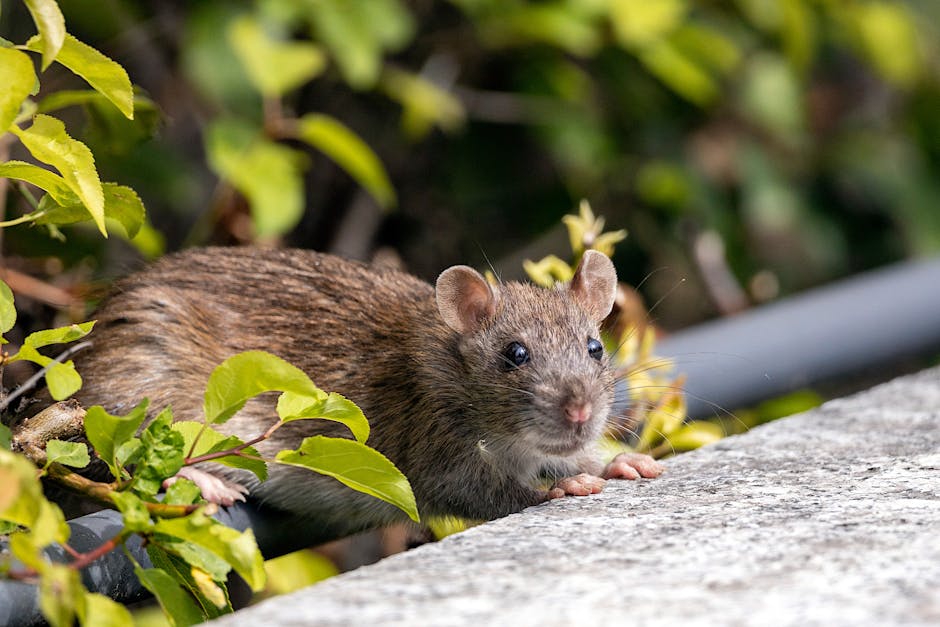
Rodents, including mice and rats, are persistent and adaptable pests that can infiltrate homes, businesses, and agricultural settings, causing a myriad of problems. Their ability to reproduce rapidly, coupled with their destructive gnawing habits and potential to spread diseases, makes effective rodent control a critical component of property management and public health. While the previous discussion covered the fundamentals of rodent behavior, risks, and integrated pest management (IPM) principles, this article delves deeper into advanced strategies, common challenges, and the importance of a multi-faceted approach to achieve lasting rodent-free environments. For those facing recurring issues or seeking to enhance their existing control measures, understanding these advanced tactics and maintaining a proactive stance is essential. This article explores sophisticated trapping techniques, advanced baiting strategies, environmental modifications, and the role of professional intervention in tackling stubborn rodent infestations, all aimed at securing long-term protection against these pervasive pests.
Advanced Trapping Techniques and Technologies
While traditional snap traps remain a cornerstone of rodent control, advancements in trapping technology and strategic placement can significantly enhance their effectiveness, particularly in challenging situations. Beyond simple placement, understanding rodent psychology and utilizing a variety of trap types can lead to more successful eradication.
- Strategic Placement and Quantity:
- High-Traffic Areas: Place traps directly in known rodent runways, along walls, behind appliances, and in secluded, dark areas where rodents feel safe.
- Increased Density: For mice, use a high density of traps (10-15 traps in a small area) to quickly reduce populations. Mice are curious and will investigate new objects.
- Rat Caution: Rats are more cautious (neophobic) and may avoid new objects. Place unset traps for a few days to allow them to become accustomed to their presence before setting them.
- Trap Placement: Place snap traps perpendicular to walls, with the trigger plate facing the wall, so rodents run directly over it.
- Baiting Strategies:
- Variety of Baits: Rodents can be picky. Experiment with different baits such as peanut butter, chocolate, soft cheese, bacon, or even nesting materials like cotton balls or dental floss.
- Pre-Baiting: For cautious rats, place unset traps with bait for several nights. Once they are comfortable feeding from the traps, set them.
- Secure Bait: Secure bait to the trap trigger with string or by pressing it firmly to ensure the rodent has to tug, increasing the likelihood of triggering the trap.
- Advanced Trap Types:
- Multi-Catch Traps: Designed to capture multiple mice without resetting. These are often live traps but can also be lethal. Ideal for monitoring or reducing large mouse populations.
- Electronic Traps: Deliver a high-voltage shock, killing rodents quickly and humanely. Often come with indicator lights for easy checking and are reusable.
- Remote Monitoring Traps: Some commercial traps are equipped with sensors that send alerts to a smartphone or computer when a rodent is caught, allowing for efficient monitoring in large or hard-to-reach areas.
- CO2 Traps: These traps use a CO2 cartridge to humanely dispatch rodents. They are self-resetting and can catch multiple rodents before needing attention.
- Safety Considerations:
- Placement: Always place traps in locations inaccessible to children, pets, and non-target wildlife.
- Disposal: Wear gloves when handling traps and disposing of captured rodents to prevent disease transmission.
Combining these advanced trapping techniques with a deep understanding of rodent behavior can significantly improve the success rate of mechanical control efforts.
Advanced Baiting and Rodenticide Application
When trapping alone is insufficient, or for large-scale infestations, rodenticides can be a necessary component of a comprehensive control program. However, their use requires careful consideration, strict adherence to safety protocols, and an understanding of different bait formulations and application methods to minimize risks to non-target organisms and the environment.
- Understanding Rodenticide Types:
- Anticoagulants: These are the most common type, causing internal bleeding. First-generation anticoagulants (FGARs) require multiple feedings, while second-generation anticoagulants (SGARs) are more potent and can be lethal after a single feeding. SGARs pose a higher risk of secondary poisoning to predators.
- Non-Anticoagulants: These work through different mechanisms, such as causing hypercalcemia (Cholecalciferol) or disrupting the nervous system (Bromethalin). They can be faster-acting but often have no antidote.
- Bait Formulations:
- Pellets: Common and easy to use, but can be scattered by rodents, increasing risk to non-targets.
- Blocks/Chunks: Weather-resistant and can be secured in bait stations, reducing scattering.
- Meal/Paste Baits: Highly palatable and often used for initial baiting to encourage feeding.
- Liquid Baits: Useful in dry environments where water is scarce, as rodents need water daily.
- Strategic Bait Placement:
- Tamper-Resistant Bait Stations: Absolutely essential for all rodenticide applications. These protect bait from children, pets, and non-target wildlife, and keep the bait dry.
- Placement: Place bait stations along rodent runways, near entry points, and in harborage areas. Do not place bait in areas where food is prepared or stored.
- Quantity: Use enough bait stations to ensure all rodents have access, especially for rats who may be wary of new objects.
- Monitoring: Regularly check bait stations and replenish as needed. Once feeding stops, remove the stations.
- Safety Protocols:
- Read Labels: Always read and strictly follow all instructions and warnings on the rodenticide label. The label is the law.
- Personal Protective Equipment (PPE): Wear gloves when handling rodenticides to prevent skin contact and transfer of human scent to the bait.
- Non-Target Risks: Be acutely aware of the risks of primary (direct consumption) and secondary (consumption of poisoned rodent) poisoning to pets, wildlife, and children. Choose the least toxic option suitable for the situation.
- Disposal: Dispose of dead rodents and unused bait according to local regulations.
Rodenticides should be used as part of an IPM program, complementing exclusion and sanitation, and often under the guidance of a licensed pest control professional.
Environmental Modifications and Habitat Management
Long-term rodent control is fundamentally about making the environment inhospitable to these pests. Environmental modifications and habitat management focus on eliminating the conditions that attract and sustain rodent populations, thereby reducing the need for continuous trapping or baiting. This proactive approach creates a sustainable barrier against re-infestation.
- Exclusion: Sealing Entry Points with Durable Materials:
- Foundation and Walls: Seal all cracks, holes, and gaps in foundations and exterior walls. Use materials like concrete, mortar, or heavy-gauge metal flashing.
- Utility Penetrations: Seal openings around pipes, wires, and utility lines entering the building with steel wool, copper mesh, or expanding foam (ensure it’s rodent-proof).
- Doors and Windows: Install tight-fitting door sweeps and weatherstripping. Ensure window screens are intact and secure. Consider metal kick plates on doors to prevent gnawing.
- Roof and Vents: Repair damaged roof shingles, seal gaps around chimneys, and install rodent-proof screens over vents and attic openings.
- Sanitation: Eliminating Food, Water, and Shelter:
- Food Storage: Store all human and pet food in thick plastic, metal, or glass containers with tight-fitting lids. Never leave food out overnight.
- Waste Management: Use heavy-duty trash cans with secure lids. Keep outdoor garbage bins away from the building and clean them regularly. Consider rodent-proof compost bins.
- Water Sources: Fix all leaky faucets, pipes, and drains. Remove standing water from buckets, bird baths, and clogged gutters. Ensure pet water bowls are not left out overnight.
- Clutter Reduction: Remove clutter from basements, attics, garages, and storage areas. Store items off the floor and away from walls to eliminate hiding spots.
- Vegetation Management: Trim trees, shrubs, and vines away from the building exterior to prevent rodents from climbing onto the roof or gaining access to upper levels. Keep grass mowed short.
- Woodpiles and Debris: Store firewood off the ground and at least 20 feet away from the house. Remove rock piles, old tires, and other debris that can serve as harborage.
- Landscaping for Deterrence:
- Gravel Barriers: Create a gravel barrier around the foundation of the house, as rodents dislike walking on sharp, loose surfaces.
- Plant Selection: Avoid planting dense ground covers or shrubs directly against the foundation, as these provide cover for rodents.
These environmental modifications, when consistently applied, create a formidable defense against rodent intrusion, making your property far less attractive and accessible to them.
The Role of Professional Pest Control in Rodent Management
While many homeowners and businesses can implement basic rodent control measures, there are situations where the expertise, resources, and advanced techniques of a professional pest control service become indispensable. Persistent infestations, large-scale problems, or concerns about safety and efficacy often warrant calling in the experts. Professional pest control offers a strategic advantage in tackling complex rodent challenges.
- Expertise and Experience:
- Accurate Identification: Professionals are trained to accurately identify rodent species, which is crucial for selecting the most effective control methods.
- Behavioral Knowledge: They understand rodent behavior, including their travel patterns, nesting habits, and preferred food sources, allowing for precise placement of traps and baits.
- Problem Solving: Professionals can identify subtle entry points and harborage areas that might be overlooked by an untrained eye.
- Comprehensive Inspection and Assessment:
- Thorough Survey: Professionals conduct detailed inspections of the entire property, both interior and exterior, to pinpoint the extent of the infestation and all contributing factors.
- Risk Assessment: They can assess the risks to occupants, pets, and the environment, and recommend the safest and most effective solutions.
- Access to Specialized Tools and Products:
- Commercial-Grade Rodenticides: Professionals have access to more potent and specialized rodenticides that are not available to the general public, and they know how to apply them safely and effectively.
- Advanced Trapping: They utilize a variety of commercial-grade traps, including multi-catch traps, remote monitoring traps, and specialized bait stations.
- Exclusion Materials: Professionals often use durable, rodent-proof materials for sealing entry points that are more effective than standard DIY options.
- Integrated Pest Management (IPM) Implementation:
- Holistic Approach: Professionals are skilled in implementing a full IPM program, combining exclusion, sanitation, trapping, and targeted chemical applications.
- Long-Term Solutions: They focus on long-term prevention rather than just temporary fixes, addressing the root causes of the infestation.
- Safety and Compliance:
- Safe Application: Professionals are trained in the safe handling and application of rodenticides, minimizing risks to non-target organisms.
- Regulatory Compliance: They are knowledgeable about local regulations and ensure all treatments comply with environmental and safety standards.
- Follow-Up and Monitoring:
- Scheduled Visits: Professional services often include scheduled follow-up visits to monitor activity, replenish baits, remove captured rodents, and make adjustments to the treatment plan.
- Preventative Maintenance: They can provide ongoing preventative services to maintain a rodent-free environment and address potential new threats.
- Peace of Mind:
- Guaranteed Results: Many professional services offer guarantees, providing peace of mind that the problem will be resolved.
- Time and Effort Savings: Hiring a professional saves time and effort, especially for large or persistent infestations.
While DIY efforts can be effective for minor rodent issues, engaging a professional pest control service is often the most reliable and efficient path to achieving and maintaining a truly rodent-free environment, particularly when dealing with established or recurring infestations.
Not Sure What Bug You Found?
Upload a photo to our free AI Pest Identifier. Get an instant ID, severity rating, and step-by-step treatment plan — no account required.
Related Reading
- Rodent Infestation Warning Signs Every Homeowner Should Know
- Comprehensive Strategies for Effective Pest Control
🔍 Hearing noises or finding droppings? Get a free AI identification →
❓ Frequently Asked Questions
What are some effective strategies for rodent control in my home?
Effective strategies for rodent control include sealing entry points, such as gaps around doors and windows, and using traps to catch any existing rodents. Additionally, maintaining a clean environment by storing food in airtight containers and removing clutter can significantly reduce the chances of an infestation.
How can I prevent rodents from entering my home?
To prevent rodents from entering your home, inspect your property for any holes or cracks and seal them with materials like steel wool or caulk. Keep outdoor areas tidy by trimming bushes and removing debris, and ensure that trash cans have tight-fitting lids.
What should I do if I see signs of a rodent infestation?
If you notice signs of a rodent infestation, such as droppings or gnaw marks, act quickly by setting traps and cleaning the affected areas thoroughly. It’s also important to identify and seal any entry points to prevent further access.
Are there natural methods for rodent control?
Yes, there are several natural methods for rodent control, including using peppermint oil as a deterrent and placing traps in strategic locations. Additionally, maintaining a clutter-free environment and removing food sources can help keep rodents at bay.
How often should I check for rodent activity in my home?
It’s a good idea to check for rodent activity at least once a month, especially in areas like basements, attics, and garages. Regular inspections can help you catch any signs of rodents early and implement effective strategies for rodent control before an infestation occurs.
Not ready to call? Get free competitive quotes.
🛒 What to Buy: DIY Treatment Products
Professional-grade products — the same ones exterminators use, available without a license.
Professional-grade bromadiolone bait — a single feeding delivers a lethal dose for rats and mice.
View Product →
Tamper-resistant bait station — keeps children and pets safe while targeting rodents.
View Product →
If the infestation is severe or beyond DIY control, see the professional option below.
Compare top-rated local pest control pros — it’s free.
Not Sure What Bug You Found?
Upload a photo to our free AI Pest Identifier. Get an instant ID, severity rating, and step-by-step treatment plan — no account required.
🔍 Identify My Pest Free →