
Are Argentine Ants Invading Your Home?
If you’ve spotted tiny, dark ants marching through your kitchen like they own the place, you’re not alone. Argentine ants are quite the nuisance. They seem to materialize out of thin air and can be a headache to deal with. Knowing how to manage them is key.
What You’re Actually Dealing With
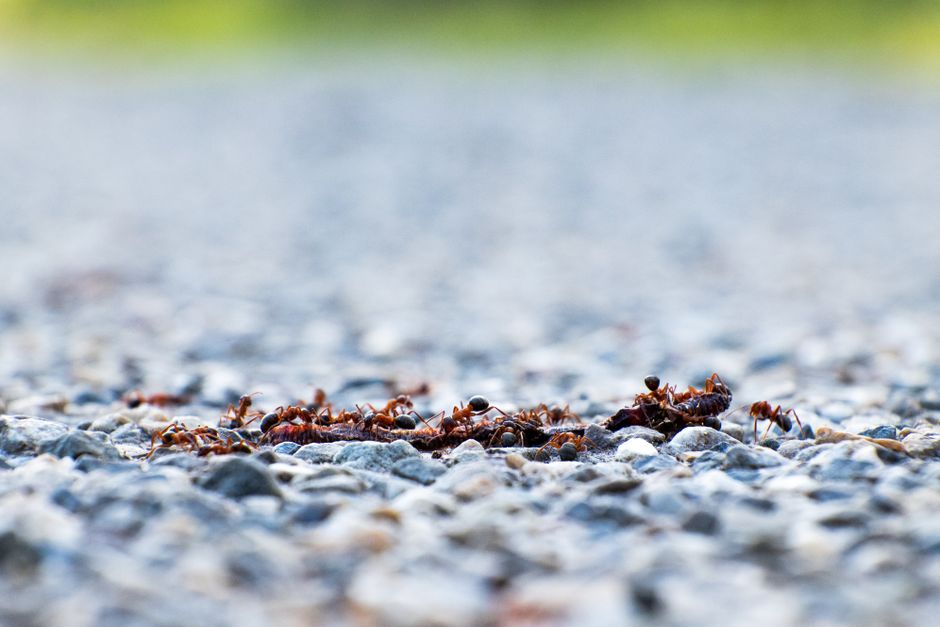
Argentine ants are small, about 1/8 inch long, and range from light to dark brown. They thrive in warm climates and love forming large colonies. They’re drawn to sugary foods and will invade homes hunting for a snack. These ants are social creatures, working in massive numbers, making them especially tough to control.
Signs You Have Argentine Ants
Spotting an Argentine ant infestation is your first step to gaining control. Here’s what to look for:
- Visible Trails: Long lines of ants heading to and from a food source.
- Ant Nests: Check for nests in soil, under rocks, or near foundations. They like shallow nests.
- Food Contamination: Notice breached food packages or ants making themselves at home in your pantry.
- Frequent Sightings: Regular ant appearances, especially in the kitchen or near sweets, signal an infestation.
- Dead Ants: Finding dead ants often hints at a bigger problem nearby.
How to Achieve Argentine Ant Control
Getting Argentine ants under control takes a mixed approach. Here’s what to do:
- Step one — Identify the Source: Follow their trail to find where they’re sneaking in.
- Step two — Clean Up: Clear out food sources by cleaning countertops, floors, and storage areas. Keep food in airtight containers.
- Step three — Seal Entry Points: Use caulk to plug cracks and gaps around windows, doors, and foundations.
- Step four — Use Bait: Place ant bait stations along their trails. The ants will carry it back to the colony, which helps take out the nest.
- Step five — Monitor: Keep tabs on the situation. If ants persist, you might need to tweak your strategy or switch baits.
How to Keep Argentine Ants From Coming Back
Stopping future infestations is crucial. Try these habits:
- Regularly clean surfaces to clear food particles.
- Keep trash in sealed containers and take it out often.
- Trim plants and clear debris in your yard to reduce nesting spots.
- Routinely check for and seal cracks and gaps.
- Consider sprinkling diatomaceous earth around entry points as a natural barrier.
When to Call a Professional
If your DIY efforts aren’t cutting it, it might be time to bring in the pros. Here’s when to consider getting help:
- You still see large numbers of ants despite your best efforts.
- The infestation seems to be getting worse, not better.
- You’re unsure of where the ants are coming from or how to tackle them effectively.
Need professional pest control?
Get connected with a licensed exterminator in your area — fast response, residential service.
Use Our Free Pest Identifier
Not sure exactly what you’re dealing with? Our free AI pest identifier at id.allpestandtermite.com can help you confirm your pest and get a full treatment plan in minutes.
❓ Frequently Asked Questions
What are Argentine ants and why are they a problem?
Argentine ants are small, light to dark brown ants that form large colonies and can invade homes in search of food. They are a problem because they can quickly multiply and create extensive nests, making them difficult to control without proper methods.
How can I identify an Argentine ant infestation in my home?
Look for small trails of ants, especially near food sources, and check for nests in damp areas or near foundations. If you notice a large number of ants consistently appearing, it’s likely you have an Argentine ant infestation.
What are effective methods for Argentine ant control?
To control Argentine ants, start by keeping your home clean and sealing any entry points. You can also use bait stations that contain slow-acting insecticides, which the ants will carry back to their colony, effectively reducing their population.
Why are Argentine ants so hard to kill?
Argentine ants are hard to kill because they form supercolonies, meaning they can quickly replace lost members. Additionally, they communicate and work together to find food and defend their nests, making traditional pest control methods less effective.
When should I consider calling a professional for Argentine ant control?
If your DIY efforts are not working and the infestation continues to grow, it may be time to call a professional. They have access to more effective treatments and can provide a comprehensive plan for Argentine ant control.
Not ready to call? Get free competitive quotes.
Compare top-rated local pest control pros — it’s free.
Not Sure What Bug You Found?
Upload a photo to our free AI Pest Identifier. Get an instant ID, severity rating, and step-by-step treatment plan — no account required.
🔍 Identify My Pest Free →