
Short on time? Find out what pest you have right now — free.
Use our free AI Pest ID tool, then come back to read the full treatment guide.
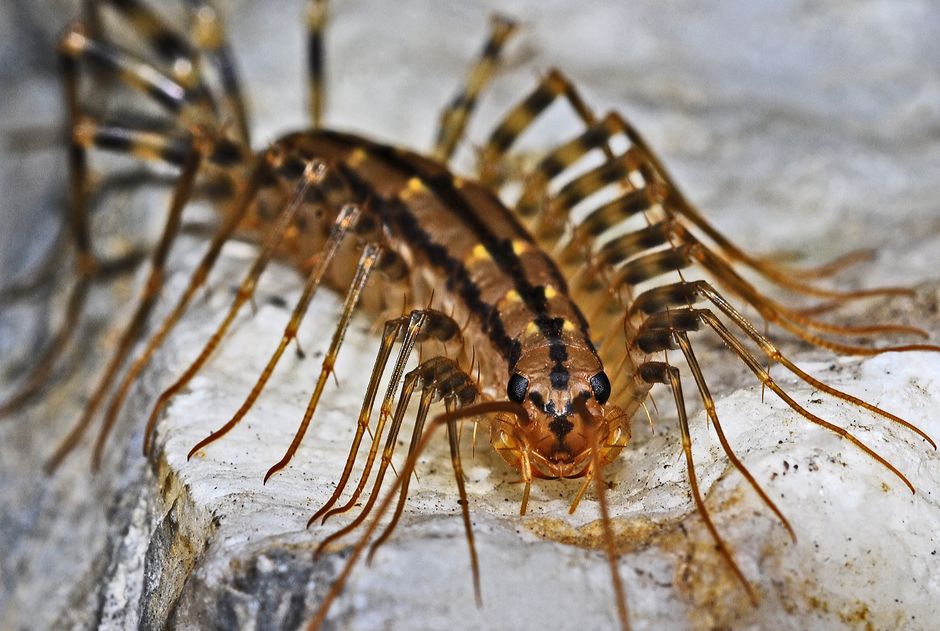
Centipedes and millipedes, often mistaken for insects, are arthropods that can occasionally become unwelcome visitors in homes and businesses. While generally harmless to humans, their presence can be unsettling, and a large influx often indicates underlying moisture issues or an abundance of other small invertebrates they prey upon. These multi-legged creatures typically prefer damp, dark environments and are usually found outdoors, but changes in weather or habitat can drive them indoors in search of more favorable conditions. Effective management of centipedes and millipedes involves understanding their natural habitats, implementing preventative measures to deter their entry, and utilizing targeted control methods when necessary. This article delves into the characteristics of centipedes and millipedes, outlines strategies for preventing their intrusion, discusses various control options, and emphasizes the importance of environmental modifications to create an inhospitable environment for these creatures.
Understanding Centipedes and Millipedes: Biology and Behavior
To effectively manage centipedes and millipedes, it is crucial to understand their basic biology, preferred habitats, and typical behaviors. Though often grouped together due to their multi-legged appearance, they are distinct creatures with different diets and habits.
- Centipedes (Class Chilopoda):
- Appearance: Elongated, flattened bodies with one pair of legs per body segment. Legs are typically long and extend out from the body. Color varies but often brownish-yellow.
- Speed: Fast-moving, agile predators.
- Diet: Carnivorous. They feed on insects, spiders, and other small invertebrates. The house centipede (Scutigera coleoptrata) is a common indoor species, known for its many long legs and rapid movement.
- Habitat: Prefer damp, dark, and secluded areas. Outdoors, they are found under rocks, logs, leaf litter, and in soil. Indoors, they seek out basements, crawl spaces, bathrooms, and other moist areas.
- Venom: Possess venomous fangs (forcipules) behind their head, used to paralyze prey. While a bite can be painful to humans, similar to a bee sting, it is rarely dangerous and usually only occurs if handled.
- Reproduction: Lay eggs in moist soil or decaying wood.
- Millipedes (Class Diplopoda):
- Appearance: Elongated, cylindrical or slightly flattened bodies with two pairs of legs per body segment (appearing as if they have many more legs than centipedes). Legs are short and tucked beneath the body. Color is often dark brown or black.
- Speed: Slow-moving, often curl into a tight coil when disturbed.
- Diet: Detritivores. They feed on decaying organic matter, such as dead leaves, wood, and plant debris. They are beneficial decomposers in the ecosystem.
- Habitat: Also prefer damp, dark environments. Outdoors, they are abundant in leaf litter, compost piles, under mulch, and in moist soil. Indoors, they are often found in basements, garages, and ground-level rooms, especially after heavy rains or during dry spells when they seek moisture.
- Defense Mechanism: Do not bite. When threatened, they typically curl up and may emit a foul-smelling liquid containing hydrogen cyanide, which can irritate skin and eyes.
- Reproduction: Lay eggs in moist soil.
- Why They Enter Homes:
- Moisture Seeking: Both centipedes and millipedes are highly dependent on moisture. They often enter homes during periods of drought (seeking moisture) or heavy rainfall (fleeing saturated soil).
- Prey Following: Centipedes may enter homes in pursuit of their insect prey.
- Shelter: They seek shelter in dark, protected areas.
Understanding these distinctions helps in identifying the specific pest and implementing appropriate control measures, particularly focusing on managing moisture and eliminating food sources.
Prevention Strategies: Making Your Home Less Inviting
The most effective approach to managing centipedes and millipedes is prevention. By modifying the environment around and within your home, you can significantly reduce their appeal and block their entry points. These strategies focus on moisture control, exclusion, and reducing harborage sites.
- Moisture Control:
- Fix Leaks: Promptly repair any leaky faucets, pipes, roofs, or foundations. Even small leaks can create the damp conditions these arthropods seek.
- Improve Drainage: Ensure proper drainage around the foundation of your home. Grade the soil away from the house to prevent water accumulation. Clean gutters regularly to prevent overflow.
- Reduce Humidity: Use dehumidifiers in damp areas like basements, crawl spaces, and laundry rooms. Ensure good ventilation in bathrooms and kitchens.
- Ventilate Crawl Spaces: If you have a crawl space, ensure it is properly ventilated to reduce moisture buildup.
- Exclusion (Sealing Entry Points):
- Seal Cracks and Gaps: Inspect and seal all cracks, crevices, and gaps in foundations, exterior walls, and around windows and doors. Use caulk, mortar, or weatherstripping.
- Seal Around Utility Lines: Pay close attention to openings around pipes, wires, and utility lines entering the home.
- Install Door Sweeps: Ensure exterior doors have tight-fitting door sweeps to eliminate gaps at the bottom.
- Repair Screens: Fix any torn window or door screens.
- Reduce Outdoor Harborage:
- Clear Debris: Remove leaf litter, grass clippings, woodpiles, rocks, and other organic debris from around the foundation of your home. These provide ideal hiding and breeding spots.
- Manage Mulch: If using mulch, keep it at least 6-12 inches away from the foundation. Excessive mulch can retain moisture and provide harborage.
- Trim Vegetation: Keep trees, shrubs, and other vegetation trimmed away from the exterior of the house. This reduces shaded, damp areas and potential pathways for entry.
- Store Firewood: Store firewood off the ground and away from the house.
- Indoor Cleanliness:
- Remove Clutter: Reduce clutter in basements, garages, and storage areas to eliminate hiding spots.
- Vacuum Regularly: Regular vacuuming can remove small insects and their eggs, reducing food sources for centipedes.
By consistently implementing these preventative measures, you can make your home a much less attractive and accessible environment for centipedes and millipedes.
Control Methods for Existing Infestations
When prevention measures are not enough, or an infestation has already occurred, various control methods can be employed to eliminate centipedes and millipedes. The approach often involves a combination of physical removal, environmental adjustments, and targeted treatments, always prioritizing the least toxic options first.
- Physical Removal:
- Vacuuming: For individual centipedes or millipedes found indoors, a vacuum cleaner is an effective and non-toxic way to remove them. Dispose of the vacuum bag immediately afterward.
- Broom and Dustpan: Simply sweep them up and release them outdoors (away from the house) or dispose of them.
- Sticky Traps: Place sticky traps in damp, dark areas where you have seen activity (e.g., basements, under sinks). These can capture crawling pests and also help monitor the extent of the problem.
- Environmental Adjustments (Reinforcing Prevention):
- Dehumidification: Continue to use dehumidifiers in damp areas to dry out the environment, making it less appealing to these moisture-loving creatures.
- Improve Ventilation: Ensure good airflow in basements and crawl spaces.
- Eliminate Food Sources (for Centipedes): Since centipedes feed on other insects, reducing the population of their prey (e.g., spiders, silverfish, cockroaches) through general pest control efforts will naturally reduce centipede numbers.
- Remove Decaying Organic Matter (for Millipedes): Ensure there is no decaying wood, leaf litter, or excessive mulch directly against the foundation, as these are food sources for millipedes.
- Insecticides (Targeted Application):
- Perimeter Treatment: Apply a residual insecticide around the exterior foundation of your home, creating a barrier that centipedes and millipedes must cross to enter. This can be particularly effective during periods when they are seeking shelter indoors.
- Crack and Crevice Treatment: For indoor infestations, apply insecticides directly into cracks, crevices, and other hiding spots where these pests are found. Avoid broad spraying.
- Dusts: Insecticidal dusts can be applied to wall voids, attics, and crawl spaces where these pests may hide. These provide long-lasting control in secluded areas.
- Baits: While not as common for centipedes and millipedes as for other pests, some granular baits designed for crawling insects may be effective for millipedes, as they feed on decaying organic matter.
- Professional Pest Control:
- Persistent Problems: If you have a persistent or large-scale infestation, or if you are uncomfortable handling pesticides, consider hiring a licensed pest control professional. They have access to specialized products and expertise to identify and treat the source of the problem.
Always read and follow product labels carefully when using any insecticide, paying attention to safety precautions and application instructions. Focus on targeted treatments rather than widespread spraying.
Long-Term Environmental Management for Sustainable Control
Achieving sustainable, long-term control of centipedes and millipedes relies heavily on continuous environmental management. These arthropods are highly sensitive to their surroundings, particularly moisture levels and the availability of harborage and food. By consistently maintaining an environment that is inhospitable to them, you can prevent future infestations and reduce the need for chemical interventions. This proactive approach integrates ongoing vigilance with structural and landscape modifications.
- Continuous Moisture Management:
- Regular Checks for Leaks: Periodically inspect plumbing, roofs, and foundations for any new leaks or moisture issues. Address them immediately.
- Dehumidifier Maintenance: Ensure dehumidifiers are running effectively in damp areas and that their collection reservoirs are emptied regularly.
- Proper Ventilation: Maintain good ventilation in basements, crawl spaces, and bathrooms to prevent humidity buildup.
- Exterior Drainage: Regularly check that gutters are clean and downspouts direct water away from the foundation. Ensure landscape grading continues to promote water runoff away from the house.
- Ongoing Exclusion Efforts:
- Seasonal Inspections: Conduct seasonal inspections of your home’s exterior for any new cracks, gaps, or openings that could serve as entry points. Seal them promptly.
- Maintain Door and Window Seals: Check weatherstripping and door sweeps for wear and tear, replacing them as needed.
- Screen Integrity: Ensure all window and door screens remain intact and free of holes.
- Consistent Reduction of Outdoor Harborage:
- Regular Yard Cleanup: Continuously remove leaf litter, grass clippings, fallen branches, and other organic debris from around the foundation and in garden beds.
- Mulch Management: If using mulch, maintain a consistent barrier of 6-12 inches between the mulch and the foundation. Avoid excessive layers of mulch.
- Trim Vegetation: Keep shrubs, bushes, and trees trimmed away from the house, preventing them from touching the exterior walls or roof. This reduces shaded, damp areas and potential pathways.
- Firewood Storage: Ensure firewood is always stored off the ground and a good distance from the house.
- Integrated Pest Management (IPM) for Prey (for Centipedes):
- General Pest Control: Since centipedes feed on other insects, maintaining a general pest control program for common household insects (e.g., spiders, silverfish, cockroaches) will naturally reduce the food supply for centipedes, making your home less attractive to them.
- Sticky Traps: Continue to use sticky traps in discreet areas to monitor for general insect activity, which can indicate potential food sources for centipedes.
- Indoor Cleanliness and Organization:
- Declutter Regularly: Periodically declutter basements, garages, and storage areas to eliminate hiding spots for centipedes and millipedes.
- Vacuuming: Regular vacuuming helps remove small insects, their eggs, and general debris, contributing to a less hospitable indoor environment.
- Professional Consultation:
- Persistent Issues: If centipedes or millipedes continue to be a problem despite consistent efforts, consider consulting a licensed pest control professional for a thorough inspection and tailored long-term management plan.
By diligently implementing these long-term environmental management strategies, you can create a robust defense against centipedes and millipedes, ensuring a more comfortable and pest-free living space for years to come.
Not ready to call? Get free competitive quotes.
Compare top-rated local pest control pros — it’s free.
Related Reading
❓ Frequently Asked Questions
What are the signs of a centipede or millipede infestation in my home?
Signs of a centipede or millipede infestation include finding these pests in damp areas like basements, bathrooms, or under sinks. You may also notice their shed exoskeletons or droppings, which can appear as small dark pellets.
How can I prevent centipedes and millipedes from entering my home?
To prevent centipedes and millipedes from entering your home, seal cracks and gaps around windows and doors. Additionally, reduce moisture in your home by fixing leaks and using dehumidifiers, as these pests thrive in damp environments.
What should I do if I find centipedes or millipedes in my home?
If you find centipedes or millipedes in your home, you can remove them using a vacuum cleaner or a jar. Make sure to dispose of them outside to prevent their return, and take steps to manage centipedes and millipedes in and around your home to avoid future encounters.
Are centipedes and millipedes harmful to my family or pets?
Centipedes can bite and may cause mild pain or irritation, while millipedes are generally harmless but can secrete a fluid that may irritate skin. It’s best to keep both pests away from living areas to ensure the safety and comfort of your family and pets.
What environmental conditions attract centipedes and millipedes?
Centipedes and millipedes are attracted to moist, dark environments. To manage centipedes and millipedes in and around your home, ensure proper ventilation, reduce humidity, and keep your yard free of debris and mulch where these pests can thrive.
Still not sure exactly what you’re dealing with?
Describe your pest or upload a photo — our free AI identifies it in seconds and gives you a full treatment plan.
Not Sure What Bug You Found?
Upload a photo to our free AI Pest Identifier. Get an instant ID, severity rating, and step-by-step treatment plan — no account required.
🔍 Identify My Pest Free →