
Short on time? Find out what pest you have right now — free.
Use our free AI Pest ID tool, then come back to read the full treatment guide.
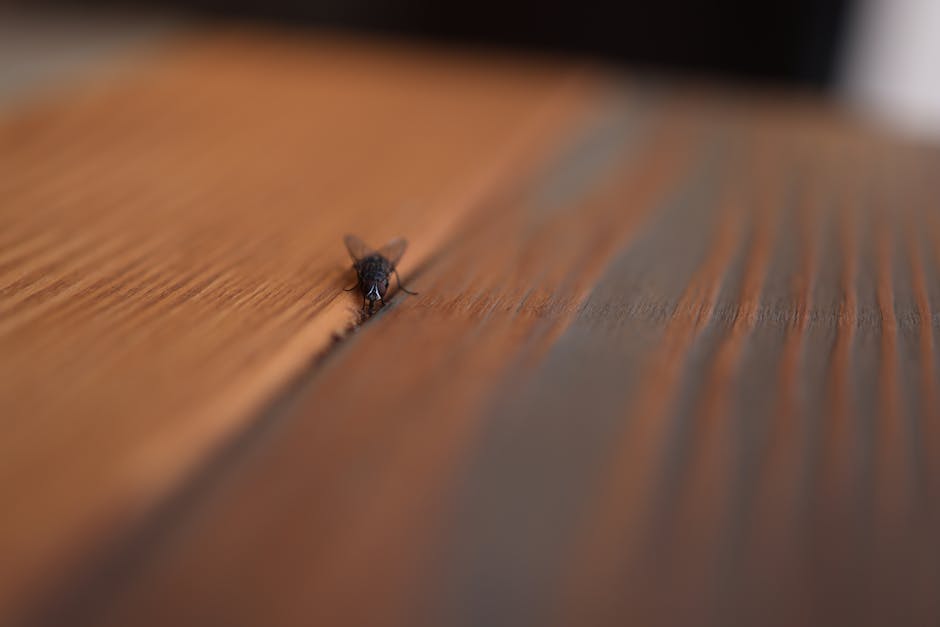
Our homes are meant to be sanctuaries, places of comfort and safety. However, these very spaces often become attractive havens for a variety of unwelcome guests: common household pests. From the smallest ant to the most elusive rodent, these invaders can disrupt our peace of mind, contaminate food, damage property, and even pose health risks. Understanding who these pests are, why they enter our homes, and, most importantly, how to effectively eliminate them is a crucial aspect of maintaining a healthy and hygienic living environment.
For the bathroom specifically — the small dark ones near the drain or along the tub — see tiny black bugs in the bathroom.
This article will serve as a comprehensive guide to identifying and eradicating some of the most prevalent household pests. We will delve into the characteristics of each pest, the signs of their presence, and practical, actionable strategies for both prevention and elimination. The goal is to empower homeowners with the knowledge and tools necessary to tackle these common nuisances, ensuring their homes remain pest-free and comfortable for all human inhabitants.
Understanding Why Pests Invade Our Homes
Pests do not invade our homes out of malice; they are simply seeking the fundamental necessities for survival: food, water, and shelter. Our residences, with their readily available resources and protective structures, often present an irresistible appeal. A leaky pipe provides a water source, crumbs on the floor offer sustenance, and cracks in the foundation create perfect entry points and harborage. Understanding these basic motivations is the first step in developing effective pest control strategies.
Environmental factors also play a significant role. Seasonal changes, such as extreme heat, cold, or heavy rains, can drive pests indoors in search of more favorable conditions. Furthermore, poor sanitation practices, cluttered spaces, and structural vulnerabilities can inadvertently roll out the welcome mat for these unwanted visitors. By recognizing and addressing these underlying attractants, homeowners can proactively reduce the likelihood of an infestation, making their homes less appealing to pests in the first place.
Primary Reasons Pests Enter Homes
Pests are driven by basic survival instincts, and our homes often provide exactly what they need.
- Search for Food: Leftover food, crumbs, unsealed pantry items, and pet food are common attractants.
- Quest for Water: Leaky pipes, condensation, standing water, and high humidity provide essential moisture.
- Seeking Shelter: Cracks, crevices, wall voids, and cluttered areas offer protection from predators and harsh weather.
- Temperature Regulation: Pests move indoors to escape extreme heat, cold, or excessive moisture outdoors.
- Breeding Grounds: Warm, secluded areas can become ideal spots for pests to reproduce and establish colonies.
- Accidental Entry: Pests can inadvertently enter through open doors, windows, or hitchhike on packages and clothing.
Common Household Pests and Their Elimination Strategies
Each type of household pest presents its own unique challenges and requires specific approaches for effective elimination. While general cleanliness is always beneficial, targeted strategies are often necessary to address particular infestations. Here, we will outline some of the most common pests and provide practical advice on how to get rid of them.
It is important to remember that persistence is key. Many pests have rapid reproductive cycles, and a single treatment may not be sufficient to eradicate an entire population. Combining sanitation, exclusion, and appropriate treatment methods will yield the best results. For severe or persistent infestations, professional pest control services may be necessary.
Ants
Ants are one of the most common household invaders, often seen marching in trails across countertops and floors in search of food and water. They are attracted to sweet and greasy substances.
- Identification: Small, segmented insects, typically black or brown, moving in organized lines.
- Signs of Infestation: Visible trails of ants, ant nests in gardens or near foundations, food contamination.
- Elimination Strategies:
- Sanitation: Keep food sealed, clean up crumbs and spills immediately, and empty trash regularly.
- Exclusion: Seal cracks and crevices in foundations, around windows, and utility entry points.
- Baits: Use ant baits containing slow-acting insecticides. Worker ants carry the bait back to the colony, eliminating the queen and other ants.
- Direct Treatment: For visible trails, a mixture of vinegar and water or commercial ant sprays can provide temporary relief, but baits are more effective for colony elimination.
Cockroaches
Cockroaches are resilient, nocturnal pests known for spreading bacteria and triggering allergies and asthma. They prefer dark, moist environments and can multiply rapidly.
- Identification: Flat, oval-shaped bodies, typically brown or black. German cockroaches are smaller and lighter brown; American cockroaches are larger and reddish-brown.
- Signs of Infestation: Fecal droppings (resembling coffee grounds or black pepper), shed skins, egg casings, a distinct musty odor, and visible cockroaches, especially at night.
- Elimination Strategies:
- Sanitation: Thoroughly clean kitchens and bathrooms, eliminate food sources, and fix leaky pipes.
- Exclusion: Seal cracks and openings in walls, floors, and around pipes.
- Baits and Gels: Cockroach baits and gel insecticides are highly effective. Place them in cracks, crevices, and areas where cockroaches hide.
- Traps: Sticky traps can help monitor populations and catch some individuals.
- Professional Help: Due to their resilience and rapid reproduction, professional pest control is often recommended for cockroach infestations.
Spiders
While most spiders are harmless and even beneficial (eating other pests), their presence can be unsettling. Some, like black widows and brown recluse spiders, are venomous.
- Identification: Eight-legged arachnids, varying greatly in size and color. Web patterns can also help identify species.
- Signs of Infestation: Visible webs, spiderlings, and direct sightings of spiders.
- Elimination Strategies:
- Cleanliness: Regularly vacuum and dust, especially in corners, under furniture, and in secluded areas where spiders build webs.
- Exclusion: Seal cracks in foundations, around windows and doors, and ensure screens are intact.
- Reduce Other Pests: Since spiders feed on other insects, reducing other pest populations will naturally reduce spider numbers.
- Remove Clutter: Declutter basements, attics, and garages to eliminate hiding spots.
- Outdoor Management: Remove debris, firewood, and dense vegetation near the house.
Rodents (Mice and Rats)
Rodents are destructive pests that can contaminate food, spread diseases, and cause structural damage by gnawing on wires, wood, and insulation.
- Identification: Small, furry mammals with prominent incisors. Mice are smaller with pointed snouts; rats are larger with blunt snouts.
- Signs of Infestation: Fecal droppings, gnaw marks on food packaging or structures, scratching noises in walls or attics, urine odors, and visible sightings.
- Elimination Strategies:
- Sanitation: Store food in airtight containers, clean up spills, and keep trash cans tightly sealed.
- Exclusion: Seal all entry points larger than a quarter-inch (for mice) or half-inch (for rats) in foundations, walls, and around utility lines.
- Traps: Use snap traps or live traps. Place them along walls and in areas of suspected activity.
- Bait Stations: For severe infestations, tamper-resistant bait stations can be used, but caution is advised, especially with pets and children.
- Professional Help: Rodent infestations can be challenging to control and often require professional intervention.
Bed Bugs
Bed bugs are notoriously difficult to eliminate. They feed on human blood, causing itchy bites, and are experts at hiding in cracks and crevices.
- Identification: Small, flat, reddish-brown insects, about the size of an apple seed. Swollen and red after feeding.
- Signs of Infestation: Itchy red bites, often in a line or cluster; small blood stains on sheets; dark fecal spots on mattresses or bedding; shed skins; and a sweet, musty odor in severe cases.
- Elimination Strategies:
- Thorough Cleaning: Vacuum mattresses, box springs, carpets, and furniture regularly. Wash bedding in hot water and dry on high heat.
- Heat Treatment: Professional heat treatments are highly effective, raising room temperatures to lethal levels for bed bugs.
- Steam Cleaning: Use a steam cleaner on mattresses, furniture, and carpets.
- Encasements: Encase mattresses and box springs in bed bug-proof covers.
- Professional Extermination: Bed bug infestations almost always require professional pest control due to their elusive nature and resistance to many DIY methods.
Preventative Measures for a Pest-Free Home
Prevention is always better than cure, especially when it comes to household pests. By implementing a few consistent preventative measures, homeowners can significantly reduce the likelihood of an infestation. These strategies focus on making your home less attractive and accessible to pests, thereby creating a natural barrier against their entry.
These measures are often simple, cost-effective, and can be integrated into your regular home maintenance routine. They require consistency and attention to detail, but the effort is well worth the reward of a pest-free environment. A proactive approach not only saves you the stress and expense of dealing with an active infestation but also contributes to a healthier and more comfortable living space for your family.
Key Preventative Strategies
Adopting these habits and making these home improvements can drastically reduce your risk of pest problems.
- Maintain Cleanliness:
- Wipe down counters and tables daily.
- Sweep or vacuum floors regularly to remove crumbs and food debris.
- Wash dishes immediately after use.
- Empty trash cans frequently and use bins with tight-fitting lids.
- Store food in airtight containers, including pet food.
- Eliminate Moisture Sources:
- Fix leaky pipes, faucets, and drains promptly.
- Ensure proper ventilation in bathrooms, kitchens, and basements to reduce humidity.
- Address any standing water issues around the exterior of your home.
- Seal Entry Points:
- Inspect your home for cracks and crevices in foundations, walls, and around utility lines.
- Seal these openings with caulk, steel wool, or mesh.
- Repair or replace damaged window and door screens.
- Install door sweeps on exterior doors.
- Reduce Clutter:
- Declutter basements, attics, garages, and storage areas. Pests love to hide in undisturbed piles of boxes, papers, and old clothing.
- Store items in sealed plastic containers rather than cardboard boxes.
- Manage Landscaping:
- Trim shrubs and trees away from your home, preventing pests from using branches as bridges.
- Keep grass mowed and remove leaf litter and debris from around the foundation.
- Store firewood at least 20 feet away from the house and off the ground.
- Regular Inspections:
- Periodically inspect your home, especially less-frequented areas like basements, attics, and crawl spaces, for early signs of pest activity.
- Check under sinks and behind appliances.
When to Call a Professional Pest Control Service
While many common pest problems can be managed with diligent DIY efforts, there are instances when professional intervention becomes necessary, or even advisable. Recognizing these situations can save homeowners time, money, and frustration, ensuring the problem is handled effectively and safely. Professional pest control services bring specialized knowledge, equipment, and treatments that are often beyond the scope of a typical homeowner.
It is important to view professional pest control not as a failure of your own efforts, but as a strategic decision to protect your home and family. Experts can accurately identify pests, assess the extent of an infestation, and implement targeted solutions that are both effective and environmentally responsible. They also offer preventative measures and ongoing monitoring to ensure long-term protection, providing invaluable peace of mind. Do not hesitate to seek professional help when faced with challenging pest situations.
Signs It’s Time to Call a Professional
Certain situations indicate that a pest problem has grown beyond the scope of DIY solutions and requires expert attention.
- Persistent Infestations: If you have tried DIY methods and the pests keep returning or their numbers do not decrease.
- Large or Widespread Infestations: When pests are present in multiple areas of your home or their numbers are overwhelming.
- Destructive Pests: Pests like termites, carpenter ants, or rodents that can cause significant structural damage to your home.
- Health-Threatening Pests: Pests that carry diseases (e.g., cockroaches, rodents) or cause allergic reactions (e.g., bed bugs, some spiders).
- Difficult-to-Identify Pests: If you are unsure what type of pest you are dealing with, a professional can accurately identify it and recommend the correct treatment.
- Hidden Pests: Pests that hide in inaccessible areas like wall voids, attics, or crawl spaces, making them difficult to reach and treat effectively.
- Pesticide Safety Concerns: If you are uncomfortable using pesticides or are concerned about their safe application around children or pets.
- Time Constraints: If you lack the time or expertise to effectively manage a pest problem yourself.
- Peace of Mind: Sometimes, the assurance that a professional has thoroughly addressed the issue is worth the investment.
Conclusion
Common household pests are an inevitable part of homeownership, but they do not have to be a permanent fixture. By understanding why these pests invade our homes and implementing a combination of diligent preventative measures and targeted elimination strategies, homeowners can maintain a healthy and pest-free living environment. From meticulous sanitation and effective exclusion to the strategic use of baits and traps, a proactive approach is key. While many minor pest issues can be managed with DIY efforts, recognizing when to call a professional pest control service is crucial for severe, persistent, or destructive infestations. By empowering yourself with knowledge and taking consistent action, you can safeguard your home, protect your family’s health, and ensure your sanctuary remains free from unwanted intruders.
Not ready to call? Get free competitive quotes.
Compare top-rated local pest control pros — it’s free.
Related Reading
❓ Frequently Asked Questions
What are the most common household pests I should be aware of?
Common household pests include ants, cockroaches, mice, termites, and bed bugs. Each of these pests can cause various problems, from property damage to health concerns, so it’s important to identify them early.
How can I prevent common household pests from entering my home?
To prevent common household pests, seal any cracks and gaps in your home’s exterior, keep food stored in airtight containers, and maintain a clean environment. Regularly check for signs of pests and address any moisture issues, as many pests are attracted to damp areas.
What should I do if I find common household pests in my home?
If you find common household pests, start by identifying the type of pest to determine the best course of action. You can use traps or natural repellents for minor infestations, but for larger problems, consider consulting a pest control professional.
How can I eliminate ants and cockroaches in my home?
To eliminate ants and cockroaches, first, clean up any food sources and eliminate clutter where they might nest. Use bait traps or natural deterrents like vinegar and baking soda, and ensure that all entry points are sealed to prevent their return.
Are there natural methods to eliminate common household pests?
Yes, there are several natural methods to eliminate common household pests. For example, diatomaceous earth can be effective against crawling insects, while essential oils like peppermint can deter rodents and insects. Regular cleaning and maintaining a tidy environment also play a crucial role in pest prevention.
Still not sure exactly what you’re dealing with?
Describe your pest or upload a photo — our free AI identifies it in seconds and gives you a full treatment plan.
🔍 Not Sure What Pest You Have?
Not sure what pest you have? Start with Pest ID.
Need a pro? Visit our Pest Control resource page
to compare your options.
Not Sure What Bug You Found?
Upload a photo to our free AI Pest Identifier. Get an instant ID, severity rating, and step-by-step treatment plan — no account required.
🔍 Identify My Pest Free →