
Rat Biology and Identification
Understanding the biological differences between Norway rats and roof rats can help in accurately identifying and targeting each species. These differences are not only physical but also relate to their reproductive habits and life expectancy.
Short on time? Find out what pest you have right now — free.
Use our free AI Pest ID tool, then come back to read the full treatment guide.
Physical Characteristics
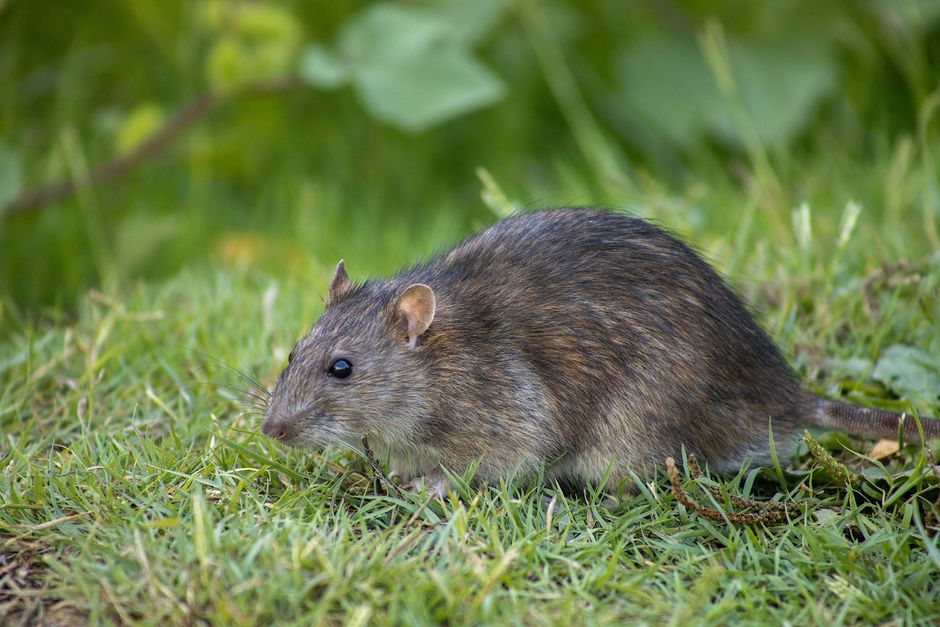
Norway rats are larger, with a body length ranging from 7 to 9.5 inches and a tail shorter than their body length. They have a robust, heavy build with small ears and a blunt nose. In contrast, roof rats are smaller, measuring 6 to 8 inches in body length, with a tail longer than their body. They are sleeker, with large ears and a pointed nose.
Reproductive Habits
Both species are prolific breeders. Norway rats can have up to 12 litters per year, with each litter consisting of 6 to 12 pups. Roof rats have slightly fewer litters, averaging 4 to 6 per year, but with similar litter sizes. The gestation period for both species is around 21 to 23 days, and young rats reach sexual maturity within 3 to 5 months.
Life Expectancy
In the wild, both Norway and roof rats have a life expectancy of about one year, although they can live longer in captivity. Predation and environmental factors significantly impact their lifespan.
Advanced DIY Rat Control Techniques
For those who wish to delve deeper into DIY rat control, advanced techniques can offer more comprehensive solutions. These methods often require more effort and attention to detail but can be highly effective.
Integrated Pest Management (IPM)
IPM is a holistic approach that combines multiple control strategies. It involves regular monitoring, accurate identification, and a combination of exclusion, trapping, and sanitation measures. By focusing on long-term prevention and minimal use of chemicals, IPM can be an environmentally friendly option.
Natural Repellents
Some homeowners prefer using natural repellents to deter rats. Essential oils like peppermint, eucalyptus, and citronella have been reported to repel rats when applied to cotton balls and placed in affected areas. However, these methods are often more effective as a supplementary measure rather than a standalone solution.
Ultrasonic Devices
Ultrasonic pest repellers emit high-frequency sound waves that are unpleasant to rodents. While their effectiveness can vary, they are a non-toxic option worth considering. Placement is crucial, as sound waves can be obstructed by furniture and walls.
Detailed Product Application Tips
When applying rat control products, precision and adherence to guidelines are key. Here are some detailed tips to maximize effectiveness:
Choosing the Right Bait
Select baits that are highly attractive to the specific species you are targeting. Norway rats are often drawn to meat-based baits, while roof rats may prefer fruits and nuts. Experiment with different baits to determine what works best in your situation.
Strategic Trap Placement
Place traps in areas with high rat activity, such as near droppings, gnaw marks, or grease trails. For roof rats, consider placing traps in elevated locations like rafters or shelves. Ensure traps are stable and cannot be easily moved by the rats.
Regular Rotation of Control Methods
Rats can become trap-shy or bait-averse if exposed to the same control methods repeatedly. Regularly rotate baits and trap types to maintain effectiveness. This strategy helps prevent rats from becoming accustomed to your control efforts.
Comprehensive Safety Precautions
Ensuring safety during rat control efforts is paramount. Here are comprehensive precautions to protect yourself and your household:
Handling Rat Carcasses
When disposing of dead rats, wear gloves and masks to prevent contact with bodily fluids. Place carcasses in sealed bags before disposing of them in the trash. Always wash your hands thoroughly after handling.
Safe Use of Chemical Products
If using chemical baits or poisons, ensure they are stored out of reach of children and pets. Follow all label instructions for safe application and disposal. Be aware of potential secondary poisoning risks to pets and wildlife.
Cleaning and Disinfection
After removing rats, clean and disinfect affected areas to eliminate pathogens. Use a bleach solution or commercial disinfectant, and ensure the area is well-ventilated during cleaning. This step helps prevent the spread of diseases like hantavirus and leptospirosis.
Understanding Rat Seasonal Activity
Rats exhibit different behaviors throughout the year, influenced by environmental changes and food availability. Recognizing these patterns can enhance control strategies.
Spring and Summer Dynamics
In spring, rats often increase their breeding activities, leading to population surges. Roof rats, in particular, may exploit the abundance of fruits and nuts during summer, increasing their presence in orchards and gardens.
Fall and Winter Dynamics
As autumn approaches, rats begin seeking shelter indoors to escape the cold. This migration often results in increased sightings and infestations in residential areas. Winter is a critical time for implementing exclusion and trapping measures to prevent indoor nesting.
Advanced Prevention Strategies
Beyond basic prevention, advanced strategies can offer more robust protection against rat infestations.
Rodent-Proofing Structures
Invest in rodent-proofing your home by installing door sweeps, repairing damaged screens, and using metal flashing to cover potential entry points. Regularly inspect and maintain these barriers to ensure their effectiveness.
Community Efforts
Engage with neighbors and local communities to address larger-scale rat problems. Community-wide clean-up events and coordinated pest control efforts can significantly reduce rat populations in urban areas.
Professional Training and Workshops
Consider attending workshops or training sessions on pest control to stay informed about the latest techniques and products. Knowledgeable homeowners are better equipped to handle infestations and prevent future occurrences.
Common Homeowner Mistakes and How to Avoid Them
Learning from common mistakes can improve your rat control efforts. Here are some pitfalls to avoid and tips for better results:
Overlooking Structural Repairs
Rats can exploit even the smallest gaps and cracks to enter your home. Regularly inspect your property for structural damage and repair it promptly to prevent access.
Neglecting Sanitation
Good sanitation is crucial in deterring rats. Ensure food is stored in sealed containers, and promptly clean up spills and crumbs. Regularly dispose of garbage and keep outdoor areas tidy.
Failing to Monitor Progress
Consistent monitoring is key to successful rat control. Keep track of trap catches, bait consumption, and signs of activity to assess the effectiveness of your efforts and make necessary adjustments.
By understanding rat behavior, implementing effective control techniques, and avoiding common mistakes, you can successfully manage and prevent rat infestations in your home.
Step-by-Step Prevention Checklist
Preventing a rat infestation before it starts is key to maintaining a rat-free home. Follow this comprehensive checklist to ensure your home remains unattractive to both Norway and Roof rats:
- Inspect Exterior Openings: Seal any gaps or holes larger than 1/4 inch around your home’s exterior. Pay special attention to areas where utilities enter the building.
- Secure Food Sources: Store all food, including pet food and birdseed, in metal or thick plastic containers with tight-fitting lids.
- Maintain Landscaping: Trim tree branches at least 4 feet away from the roofline and keep shrubbery well-trimmed to eliminate hiding spots.
- Regularly Dispose of Waste: Use rodent-proof garbage bins and ensure they are tightly sealed. Dispose of waste regularly to prevent attracting rodents.
- Monitor for Signs of Activity: Regularly check for droppings, gnaw marks, and burrows around your property.
- Eliminate Water Sources: Fix leaking pipes and faucets promptly. Ensure outdoor drainage systems are functioning properly.
- Conduct Routine Inspections: Schedule monthly inspections of your attic, basement, and garage for signs of rat activity.
Signs the Infestation is Getting Worse
Recognizing the signs of a worsening rat infestation can help you take timely action. Here are indicators that the situation may be escalating:
- Increased Droppings: A noticeable increase in droppings, especially in areas previously less affected, suggests a growing population.
- Gnaw Marks: Fresh gnaw marks on wood, wires, or food containers indicate active feeding and nesting.
- Footprints and Tail Marks: Dusty areas may reveal increased footprints and tail marks, indicating frequent movement.
- Strong Odor: A strong, musky odor suggests a large number of rats and possibly decomposing carcasses.
- Visible Nests: Discovering nests made of shredded paper or fabric in hidden areas like attics or basements.
- Increased Noise: Hearing more frequent scratching, scurrying, or squeaking sounds, especially at night.
Safety Precautions
When dealing with rats, safety is paramount to prevent disease transmission and avoid injury. Here are essential safety precautions:
- Wear Protective Gear: Always wear gloves and a mask when handling traps, droppings, or carcasses.
- Ventilate Spaces: Ensure proper ventilation when cleaning areas with rat activity to minimize inhalation of dust particles.
- Avoid Direct Contact: Never handle live or dead rats with bare hands. Use tools or protective equipment.
- Disinfect Thoroughly: Use a bleach solution to disinfect areas where rats have been active, including surfaces and floors.
- Store Chemicals Safely: Keep rodenticides and other chemicals out of reach of children and pets, and follow all safety instructions on labels.
What Professional Treatment Involves
Understanding what professional pest control treatments entail can help you make informed decisions. Here’s what to expect:
- Initial Inspection: A thorough inspection of your property to identify entry points, nesting sites, and the extent of the infestation.
- Customized Plan: Development of a tailored treatment plan that addresses the specific type of rat and severity of the infestation.
- Exclusion Techniques: Sealing entry points and potential access routes to prevent future infestations.
- Use of Traps and Baits: Strategic placement of traps and baits in high-activity areas, using professional-grade products.
- Follow-Up Visits: Scheduled follow-up visits to monitor progress, adjust treatment plans, and ensure the infestation is under control.
Cost Comparison
Understanding the cost implications of different rat control methods can help you choose the best option for your budget:
- DIY Methods: Typically cost between $50 to $200, depending on the products and materials used. This includes traps, baits, and exclusion materials.
- Professional Services: Initial treatment may range from $200 to $500, with follow-up visits potentially costing $50 to $150 each. Prices vary based on the size of the property and severity of the infestation.
- Long-Term Savings: Investing in professional services can prevent extensive damage and health risks, potentially saving thousands in future repair and medical costs.
Myths vs Facts
Separating myths from facts can improve your pest control strategy. Here are some common misconceptions:
- Myth: Cats can completely control rat populations. Fact: While cats may deter individual rats, they are unlikely to manage large infestations effectively.
- Myth: Rats only infest dirty homes. Fact: Rats are opportunistic and can invade clean homes if there are available food and shelter.
- Myth: Ultrasonic devices alone can eliminate rats. Fact: These devices may deter rats temporarily but are not effective as a sole control method.
How Long Treatment Takes
The timeline for rat control varies based on the method used and the severity of the infestation:
- DIY Methods: Typically require 2-4 weeks to see a noticeable reduction in rat activity, with continued monitoring and maintenance.
- Professional Services: Initial results are often seen within a week, with complete control achieved in 1-3 months, depending on follow-up treatments and preventive measures.
What to Do if DIY Fails
If your DIY efforts are unsuccessful, consider the following steps:
- Reassess Your Strategy: Evaluate your current methods and identify potential weaknesses or areas that need improvement.
- Increase Monitoring: Use motion-activated cameras or tracking powder to better understand rat movements and adjust your approach.
- Consult Resources: Refer to reputable pest control guides or community resources for additional tips and strategies.
🛒 What to Buy: DIY Treatment Products
Professional-grade products — the same ones exterminators use, available without a license.
Professional-grade bromadiolone bait — a single feeding delivers a lethal dose for rats and mice.
View Product →
Pro Tip: Place the Contrac Blox in tamper-resistant bait stations near active rodent pathways and ensure they are secured to prevent non-target animals from accessing the bait. Regularly check and replenish the bait to maintain its effectiveness, as rodents may avoid stations that are empty.
Tamper-resistant bait station — keeps children and pets safe while targeting rodents.
View Product →
Pro Tip: Ensure the bait station is placed in areas with high rodent activity, such as along walls or near droppings, and check it regularly to replace bait as needed for maximum effectiveness.
If the infestation is severe or beyond DIY control, see the professional option below.
When to Call a Professional
If you notice a large infestation or if traps are not working, it may be time to call a professional. Also, if you’re unsure about handling traps or bait, it’s best to seek help.
Need professional pest control?
Get connected with a licensed exterminator in your area — fast response, residential service.
Use Our Free Pest Identifier
Not sure exactly what you’re dealing with? Our free AI pest identifier at id.allpestandtermite.com can help you confirm your pest and get a full treatment plan in minutes.
Not ready to call? Get free competitive quotes.
Compare top-rated local pest control pros — it’s free.
Related Reading
- Scratching in Walls at Night: What Pest Is Making That Sound?
- Effective Strategies for Rodent Control
- Rodent Infestation Warning Signs Every Homeowner Should Know
🔍 Hearing noises or finding droppings? Get a free AI identification →
❓ Frequently Asked Questions
What are the main differences between Norway Rat and Roof Rat?
Norway Rats are typically larger, with a stocky body and a blunt snout, while Roof Rats are smaller, more slender, and have a pointed snout. Additionally, Norway Rats prefer to burrow in the ground, whereas Roof Rats are more likely to nest in trees or attics.
How can I identify if I have a Norway Rat or Roof Rat in my home?
To determine whether you have a Norway Rat vs Roof Rat, look for droppings and nests. Norway Rat droppings are larger and blunt-ended, while Roof Rat droppings are smaller and pointed. Also, check for signs of gnawing; Norway Rats tend to gnaw on lower surfaces, while Roof Rats often leave marks higher up.
What signs indicate a Norway Rat infestation?
Signs of a Norway Rat infestation include burrows in the ground, droppings that are about 3/4 inch long, and gnaw marks on wood or plastic. You may also notice tracks in dusty areas or hear noises in the walls or ceilings, especially at night.
What signs indicate a Roof Rat infestation?
If you suspect a Roof Rat infestation, look for droppings that are about 1/2 inch long and pointed at both ends. You may also find nests in trees, attics, or high places, as well as gnaw marks on food packaging or electrical wires.
Can Norway Rat vs Roof Rat affect my home differently?
Yes, Norway Rats and Roof Rats can impact your home in different ways. Norway Rats are more likely to cause structural damage by burrowing and gnawing on materials, while Roof Rats can create fire hazards by chewing on electrical wires. Identifying which type you have can help you take appropriate action.
Still not sure exactly what you’re dealing with?
Describe your pest or upload a photo — our free AI identifies it in seconds and gives you a full treatment plan.
Not Sure What Bug You Found?
Upload a photo to our free AI Pest Identifier. Get an instant ID, severity rating, and step-by-step treatment plan — no account required.
🔍 Identify My Pest Free →