
Understanding the Biology and Behavior of Common Wall-Dwelling Pests
To effectively deal with pests making scratching noises in your walls, it’s crucial to understand their biology and behavior. Different pests have unique habits and preferences, which can help you identify and manage them more effectively.
Short on time? Find out what pest you have right now — free.
Use our free AI Pest ID tool, then come back to read the full treatment guide.
Rodents: Mice and Rats
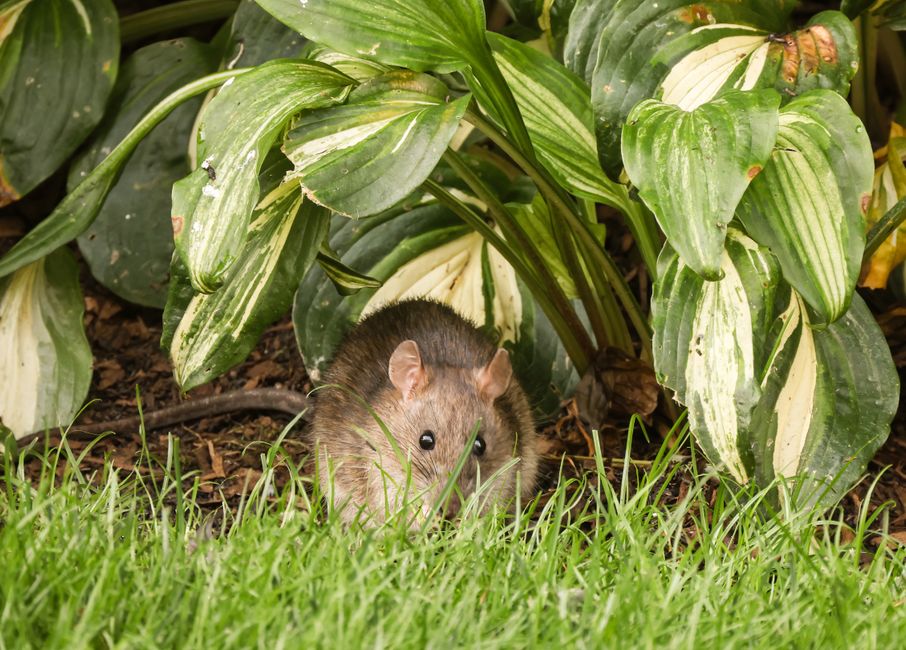
Rodents are among the most common culprits behind scratching noises in walls. Mice and rats are nocturnal creatures, meaning they are most active at night. This is why you often hear them scratching or gnawing during the quiet hours. They have strong teeth that grow continuously, prompting them to chew on various materials, including wood, plastic, and even electrical wiring, to keep their teeth from overgrowing.
- Mice: Mice are small, agile, and can squeeze through openings as small as a dime. They are curious creatures and tend to explore their surroundings extensively.
- Rats: Rats are larger than mice and can be more destructive. They are known for their intelligence and ability to learn from their environment, making them harder to trap.
Squirrels
Squirrels are another common pest that can make scratching noises in walls. They are excellent climbers and can easily access your home through overhanging trees or utility lines. Squirrels are diurnal, meaning they are active during the day, so if you hear noises during daylight hours, squirrels might be the culprits.
- Nesting Behavior: Squirrels often build nests in attics or wall cavities using materials like leaves, twigs, and insulation.
- Entry Points: They can chew through wood and other materials to create entry points into your home.
Raccoons
Raccoons are larger pests that can also be responsible for noises in your walls. They are nocturnal and highly adaptable, often seeking shelter in attics or crawl spaces.
- Signs of Raccoons: Look for larger droppings, overturned garbage cans, and tracks around your property.
- Access Points: Raccoons can enter through damaged vents, chimneys, or roof edges.
Early Warning Signs of Pest Infestations
Recognizing early warning signs of pest infestations can help you take action before the problem becomes severe. Here are some indicators to watch for:
- Unusual Odors: A strong, musky odor can indicate a rodent infestation. This smell is often caused by their urine and droppings.
- Grease Marks: Rodents tend to leave greasy smudges along walls and baseboards as they follow the same paths.
- Strange Noises: Beyond scratching, you might hear scurrying, squeaking, or thumping sounds, especially at night.
- Visible Damage: Look for gnaw marks on furniture, wires, or food packaging.
- Increased Pest Activity: If you notice more pests around your property, it could indicate a growing infestation.
Step-by-Step DIY Pest Control Techniques
While professional pest control services are effective, there are several DIY methods you can try to manage pests in your walls. Here’s a step-by-step guide:
1. Conduct a Thorough Inspection
Start by inspecting your home for signs of pest activity. Use a flashlight to check dark corners, attics, basements, and crawl spaces for droppings, nests, or damage.
2. Identify Entry Points
Carefully examine the exterior of your home for potential entry points. Pay attention to gaps around windows, doors, vents, and utility lines. Use a mirror or camera to inspect hard-to-reach areas.
3. Seal Entry Points
Once you’ve identified entry points, seal them using appropriate materials. For small gaps, use caulk or weatherstripping. For larger holes, consider using steel wool or wire mesh to prevent pests from chewing through.
4. Set Traps Strategically
Place traps in areas where you’ve noticed signs of pest activity. For rodents, use snap traps or live traps. Position them perpendicular to walls with the bait side closest to the wall. Check traps regularly and dispose of captured pests humanely.
5. Use Natural Repellents
Consider using natural repellents like peppermint oil or vinegar to deter pests. Soak cotton balls in the repellent and place them near entry points or areas of activity. Reapply the repellent regularly to maintain its effectiveness.
6. Maintain a Clean Environment
Keep your home clean and free of food debris. Store food in airtight containers and promptly clean up spills and crumbs. Regularly take out the trash and ensure garbage bins are sealed tightly.
Safety Precautions When Dealing with Pests
When handling pest control tasks, it’s essential to prioritize safety. Here are some precautions to take:
- Wear Protective Gear: Use gloves and masks when handling traps or cleaning up droppings to avoid direct contact with pests or their waste.
- Follow Product Instructions: If using chemical repellents or traps, carefully read and follow the manufacturer’s instructions to ensure safe and effective use.
- Keep Pets and Children Away: Ensure that traps and repellents are placed out of reach of pets and children to prevent accidental exposure.
- Ventilate the Area: If using chemical products, ensure proper ventilation to avoid inhaling fumes.
Seasonal Activity of Common Wall-Dwelling Pests
Pest activity can vary with the seasons, influencing when and how you might encounter them in your home.
Spring and Summer
During the warmer months, many pests become more active as they search for food and mates. Squirrels and raccoons may be more noticeable as they raise their young and seek nesting sites.
Fall and Winter
As temperatures drop, pests like rodents seek shelter indoors to escape the cold. This is when you’re most likely to hear scratching noises in your walls as they settle in for the winter.
Common Homeowner Mistakes in Pest Control
When dealing with pests, homeowners sometimes make mistakes that can exacerbate the problem. Here are some common pitfalls to avoid:
- Ignoring Early Signs: Delaying action when you first notice signs of pests can lead to a more significant infestation.
- Using Ineffective Traps: Not all traps are suitable for every pest. Ensure you choose the right type and size for the pests you’re dealing with.
- Overusing Chemical Repellents: Excessive use of chemical repellents can be harmful to humans and pets. Use them sparingly and as directed.
- Failing to Address the Root Cause: Simply removing pests without addressing entry points or food sources will not prevent future infestations.
- Neglecting Regular Maintenance: Regularly inspecting and maintaining your home can prevent pests from finding entry points or nesting sites.
Long-term Prevention Strategies
To keep pests from returning, implement long-term prevention strategies that make your home less attractive to them.
Regular Home Inspections
Schedule regular inspections of your home to identify and address potential pest entry points. Pay attention to changes in your home’s structure or landscaping that could provide access to pests.
Landscaping and Yard Maintenance
Maintain your yard by trimming trees and shrubs away from your home. Remove piles of leaves, wood, or debris that can serve as nesting sites.
Secure Food and Water Sources
Ensure that food is stored securely in your home. Fix leaky pipes or faucets to eliminate water sources that attract pests.
Install Barriers
Consider installing physical barriers like door sweeps, chimney caps, and vent covers to prevent pests from entering your home.
By understanding the behavior and biology of pests, recognizing early warning signs, and implementing effective control and prevention strategies, you can protect your home from unwanted invaders and maintain a peaceful, pest-free environment.
Signs the Infestation is Getting Worse
Detecting an infestation early can save homeowners from extensive damage and costly repairs. However, it’s crucial to recognize when an infestation is escalating. Here are some signs that suggest the problem is getting worse:
- Increased Noise Levels: If the scratching, scurrying, or gnawing noises in your walls become more frequent or louder, it indicates a growing population.
- Visible Damage: Chewed wires, gnawed wood, and damaged insulation are signs of an increased pest presence. Look for new or worsening damage over time.
- More Frequent Sightings: Spotting pests during the day, or seeing more of them than before, usually means the infestation is expanding beyond its original hiding spots.
- Unpleasant Odors: A strong, musty odor can indicate a large infestation, as the accumulation of droppings, urine, and nesting materials becomes more pronounced.
- Increased Droppings: An uptick in the amount of droppings found around your home, particularly in kitchens, attics, and basements, suggests a growing problem.
What Professional Treatment Involves
Professional pest control services offer comprehensive solutions that go beyond DIY methods. Understanding what professional treatment involves can help homeowners make informed decisions:
- Inspection: Professionals conduct a thorough inspection to identify the type of pest, the extent of the infestation, and potential entry points.
- Customized Treatment Plan: Based on the inspection, a tailored treatment plan is developed that may include baiting, trapping, or chemical treatments.
- Use of Specialized Equipment: Professionals use advanced tools and equipment, such as thermal imaging cameras and moisture meters, to locate nests and hidden pests.
- Safe Chemical Application: If chemical treatments are necessary, professionals apply them in a controlled manner, ensuring safety for humans and pets.
- Follow-up Visits: Many services include follow-up visits to ensure the treatment’s effectiveness and make any necessary adjustments.
- Preventative Advice: Professionals provide advice on how to prevent future infestations, including recommendations for home repairs and maintenance.
Cost Comparison: DIY vs Professional Pest Control
When dealing with pest infestations, homeowners often weigh the costs between DIY methods and hiring professionals. Here’s a breakdown of the potential expenses involved:
- DIY Costs: Purchasing traps, baits, and repellents can cost anywhere from $50 to $200, depending on the severity of the infestation and the products chosen.
- Professional Costs: Initial inspections typically cost between $100 and $300. Comprehensive treatment plans can range from $300 to $1,000 or more, depending on the pest type and infestation size.
- Long-term Savings: While professional services are more costly upfront, they often save money in the long run by effectively eliminating the infestation and preventing future issues.
Myths vs Facts About Pest Control
There are many misconceptions about pest control that can lead to ineffective treatments. Here are some common myths and the facts that dispel them:
- Myth: Cheese is the best bait for mice.
Fact: Mice are more attracted to high-protein foods like peanut butter and chocolate. - Myth: Ultrasonic repellents work for all pests.
Fact: The effectiveness of ultrasonic devices is limited and varies by pest type. - Myth: Seeing one pest means there’s no infestation.
Fact: Pests are often nocturnal and secretive, so seeing one can indicate a larger hidden problem. - Myth: DIY methods are as effective as professional treatments.
Fact: While DIY can manage minor issues, professional treatments are more effective for severe infestations.
How Long Treatment Takes
The duration of pest control treatments can vary widely based on several factors. Here’s what to expect:
- Inspection and Initial Treatment: The initial visit, including inspection and treatment, typically takes 1 to 2 hours.
- Follow-up Treatments: Depending on the severity, follow-up treatments may be necessary every 2 to 4 weeks, lasting about an hour each.
- Complete Resolution: For severe infestations, achieving complete pest control can take several weeks to a few months, with regular monitoring and adjustments.
🛒 What to Buy: DIY Treatment Products
Professional-grade products — the same ones exterminators use, available without a license.
Professional-grade bromadiolone bait — a single feeding delivers a lethal dose for rats and mice.
View Product →
Pro Tip: Place the Contrac Blox in tamper-resistant bait stations near active rodent pathways, and ensure they are secured to prevent non-target animals from accessing the bait. Regularly check and replenish the bait to maintain its effectiveness.
Tamper-resistant bait station — keeps children and pets safe while targeting rodents.
View Product →
Pro Tip: Place the Protecta LP Bait Station in areas where you’ve noticed rodent activity, ideally along walls or near entry points, and ensure it’s secured to the ground to prevent it from being moved or disturbed. Regularly check and replenish the bait to maintain its effectiveness and monitor rodent activity.
If the infestation is severe or beyond DIY control, see the professional option below.
When to Call a Professional
If you notice a significant infestation or are unable to identify the pest, it’s time to call a professional. Additionally, if you hear persistent scratching noises despite your efforts, it may indicate a larger problem that needs expert attention.
Need professional pest control?
Get connected with a licensed exterminator in your area — fast response, residential service.
Use Our Free Pest Identifier
Not sure exactly what you’re dealing with? Our free AI pest identifier at id.allpestandtermite.com can help you confirm your pest and get a full treatment plan in minutes.
Not ready to call? Get free competitive quotes.
Compare top-rated local pest control pros — it’s free.
Related Reading
- Effective Strategies for Rodent Control
- Rodent Infestation Warning Signs Every Homeowner Should Know
- Comprehensive Strategies for Effective Pest Control
🔍 Hearing noises or finding droppings? Get a free AI identification →
❓ Frequently Asked Questions
What could be causing scratching in walls at night?
Scratching in walls at night is often caused by rodents, such as mice or rats, that are active during the evening. These pests may be searching for food or nesting materials, and their movements can create noticeable sounds.
How can I tell if the scratching in walls at night is from rodents?
Listen for consistent scratching noises, especially during the night when rodents are most active. You may also notice droppings, gnaw marks, or nests in hidden areas, which can help confirm the presence of these pests.
What should I do if I hear scratching in walls at night?
If you hear scratching in walls at night, it’s important to investigate further. Start by checking for signs of rodent activity, such as droppings or chewed materials, and consider sealing any entry points to prevent further infestations.
Can scratching in walls at night indicate other pests besides rodents?
Yes, while rodents are the most common culprits, other pests like squirrels or even insects can cause scratching sounds. If you’re unsure, it’s best to consult a pest control professional to identify the source of the noise.
How can I prevent scratching in walls at night from pests?
To prevent scratching in walls at night, ensure that your home is sealed against entry points by checking for gaps around windows, doors, and foundations. Keeping your home clean and free of food debris can also deter rodents and other pests from entering.
Still not sure exactly what you’re dealing with?
Describe your pest or upload a photo — our free AI identifies it in seconds and gives you a full treatment plan.
Not Sure What Bug You Found?
Upload a photo to our free AI Pest Identifier. Get an instant ID, severity rating, and step-by-step treatment plan — no account required.
🔍 Identify My Pest Free →