
Black Widow vs Brown Recluse Bite Pictures: 9 Critical Facts Every Homeowner Should Know
Most people don’t start searching for spider bite pictures because they’re curious.
Short on time? Find out what pest you have right now — free.
Use our free AI Pest ID tool, then come back to read the full treatment guide.
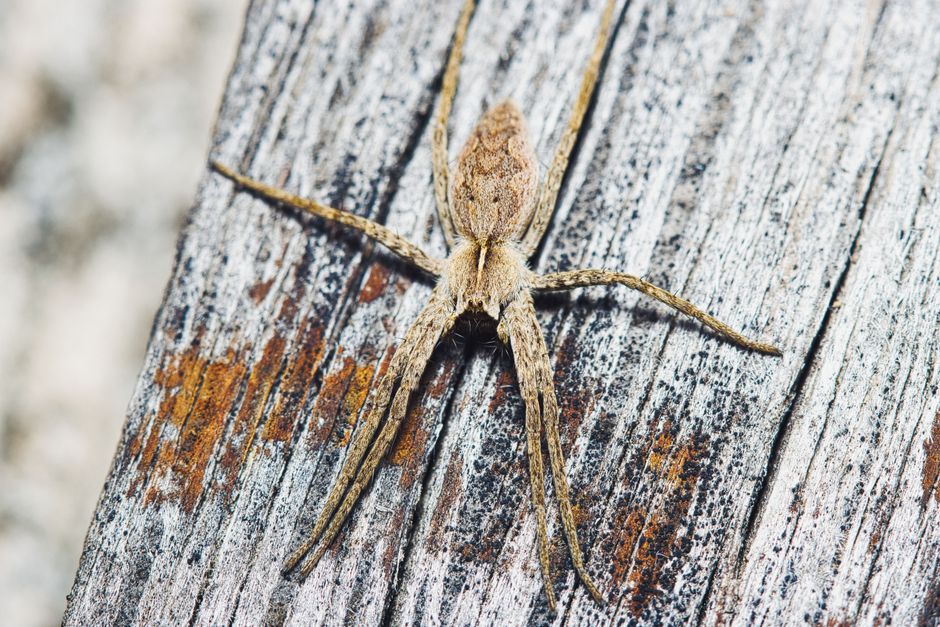
They start searching because something happened.
Maybe you woke up with a strange mark on your arm.
Maybe you found a spider in the garage.
Maybe your child has a red, swollen area that seems to be getting worse.
So you do what almost everyone does.
You head to Google and search:
“Black Widow vs Brown Recluse bite pictures.”
The problem?
Many of the images online create more confusion than clarity.
Some show severe cases that are extremely uncommon.
Others show wounds that were never caused by spiders at all.
And many people try to identify a spider bite from a photo alone, which often leads to the wrong conclusions.
Let’s look at what these bites typically look like, how they differ, and why identifying the spider itself is usually more important than comparing random photos online.
The Biggest Mistake People Make With Spider Bite Pictures
Here’s something most homeowners don’t realize.
Doctors often cannot identify a spider species based solely on a bite wound.
That surprises a lot of people.
The reason is simple.
Many skin infections, allergic reactions, insect bites, and other medical conditions can resemble what people believe is a spider bite.
In fact, many suspected spider bites are never linked to an actual spider.
That’s why visual identification of the spider is often more valuable than visual identification of the wound.
Identify Before You Treat™
When possible, identifying the spider itself provides far more useful information than comparing bite photos online.
What Does a Black Widow Bite Look Like?
This is where many people get confused.
Most homeowners expect a dramatic wound.
Usually, that’s not what happens.
In many cases, a Black Widow bite initially looks fairly minor.
You might notice:
- Small puncture marks
- Mild redness
- Localized swelling
- Slight tenderness
At first glance, it may not appear serious.
The bigger concern isn’t always what you see.
It’s often what you feel.
Black Widow Bite Pictures Often Look Mild
When people search for Black Widow bite pictures, they’re often surprised.
The visible skin damage is usually limited compared to the symptoms happening elsewhere in the body.
That’s because Black Widow venom is neurotoxic, meaning it primarily affects the nervous system.
Common Black Widow Bite Symptoms
- Severe muscle cramps
- Muscle pain
- Sweating
- Nausea
- Headaches
- Restlessness
- Elevated blood pressure
- General body discomfort
A Black Widow bite may look relatively small while causing symptoms that feel much more significant.
What Does a Brown Recluse Bite Look Like?
Brown Recluse bites generate many of the photos people see online.
That’s because the venom can affect tissue around the bite area.
However, it’s important to understand that not every Brown Recluse bite develops into a severe wound.
Many never progress beyond mild irritation.
Early Brown Recluse Bite Pictures
Early stages often show:
- Redness
- Mild swelling
- Tenderness
- Skin irritation
At this point, many people assume it’s simply a mosquito bite or minor skin reaction.
Progressive Brown Recluse Bite Pictures
As symptoms develop, some bites may show:
- Increased redness
- Blister formation
- Darkened skin
- Tissue breakdown
- Slow-healing wounds
These are the images most often shared online.
Unfortunately, severe cases tend to get the most attention.
As a result, many homeowners assume every Brown Recluse bite progresses this way.
That’s simply not true.
Black Widow vs Brown Recluse Bite Pictures: Side-by-Side Comparison
| Feature | Black Widow Bite | Brown Recluse Bite |
|---|---|---|
| Initial Appearance | Small puncture marks | Redness and irritation |
| Skin Damage | Usually limited | Can become more severe |
| Venom Type | Neurotoxic | Cytotoxic |
| Primary Concern | Nervous system effects | Tissue damage |
| Pain Location | Often spreads throughout body | Usually concentrated near bite |
| Symptom Timeline | Often develops quickly | May worsen over hours or days |
| Severe Cases | Systemic symptoms | Localized tissue injury |
Why Bite Pictures Can Be Misleading
This is where things start to break down online.
Search engines tend to show dramatic images because they attract clicks.
Unfortunately, dramatic images don’t always represent typical cases.
Many online photos show:
- Rare complications
- Advanced wounds
- Untreated cases
- Misdiagnosed conditions
- Infections unrelated to spiders
The result?
People panic when they shouldn’t.
Or ignore symptoms when they shouldn’t.
Neither outcome is helpful.
Can You Identify a Spider Bite From a Picture Alone?
Short answer:
Not reliably.
A photograph may provide clues.
But a photo alone usually isn’t enough to determine:
- What spider caused the bite
- Whether a spider caused it at all
- How severe symptoms may become
- What treatment may be necessary
This is why medical professionals consider symptoms, circumstances, and sometimes identification of the spider itself.
What Should You Do If You Suspect a Spider Bite?
First, don’t panic.
Most spider encounters never result in a bite.
And most bites do not become medical emergencies.
Clean the Area
Wash the area gently with soap and water.
Monitor Symptoms
Watch for:
- Increasing redness
- Swelling
- Pain
- Blistering
- Fever
- Muscle cramping
- Worsening discomfort
Photograph Changes
Taking photos over time can help document progression if medical evaluation becomes necessary.
Seek Medical Guidance
Contact a healthcare professional or poison control center if symptoms develop, worsen, or concern you.
The Better Question: What Spider Did You Actually Find?
Here’s where many homeowners focus on the wrong thing.
Instead of asking:
“What does this bite look like?”
Ask:
“What spider did I actually find?”
Accurate identification is usually more valuable than comparing dozens of bite photos online.
If you found the spider:
- Note the color
- Look for distinctive markings
- Take a photo if possible
- Compare identification features
- Avoid handling it directly
The more information you have about the spider, the easier it becomes to determine the next steps.
For a complete identification guide, see our article on Black Widow vs Brown Recluse: 7 Critical Differences Every Homeowner Must Know Before Treating the Wrong Spider.
Common Spider Bite Myths
Myth: Every Skin Ulcer Is a Brown Recluse Bite
False.
Many medical conditions can create similar wounds.
Myth: Black Widow Bites Always Leave Severe Skin Damage
False.
The bite itself often appears relatively minor.
Myth: You Can Diagnose a Spider Bite Using Google Images
Not reliably.
Photos are only one piece of the puzzle.
Myth: Every Spider Is Dangerous
False.
Most spiders found around homes are harmless and beneficial predators that help control insect populations.
How to Reduce Spider Encounters Around Your Home
The best spider bite prevention strategy is simple.
Reduce spider activity before problems occur.
Focus on:
- Removing clutter
- Sealing entry points
- Reducing insect populations
- Inspecting storage areas regularly
- Organizing garages and basements
- Limiting outdoor debris near structures
- Keeping firewood away from the home
- Reducing moisture issues around foundations
Spiders need shelter and food.
Take those away, and spider activity often decreases.
Seasonal Activity of Spiders
Spiders are more active during certain times of the year, which can increase the likelihood of encounters. Understanding these patterns can help in planning effective prevention strategies.
Black Widows and Brown Recluses, like many spiders, tend to be more active during the warmer months. This is typically from late spring through early fall. During these times, they are more likely to be found in areas where they can find food and shelter, such as garages, basements, and outdoor sheds.
As temperatures drop in the fall, spiders may seek refuge indoors, which can increase sightings inside homes. Therefore, late summer and early fall are critical times to ensure that your home is sealed against spider entry.
Common Homeowner Mistakes in Spider Control
Despite the best intentions, homeowners often make mistakes that can inadvertently increase spider problems. Here are some common errors to avoid:
- Ignoring Small Cracks and Crevices: Even small openings can provide entry points for spiders. Regularly inspect and seal these areas to prevent entry.
- Overusing Pesticides: While it might seem like a good idea to spray pesticides liberally, this can disrupt the natural ecosystem and kill beneficial insects that keep spider populations in check.
- Neglecting Regular Cleaning: Spiders thrive in cluttered and dusty environments. Regular cleaning can help reduce their habitat and food sources.
- Improper Storage of Firewood: Storing firewood directly against the house can provide an easy path for spiders to enter your home. Keep firewood stored at least 20 feet away from your home if possible.
By avoiding these common mistakes and implementing proactive measures, you can significantly reduce the likelihood of spider encounters and bites in your home.
Frequently Asked Questions
Do Black Widow bites always leave visible wounds?
Not necessarily. Many Black Widow bites appear relatively minor on the skin while causing more noticeable systemic symptoms.
Do all Brown Recluse bites cause tissue damage?
No. Many Brown Recluse bites remain mild and never develop severe tissue damage.
Can a doctor identify a spider bite from a picture?
Not always. Photos can provide clues, but diagnosis often requires additional information.
What is the biggest difference between Black Widow and Brown Recluse bites?
Black Widow venom primarily affects the nervous system, while Brown Recluse venom primarily affects tissue and skin.
Should I save a picture of the spider?
Yes. If it can be done safely, a clear photo of the spider can be extremely helpful for identification.
When is spider season?
Homeowners tend to notice increased spider activity between August and October, although spiders can be present year-round.
Final Thoughts
If you’re searching for Black Widow vs Brown Recluse bite pictures, you’re probably looking for certainty.
Unfortunately, photos alone rarely provide it.
The appearance of a bite can vary from person to person.
Symptoms can develop differently.
And many suspected spider bites aren’t caused by spiders at all.
That’s why we always come back to the same principle:
Identify Before You Treat™
Learn the differences between Black Widow and Brown Recluse spiders.
Understand where they hide.
Know the signs.
And remember that accurate identification is usually more valuable than comparing internet photos.
Because when it comes to spiders, the picture doesn’t always tell the whole story.
Not ready to call? Get free competitive quotes.
Compare top-rated local pest control pros — it’s free.
❓ Frequently Asked Questions
What do Black Widow and Brown Recluse bites look like?
Black Widow vs Brown Recluse bite pictures can help you identify the differences. A Black Widow bite typically appears as a red spot with a surrounding area of redness and may develop into a blister, while a Brown Recluse bite often looks like a small, red bump that can become necrotic over time.
How can I tell if I’ve been bitten by a Black Widow or Brown Recluse?
Look for the specific symptoms associated with each spider. Black Widow bites often cause severe pain, muscle cramps, and systemic symptoms, while Brown Recluse bites may lead to a painful sore that can worsen over days and potentially cause tissue damage.
What should I do if I suspect a Black Widow or Brown Recluse bite?
Seek medical attention immediately if you suspect a bite from either spider. Prompt treatment can help manage symptoms and prevent complications, especially with a Black Widow bite, which can be more dangerous.
Are Black Widow and Brown Recluse spiders common in homes?
Yes, both spiders can be found in homes, particularly in dark, undisturbed areas like basements, attics, and closets. Regular cleaning and decluttering can help reduce the likelihood of encountering these spiders.
How can I prevent Black Widow and Brown Recluse bites in my home?
To prevent bites, seal cracks and crevices in your home, keep outdoor areas tidy, and reduce clutter indoors. Additionally, wearing gloves when handling items stored in dark places can help protect you from potential bites.
Still not sure exactly what you’re dealing with?
Describe your pest or upload a photo — our free AI identifies it in seconds and gives you a full treatment plan.
Apply in corners, cracks, and voids where spiders hide — kills on contact, residual lasts for years.
View Product →
If the infestation is severe or beyond DIY control, see the professional option below.
Compare top-rated local pest control pros — it’s free.
Compare quotes from top-rated Pest Control Services →
Common Mistakes Homeowners Make with Spider Infestations
Many homeowners inadvertently encourage spider infestations through a few common mistakes. One frequent error is leaving outdoor lights on at night. These lights attract insects, which in turn attract spiders looking for food. Another mistake is neglecting to seal cracks and crevices around the home. Spiders can easily enter through these small openings. Additionally, clutter in basements, attics, and garages provides ideal hiding spots for spiders. Regularly cleaning and organizing these areas can help reduce the likelihood of an infestation. Finally, failing to address moisture issues, such as leaky pipes or poor ventilation, can create environments conducive to spider habitation.
Signs the Infestation is Getting Worse
Detecting the escalation of a spider infestation early can prevent more significant issues down the line. One clear sign is an increase in spider webs around your home, particularly in corners, basements, and garages. If you start noticing more spiders during daylight hours, this could indicate a growing population. Additionally, finding egg sacs, which are small, silky pouches, suggests that spiders are reproducing in your home. Increased sightings of prey insects can also signal a worsening infestation, as more food sources can support a larger spider population.
Safety Precautions When Dealing with Spiders
When dealing with spiders, especially venomous ones like Black Widows and Brown Recluses, safety should be a top priority. Always wear gloves when cleaning areas where spiders might be present, such as attics, basements, or wood piles. Use a flashlight to inspect dark corners before reaching into them. If you need to capture a spider for identification, use a jar and a piece of paper to avoid direct contact. Educate family members, especially children, about the importance of not disturbing spiders and the potential risks involved.
🛒 What to Buy: DIY Treatment Products
Professional-grade products — the same ones exterminators use, available without a license.
Professional cypermethrin powder — apply at entry points, baseboards, and garages to keep spiders out.
View Product →
Pro Tip: For best results with Demon WP, make sure to apply it as a fine, even layer rather than a heavy coating, as this allows the active ingredient to effectively adhere to surfaces and maximize its effectiveness against spiders.
Apply in corners, cracks, and voids where spiders hide — kills on contact, residual lasts for years.
View Product →
Pro Tip: For best results, ensure the dust is applied in a thin, even layer and avoid overloading the application; this allows the insects to come into contact with the active ingredient effectively.
If the infestation is severe or beyond DIY control, see the professional option below.
Not Sure What Bug You Found?
Upload a photo to our free AI Pest Identifier. Get an instant ID, severity rating, and step-by-step treatment plan — no account required.
🔍 Identify My Pest Free →