
Short on time? Find out what pest you have right now — free.
Use our free AI Pest ID tool, then come back to read the full treatment guide.
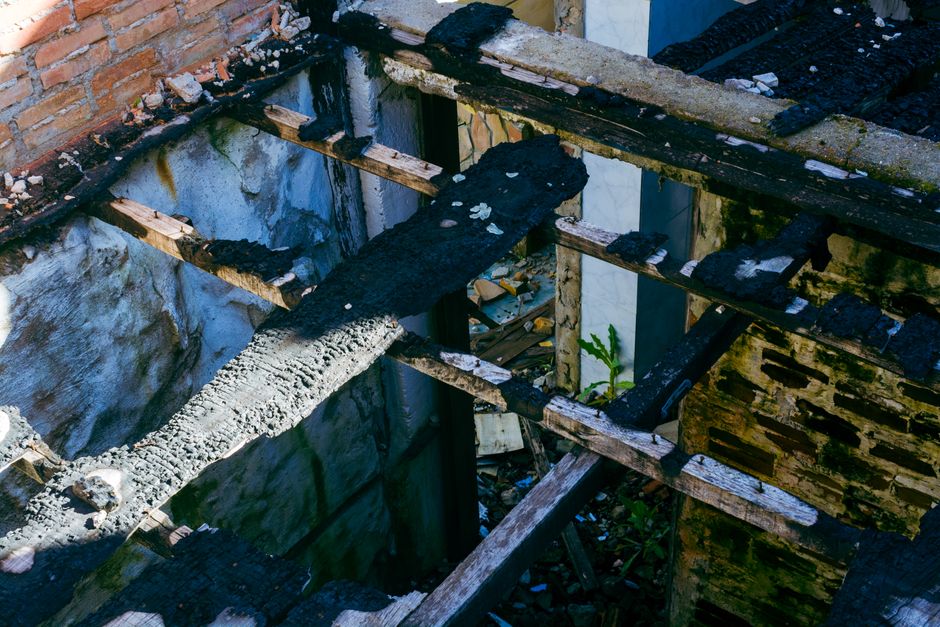
Termites are a pervasive threat to homes across the globe, silently consuming wood and compromising structural integrity often without immediate visible signs. The insidious nature of these pests makes regular vigilance an absolute necessity for every homeowner. While professional termite inspections are highly recommended, understanding what to look for and conducting your own periodic checks can significantly increase the chances of early detection, potentially saving thousands of dollars in repairs and preventing extensive damage.
This article provides an essential termite inspection checklist specifically designed for homeowners. We will guide you through the critical areas of your property to examine, detailing the specific signs of termite activity to watch for. The goal is to empower you with the knowledge and systematic approach needed to conduct effective self-inspections, enabling prompt action if any suspicious indicators are found. Being proactive in monitoring your home is the first line of defense against these destructive invaders.
The Importance of Regular Homeowner Inspections
Many homeowners mistakenly believe that a professional inspection every few years is sufficient to protect against termites. While professional inspections are indeed crucial and offer a level of expertise and equipment that DIY efforts cannot match, they are not a substitute for continuous homeowner vigilance. Termites can establish new colonies or expand existing ones rapidly, and a lot can happen between scheduled professional visits. Your daily presence in and around your home puts you in a unique position to spot early warning signs that might otherwise go unnoticed.
Regular homeowner inspections serve as a vital early warning system. By familiarizing yourself with the common signs of termite activity and systematically checking vulnerable areas, you can catch an infestation in its nascent stages. Early detection means less damage, simpler and less costly treatment options, and a quicker resolution to the problem. It is about taking an active role in protecting your investment and ensuring the long-term health and safety of your home. This proactive approach complements professional services, creating a comprehensive defense strategy against termites.
Why Homeowner Inspections Are Crucial
Taking an active role in inspecting your home for termites offers significant advantages in protecting your property.
- Early Detection: You are present in your home daily, allowing for immediate observation of new or subtle signs of termite activity.
- Cost Savings: Catching an infestation early can prevent extensive damage, leading to less costly and less invasive treatments.
- Continuous Vigilance: Professional inspections are periodic; homeowner checks provide ongoing monitoring between these visits.
- Familiarity with Your Home: You know your home best, including its unique quirks and potential vulnerabilities.
- Empowerment: Understanding the signs and knowing where to look empowers you to take control of your home’s protection.
- Complements Professional Services: Your observations can provide valuable information to professional exterminators, aiding their assessment and treatment plans.
Exterior Termite Inspection Checklist
The exterior of your home is the first line of defense against termites and often where the initial signs of an infestation can be found. Subterranean termites, in particular, typically approach a home from the soil. A thorough inspection of the foundation, surrounding landscaping, and any wooden elements in contact with the ground is paramount. This section outlines a systematic approach to checking the outside of your property.
Conduct these exterior checks at least once every six months, and more frequently if you live in a high-risk area or have had previous termite activity. Pay close attention to areas that are damp, shaded, or have wood-to-ground contact, as these are prime locations for termites to establish themselves. Remember to use a flashlight for dark areas and a screwdriver or similar tool to gently tap on wood and listen for hollow sounds.
Exterior Inspection Points and Signs to Look For
Systematically check these areas around your home for any indicators of termite presence.
- Foundation:
- Look for mud tubes (pencil-sized tunnels made of soil and wood) on concrete foundations, both above and below ground level.
- Check for cracks or gaps in the foundation where termites might enter.
- Inspect the perimeter where the foundation meets the soil.
- Wood-to-Ground Contact:
- Examine any wooden elements that directly touch the soil, such as deck posts, porch supports, door frames, or window sills.
- Look for softened or damaged wood, especially near the ground.
- Exterior Walls and Siding:
- Inspect the exterior siding, especially near the ground, for any signs of blistering, darkening, or small holes.
- Check for mud tubes extending up the exterior walls.
- Landscaping:
- Ensure mulch, wood chips, and dense vegetation are kept at least 6-12 inches away from the foundation.
- Check for firewood or lumber stored directly on the ground or against the house.
- Inspect tree stumps or dead trees near the home for signs of termites.
- Around Plumbing and Utility Lines:
- Termites are attracted to moisture, so inspect areas where pipes, wires, or other utilities enter the home.
- Look for mud tubes or damaged wood around these entry points.
- Porches, Decks, and Patios:
- Examine all wooden components, including support beams, joists, and decking, for signs of damage or mud tubes.
- Pay special attention to areas where wood meets concrete or soil.
- Gutters and Downspouts:
- Ensure gutters are clean and downspouts direct water away from the foundation, preventing moisture accumulation.
- Eaves and Roofline:
- While less common for subterranean termites, drywood termites can infest these areas. Look for frass (termite droppings) or small kick-out holes.
Interior Termite Inspection Checklist
While the exterior provides the first line of defense, termites can also gain access through hidden pathways or infest areas directly within your home. Interior inspections are crucial for detecting infestations that may have bypassed exterior defenses or for identifying drywood termite activity. This section outlines the key areas inside your home to scrutinize for signs of these destructive pests.
When conducting interior checks, pay particular attention to damp, dark, and undisturbed areas, as these are preferred by termites. Basements, crawl spaces, and attics are high-risk zones, but living areas also require attention, especially around windows, doors, and any wooden fixtures. A flashlight and a keen eye are your best tools. If you find anything suspicious, do not disturb it, but document it and consider contacting a professional.
Interior Inspection Points and Signs to Look For
Thoroughly inspect these indoor areas for any indications of termite presence.
- Basements and Crawl Spaces:
- Inspect all wooden beams, floor joists, subflooring, and support posts for mud tubes or damaged wood.
- Check for signs of moisture, such as water stains or musty odors, which attract termites.
- Examine the perimeter walls where they meet the foundation.
- Attics:
- Inspect wooden rafters, trusses, and the underside of the roof for signs of drywood termites, including frass (small, pellet-like droppings) or small kick-out holes.
- Check for water damage or leaks that could attract termites.
- Windows and Door Frames:
- Look for damaged or softened wood around window sills, door frames, and baseboards.
- Check for discarded wings near windows, especially during swarming season.
- Test for tight-fitting doors or windows, which can indicate swelling due to termite activity.
- Walls and Ceilings:
- Tap on walls and listen for hollow sounds, particularly in areas near bathrooms or kitchens.
- Look for small holes, blistering paint, or sagging drywall, which can be signs of internal damage.
- Flooring:
- Inspect wooden floors, especially near exterior walls or in damp areas, for signs of damage or discoloration.
- Check under carpets or rugs if possible.
- Cabinets and Built-in Furniture:
- Examine wooden cabinets, shelves, and built-in units for any signs of damage, frass, or mud tubes.
- Around Water Sources:
- Check under sinks, around toilets, and near water heaters for leaks or moisture, and inspect nearby wooden structures.
- Storage Areas:
- Inspect cardboard boxes, old books, and other cellulose-rich materials stored in basements or garages.
What to Do If You Find Signs of Termites
Discovering signs of termites can be unsettling, but it is crucial to react calmly and strategically. Your immediate actions can significantly influence the effectiveness and cost of subsequent treatment. The most important rule is to avoid disturbing the termites or attempting to treat them yourself with over-the-counter products. Such actions can scatter the colony, making professional detection and eradication much more challenging.
Your primary course of action should be to contact a qualified pest control professional specializing in termite control. They possess the expertise, experience, and specialized tools to accurately assess the infestation, identify the species, and recommend the most effective treatment plan. Document your findings, but leave the actual intervention to the experts. Prompt professional attention is the best way to protect your home from further damage and ensure a lasting solution to your termite problem.
Steps to Take After Finding Termite Signs
If you suspect termite activity, follow these guidelines to ensure the best outcome.
- Do Not Disturb the Area: Avoid poking, spraying, or otherwise disturbing the termites, their mud tubes, or damaged wood. This can cause them to retreat and move to another part of your home, making them harder to locate and treat.
- Document Your Findings: Take clear photographs of the signs you observed. Note the location, date, and any other relevant details. This information will be invaluable to the professional inspector.
- Contact a Professional Termite Inspector: Immediately schedule an inspection with a reputable pest control company that specializes in termite control. Look for companies with good reviews, proper licensing, and experience.
- Prepare for the Inspection: Clear access to the areas where you found signs of termites. Remove clutter from basements, attics, and around the foundation to allow the inspector full access.
- Ask Questions: Do not hesitate to ask the professional inspector about their findings, the type of termites, the extent of the infestation, and the proposed treatment plan. Understand the process and costs involved.
- Avoid DIY Treatments: Resist the urge to use over-the-counter termite sprays or remedies. These are rarely effective against an entire colony and can interfere with professional treatments by dispersing the termites.
- Address Moisture Issues: While waiting for professional treatment, address any obvious moisture problems you can safely fix, such as leaky pipes or clogged gutters, as moisture attracts termites.
- Understand Treatment Options: Familiarize yourself with common termite treatment methods (e.g., liquid barriers, bait systems) so you can have an informed discussion with your chosen professional.
Conclusion
An essential termite inspection checklist for homeowners is a powerful tool in the ongoing battle against these silent destroyers. By regularly and systematically checking both the interior and exterior of your property for key signs of termite activity, you significantly enhance your chances of early detection. This proactive vigilance, coupled with an understanding of where termites are most likely to hide, can prevent minor issues from escalating into costly structural damage. Should you discover any suspicious indicators, the most effective course of action is to immediately contact a qualified pest control professional. Their expertise is invaluable in accurately assessing the situation, implementing targeted treatments, and providing long-term protection. By integrating these homeowner inspection practices into your routine, you empower yourself to safeguard your home, preserve its value, and ensure a pest-free living environment for years to come.
Not ready to call? Get free competitive quotes.
Compare top-rated local pest control pros — it’s free.
Related Reading
- How to Read the Signs of a Termite Problem (Before It’s Too Late)
- Safeguarding Your Home: How to Prevent Termites from Damaging Your Property
- Unmasking the Silent Destroyers: Signs of Termite Infestation in Your Home
🔍 Think you might have termites? Get a free AI identification →
❓ Frequently Asked Questions
What should I include in my essential termite inspection checklist for homeowners?
Your essential termite inspection checklist for homeowners should include checking for signs of wood damage, such as hollow-sounding wood and mud tubes. Additionally, look for discarded wings near windows or doors, and inspect areas with high moisture levels, like bathrooms and basements.
How often should I perform a termite inspection as a homeowner?
It’s recommended that homeowners perform a termite inspection at least once a year. However, if you live in an area prone to termite infestations, consider conducting inspections every six months to catch any issues early.
What are the signs of a termite infestation that I should look for?
Signs of a termite infestation include mud tubes on walls, discarded wings, and small holes in wood surfaces. Additionally, if you notice any unusual sounds coming from walls or wooden structures, it may indicate the presence of termites.
Can I perform my own termite inspection, or should I hire a professional?
While you can perform a basic termite inspection using your essential termite inspection checklist for homeowners, hiring a professional is advisable for a thorough assessment. Professionals have the experience and tools to identify hidden infestations that may not be visible to the untrained eye.
What should I do if I find termites during my inspection?
If you find termites during your inspection, it’s crucial to act quickly. Contact a pest control professional to assess the situation and recommend treatment options, as early intervention can prevent extensive damage to your home.
Still not sure exactly what you’re dealing with?
Describe your pest or upload a photo — our free AI identifies it in seconds and gives you a full treatment plan.
🔍 Not Sure What Pest You Have?
Use the checklist, then confirm your signs with Pest ID.
Need a pro? Visit our Pest Control resource page
to compare your options.
The industry gold standard used by most professional pest control companies nationwide.
View Product →
If the infestation is severe or beyond DIY control, see the professional option below.
Compare top-rated local pest control pros — it’s free.
Compare quotes from top-rated Pest Control Services →
🛒 What to Buy: DIY Treatment Products
Professional-grade products — the same ones exterminators use, available without a license.
9.1% fipronil — same active ingredient as Termidor. Eliminates colonies in 2–3 months, lasts up to 10 years.
View Product →
Pro Tip: For best results, ensure that Taurus SC is applied in a continuous barrier around the foundation and any potential entry points, and avoid disturbing the treated soil for at least 24 hours to allow the product to properly bond with the soil.
The industry gold standard used by most professional pest control companies nationwide.
View Product →
Pro Tip: For best results, apply Termidor SC in a continuous band around the foundation of your home, ensuring that the treatment zone is at least 6 inches deep and 12 inches wide to effectively create a barrier against termites.
If the infestation is severe or beyond DIY control, see the professional option below.
Not Sure What Bug You Found?
Upload a photo to our free AI Pest Identifier. Get an instant ID, severity rating, and step-by-step treatment plan — no account required.
🔍 Identify My Pest Free →