
The Biology of Cockroach Egg Cases
Cockroach egg cases, known as oothecae, are fascinating structures that play a crucial role in the life cycle of these persistent pests. Each ootheca is a protective capsule that can house multiple eggs, providing a safe environment for the developing embryos. The number of eggs within an ootheca can vary significantly depending on the species of cockroach. For example, a German cockroach ootheca may contain 30 to 40 eggs, while an American cockroach ootheca can contain up to 16 eggs.
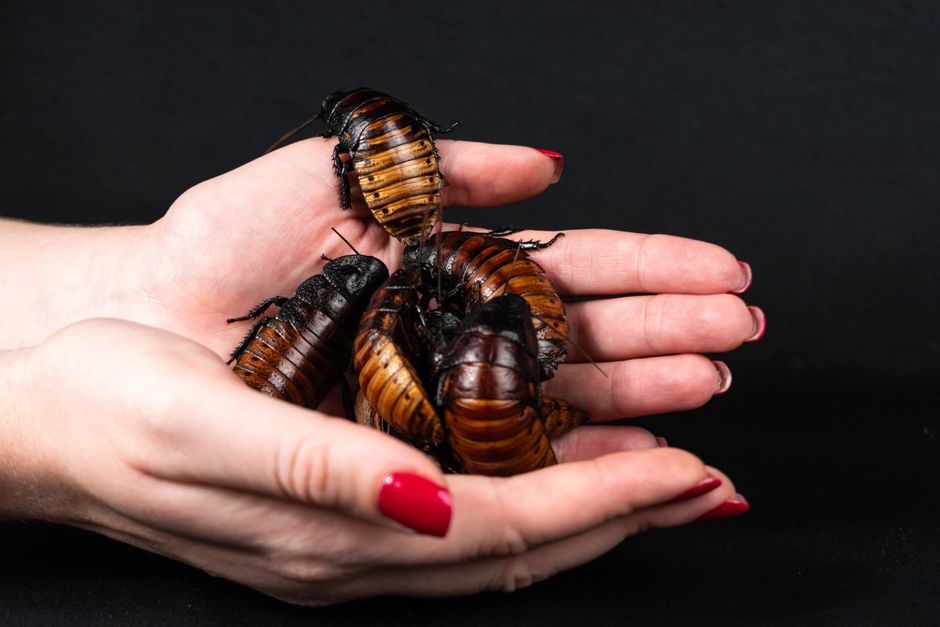
The ootheca is not just a passive container; it has evolved to protect the eggs from environmental hazards and predators. The outer shell is tough and resistant to desiccation, ensuring that the eggs remain viable in various conditions. This resilience makes cockroach infestations particularly challenging to control, as the eggs can survive even when adult populations are reduced.
Behavior Patterns of Cockroaches
Understanding the behavior patterns of cockroaches can help in identifying and controlling infestations. Cockroaches are nocturnal creatures, meaning they are most active during the night. They prefer to stay hidden during the day, emerging in the dark to forage for food and water. This behavior makes it difficult to spot them during routine inspections, as they tend to hide in cracks, crevices, and other secluded areas.
Cockroaches are also highly adaptable and can survive in a wide range of environments. They are known for their ability to thrive in both clean and dirty conditions, although they are more commonly found in areas with abundant food sources and moisture. Kitchens and bathrooms are particularly attractive to cockroaches due to the availability of food scraps and water.
Early Warning Signs of a Cockroach Infestation
Detecting a cockroach infestation early can make a significant difference in controlling their population. Here are some early warning signs to watch out for:
- Increased Sightings: If you start seeing cockroaches during the day, it may indicate a large infestation, as overcrowding can force them out of their hiding spots.
- Egg Cases in Unusual Places: Finding oothecae in areas like drawers, cupboards, or near food sources can be a sign of an active infestation.
- Shedding Skins: Cockroaches shed their skins multiple times as they grow. Finding these skins can indicate their presence.
- Grease Marks: Cockroaches leave behind greasy trails as they move, especially in areas where they are frequently active.
- Allergic Reactions: Some people may experience allergic reactions, such as sneezing or skin rashes, due to cockroach allergens in the home.
Step-by-Step DIY Treatment for Cockroach Egg Cases
While professional pest control services are often necessary for severe infestations, there are several DIY methods you can try to manage cockroach egg cases:
Identifying and Targeting Hotspots
Begin by thoroughly inspecting your home to identify hotspots where cockroaches are likely to lay their egg cases. Look in dark, damp areas such as under sinks, behind appliances, and in basement corners. Use a flashlight to examine these areas closely.
Natural Remedies for Cockroach Control
If you prefer natural methods, consider using diatomaceous earth or boric acid. These substances can be sprinkled in areas where cockroaches are active. Diatomaceous earth works by dehydrating the insects, while boric acid acts as a stomach poison. Both are effective but require careful application to avoid affecting pets and children.
Homemade Cockroach Baits
Creating homemade baits can be an effective way to control cockroach populations. Mix boric acid with sugar and flour to create a paste. The sugar attracts the cockroaches, while the boric acid acts as a poison. Place small amounts of the paste in areas where cockroaches are active, ensuring it is out of reach of pets and children.
Using Commercial Cockroach Traps
Commercial cockroach traps are readily available and can be used to monitor and reduce cockroach populations. Place these traps in strategic locations, such as along baseboards, under sinks, and near food storage areas. Check the traps regularly and replace them as needed.
Product Application Tips for Cockroach Control
When using insecticides and other pest control products, it’s essential to apply them correctly to maximize their effectiveness:
- Read the Label: Always read and follow the instructions on the product label. This ensures safe and effective use.
- Target Key Areas: Focus on areas where cockroaches are likely to hide or travel, such as cracks, crevices, and behind appliances.
- Use Baits Wisely: Place baits in areas where cockroaches are active, but avoid placing them near food preparation areas.
- Rotate Products: To prevent cockroaches from developing resistance, consider rotating between different types of insecticides.
- Monitor Results: After applying products, monitor the affected areas to assess their effectiveness and reapply if necessary.
Safety Precautions When Handling Pest Control Products
Safety should be a top priority when using pest control products. Here are some precautions to keep in mind:
- Wear Protective Gear: Use gloves and masks when handling chemicals to prevent skin contact and inhalation.
- Ventilate the Area: Ensure proper ventilation when applying insecticides indoors to reduce inhalation risks.
- Store Products Safely: Keep pest control products out of reach of children and pets, and store them in a cool, dry place.
- Avoid Contamination: Do not apply insecticides near food, dishes, or utensils to prevent contamination.
- Dispose of Containers Properly: Follow local regulations for disposing of empty containers and unused products.
Seasonal Activity of Cockroaches
Cockroach activity can vary with the seasons, and understanding these patterns can help in planning effective control measures:
During warmer months, cockroach activity tends to increase as they thrive in higher temperatures. This is the time when they are most active, breeding rapidly and seeking out food and water sources. In contrast, colder months may see a decrease in activity, but cockroaches will seek shelter indoors to escape the cold, making homes more susceptible to infestations.
To combat seasonal activity, it’s essential to maintain vigilance year-round. Regular inspections, combined with preventive measures, can help keep cockroach populations under control regardless of the season.
Prevention Strategies for Cockroach Infestations
Preventing a cockroach infestation is often easier than dealing with an existing one. Here are some strategies to help keep cockroaches out of your home:
- Seal Entry Points: Use caulk or weatherstripping to seal cracks and gaps around doors, windows, and utility pipes.
- Maintain Cleanliness: Regularly clean kitchen surfaces, floors, and appliances to remove food debris that attracts cockroaches.
- Reduce Moisture: Fix leaky faucets and pipes promptly, and use dehumidifiers in damp areas to reduce moisture levels.
- Limit Food Sources: Store food in airtight containers and avoid leaving pet food out overnight.
- Regular Inspections: Conduct routine inspections of your home to identify and address potential cockroach hotspots before they become a problem.
Common Homeowner Mistakes in Cockroach Control
Despite the best intentions, homeowners often make mistakes that can hinder cockroach control efforts. Here are some common pitfalls to avoid:
- Ignoring Early Signs: Failing to address early warning signs of an infestation can allow cockroach populations to grow unchecked.
- Overreliance on Sprays: While sprays can kill visible cockroaches, they may not reach hidden egg cases or nests, allowing the infestation to persist.
- Inconsistent Efforts: Inconsistent cleaning and maintenance can provide cockroaches with the resources they need to thrive.
- Improper Use of Baits: Placing baits in the wrong locations or using them incorrectly can reduce their effectiveness.
- Neglecting Long-Term Solutions: Focusing solely on immediate results without implementing long-term prevention strategies can lead to recurring infestations.
Understanding the Cockroach Life Cycle
To effectively combat cockroach infestations, it’s important to understand their life cycle. Cockroaches undergo three main stages of development: egg, nymph, and adult. The egg stage is protected by the ootheca, which hatches into nymphs. Nymphs resemble smaller versions of adult cockroaches and undergo several molts before reaching maturity. This process can take anywhere from a few weeks to several months, depending on the species and environmental conditions.
By understanding the life cycle, homeowners can better target their control efforts to disrupt the reproductive process and reduce cockroach populations over time.
Step-by-Step Prevention Checklist
Preventing cockroach infestations requires vigilance and regular maintenance. Follow this checklist to minimize the risk of cockroaches taking up residence in your home:
- Seal Entry Points: Inspect your home for cracks and gaps, especially around doors, windows, and pipes. Use caulk or weather stripping to seal these entry points.
- Maintain Cleanliness: Regularly clean kitchen counters, dining areas, and floors. Ensure food crumbs and spills are promptly cleaned up.
- Store Food Properly: Keep food in airtight containers and avoid leaving pet food out overnight.
- Regular Garbage Disposal: Empty trash cans frequently and use bins with tight-fitting lids to prevent attracting cockroaches.
- Fix Leaks: Repair any plumbing leaks and reduce moisture in bathrooms and kitchens, as cockroaches are attracted to water sources.
- Declutter: Remove piles of newspapers, boxes, and other clutter that can provide hiding spots for cockroaches.
- Inspect Packages: Check groceries and other packages for cockroaches before bringing them into your home.
- Regular Inspections: Conduct monthly inspections of common cockroach hiding spots, such as under sinks and behind appliances.
Signs the Infestation is Getting Worse
It’s crucial to recognize when a cockroach infestation is worsening so you can take timely action. Here are signs that the problem is escalating:
- Increased Sightings: Seeing cockroaches during the day can indicate a large population, as they are typically nocturnal.
- More Egg Cases: Finding numerous egg cases (oothecae) suggests that cockroaches are breeding and the infestation is growing.
- Unpleasant Odor: A strong, musty smell can be a sign of a large infestation, as cockroaches emit a distinctive odor.
- Droppings: An increase in droppings, which resemble coffee grounds or black pepper, can indicate a growing population.
- Damage to Materials: Finding chew marks on food packaging, books, or other materials can be a sign of a worsening infestation.
What Professional Treatment Involves
Professional pest control services offer comprehensive solutions for cockroach infestations. Here’s what you can expect from a professional treatment:
- Inspection: A thorough inspection of your home to identify the extent of the infestation and locate entry points and breeding sites.
- Treatment Plan: Development of a customized treatment plan that may include baits, insecticides, and traps tailored to the specific infestation.
- Application: Application of safe and effective products by trained technicians, targeting both adult cockroaches and their eggs.
- Follow-Up Visits: Scheduled follow-up visits to assess the effectiveness of the treatment and make necessary adjustments.
- Advice on Prevention: Guidance on preventive measures to reduce the likelihood of future infestations.
Myths vs Facts
Understanding the truth about cockroaches can help you manage infestations more effectively. Here are some common myths and the facts:
- Myth: Cockroaches only infest dirty homes.
Fact: While cleanliness helps, cockroaches can invade any home in search of food, water, and shelter. - Myth: Cockroaches can survive a nuclear explosion.
Fact: While resilient, cockroaches are not immune to extreme conditions such as nuclear blasts. - Myth: DIY methods are always effective.
Fact: DIY methods can be helpful, but severe infestations often require professional intervention. - Myth: Cockroaches only live in urban areas.
Fact: Cockroaches can thrive in both urban and rural environments.
How Long Treatment Takes
The duration of cockroach treatment varies depending on the severity of the infestation and the methods used. Here’s a general timeline:
- Initial Treatment: This typically takes 1-2 hours, depending on the size of the area and the level of infestation.
- Effectiveness: You may notice a reduction in cockroach activity within a few days, but complete eradication can take several weeks.
- Follow-Up: Follow-up treatments are often scheduled 2-4 weeks after the initial treatment to ensure all cockroaches are eliminated.
- Monitoring: Ongoing monitoring and maintenance treatments may be necessary for severe infestations to prevent recurrence.
❓ Frequently Asked Questions
What do cockroach egg cases look like?
Cockroach egg cases, also known as oothecae, are typically brown or dark brown and resemble small, elongated capsules. They can measure about 1/4 to 1 inch long and may contain up to 40 eggs. You might find them in hidden areas like behind appliances, in cabinets, or under sinks.
How can I identify cockroach egg cases in my home?
To identify cockroach egg cases, look for small, oval-shaped, shiny brown cases in dark, warm areas of your home. They may be found near food sources or in damp places. If you see these cases, it’s a sign that you may have a cockroach infestation.
How do I destroy cockroach egg cases effectively?
To destroy cockroach egg cases, first, locate them in your home and use a vacuum cleaner to remove them. After vacuuming, dispose of the vacuum bag or empty the canister outside to prevent re-infestation. Additionally, you can use a mixture of soap and water to spray the area, ensuring any remaining eggs are killed.
What should I do if I find cockroach egg cases in my kitchen?
If you find cockroach egg cases in your kitchen, take immediate action by cleaning the area thoroughly and removing any food sources. Vacuum the egg cases and dispose of them properly. Consider implementing preventive measures, such as sealing cracks and crevices and maintaining cleanliness, to avoid future infestations.
Are cockroach egg cases harmful to humans?
Cockroach egg cases themselves are not harmful to humans, but they indicate an infestation that can lead to health issues. Cockroaches can carry allergens and pathogens that may affect your health. It’s important to address the infestation promptly to protect your home and family.
Not ready to call? Get free competitive quotes.
🛒 What to Buy: DIY Treatment Products
Professional-grade products — the same ones exterminators use, available without a license.
The same gel pros use — roaches carry it back and wipe out the whole colony.
View Product →
Upgraded formula with an irresistible bait matrix — faster knockdown on tough populations.
View Product →
Silica dust that kills on contact — apply in wall voids and cracks for up to 10 years of residual control.
View Product →
If the infestation is severe or beyond DIY control, see the professional option below.
Compare top-rated local pest control pros — it’s free.
Related Reading
Not Sure What Bug You Found?
Upload a photo to our free AI Pest Identifier. Get an instant ID, severity rating, and step-by-step treatment plan — no account required.
🔍 Identify My Pest Free →