
The Science Behind Pesticides
Pesticides are formulated to target specific biological processes in pests, disrupting their life cycles and ultimately leading to their demise. Understanding the science behind these chemicals can help you appreciate why reading the label is crucial. For instance, insecticides might target the nervous system of insects, while herbicides could inhibit essential enzymes in plants. Knowing the mode of action can also guide you in selecting the right product for your pest problem.
Short on time? Find out what pest you have right now — free.
Use our free AI Pest ID tool, then come back to read the full treatment guide.
Types of Pesticides
Pesticides are categorized based on the type of pest they control:
- Insecticides: Target insects and other arthropods.
- Herbicides: Used to eliminate unwanted plants or weeds.
- Fungicides: Combat fungal infections in plants.
- Rodenticides: Designed to kill rodents like mice and rats.
- Bactericides: Used to kill bacteria.
Signal Words and Their Significance
Signal words on pesticide labels—such as “Caution,” “Warning,” and “Danger”—are not just arbitrary terms. They indicate the acute toxicity level of the product:
- Caution: Indicates the lowest level of toxicity. Products with this label are relatively safer to use but still require careful handling.
- Warning: Suggests a moderate level of toxicity. These products pose a higher risk and necessitate more stringent safety measures.
- Danger: Denotes high toxicity. Extreme caution is required, and these products should be used only when absolutely necessary.
Early Warning Signs of Pest Infestation
Before reaching for a pesticide, it’s important to recognize early warning signs of pest infestations. This proactive approach can help you choose the most appropriate treatment method:
- Physical Damage: Chewed leaves, gnawed wood, or holes in fabrics can indicate pest presence.
- Droppings: Finding droppings is a clear sign of rodent or insect activity.
- Unusual Sounds: Scratching noises in walls or ceilings often point to rodents.
- Odors: Some pests, like mice or cockroaches, emit distinctive odors.
- Visible Pests: Spotting the pests themselves is the most direct sign of an infestation.
DIY Pesticide Application Techniques
Step-by-Step Application Process
Applying pesticides correctly is vital for effectiveness and safety. Here’s a step-by-step guide:
- Identify the Pest: Confirm the type of pest you’re dealing with to select the appropriate pesticide.
- Read the Label: Thoroughly review the label for specific application instructions and safety precautions.
- Prepare the Area: Remove items that could be contaminated, and ensure the area is well-ventilated.
- Mix the Pesticide: If required, mix the pesticide according to label instructions, using precise measurements.
- Apply the Pesticide: Use the recommended application method, whether it’s spraying, baiting, or dusting.
- Monitor the Area: After application, monitor the area for effectiveness and reapply if necessary, following the label’s reapplication guidelines.
Safety Precautions During Application
Safety should always be a priority when handling pesticides:
- Protective Gear: Wear gloves, masks, and goggles to prevent exposure.
- Avoid Contamination: Keep food and water sources covered and away from treated areas.
- Children and Pets: Ensure children and pets are kept away from treated areas until it’s safe.
- Ventilation: Ensure proper ventilation during indoor applications to avoid inhaling fumes.
Seasonal Pest Activity
Pest activity can vary significantly with the seasons, influencing when and how you should apply pesticides:
- Spring: Many pests emerge from hibernation. This is a good time for preventative treatments.
- Summer: Insects like mosquitoes and ants are most active. Regular monitoring and treatment may be necessary.
- Fall: Rodents often seek shelter indoors as temperatures drop, increasing the need for rodent control.
- Winter: While pest activity is lower, some pests may still be active indoors, requiring occasional treatment.
Common Homeowner Mistakes
Even with the best intentions, homeowners can make mistakes when using pesticides. Here are some common pitfalls to avoid:
- Overapplication: Using more pesticide than recommended can harm plants and beneficial insects and lead to resistance.
- Ignoring Reapplication Intervals: Failing to adhere to reapplication timelines can reduce effectiveness and increase risks.
- Improper Storage: Storing pesticides in unsuitable conditions can degrade their efficacy and pose safety hazards.
- Inadequate Pest Identification: Misidentifying the pest can lead to ineffective treatment and wasted resources.
Prevention Strategies
Preventing pest infestations is often more effective and safer than treating them. Here are some strategies to consider:
- Seal Entry Points: Close gaps and cracks in walls, windows, and doors to prevent pests from entering.
- Maintain Cleanliness: Regularly clean and declutter to minimize hiding spots and food sources for pests.
- Yard Maintenance: Keep your yard tidy by trimming vegetation and removing debris where pests might nest.
- Proper Waste Management: Secure trash bins and dispose of waste regularly to avoid attracting pests.
Understanding Pesticide Resistance
Pesticide resistance is a growing concern in pest management. It occurs when a pest population becomes less susceptible to a pesticide, often due to overuse or incorrect application. To combat resistance:
- Rotate Pesticides: Use different classes of pesticides to prevent pests from developing resistance.
- Integrated Pest Management (IPM): Combine chemical treatments with biological and cultural control methods.
- Spot Treatments: Apply pesticides only to affected areas to reduce overall chemical use.
Environmental Impact of Pesticides
Pesticides can have significant environmental impacts if not used responsibly. They can contaminate soil, water, and non-target organisms. To minimize environmental harm:
- Follow Label Instructions: Adhere to recommended application rates and methods.
- Buffer Zones: Establish buffer zones around water bodies to prevent contamination.
- Selective Pesticides: Choose pesticides that target specific pests, reducing harm to beneficial organisms.
Reading Between the Lines: Hidden Label Information
Beyond the obvious sections, pesticide labels often contain additional information that can be crucial for safe and effective use:
- First Aid Instructions: These provide guidance on what to do in case of accidental exposure.
- Manufacturer’s Contact Information: Useful for inquiries about the product or in case of an emergency.
- Batch Number: Important for tracking the product in case of recalls or issues.
Step-by-Step Prevention Checklist
Preventing pest infestations is a crucial part of maintaining a healthy home environment. By following a systematic prevention checklist, homeowners can reduce the likelihood of pests becoming a problem. Here’s a detailed step-by-step guide to help you keep pests at bay:
- Inspect Entry Points: Regularly check doors, windows, and foundations for cracks and gaps. Seal any openings with caulk or weatherstripping to prevent pests from entering.
- Maintain Cleanliness: Keep kitchens and dining areas free of crumbs and spills. Regularly clean under appliances and in corners where food particles may accumulate.
- Proper Food Storage: Store food in airtight containers. This applies to pet food as well, which can attract pests if left exposed.
- Manage Waste: Use trash cans with tight-fitting lids and dispose of garbage regularly. Clean bins frequently to avoid odors and residue that attract pests.
- Control Moisture: Fix leaky pipes and faucets promptly. Ensure that gutters and downspouts direct water away from the house to prevent damp conditions that attract pests.
- Yard Maintenance: Trim shrubs and trees away from the house. Remove leaf litter and debris that can harbor pests.
- Monitor for Signs: Regularly inspect your home for signs of pest activity, such as droppings, nests, or gnaw marks.
- Use Natural Deterrents: Consider planting pest-repelling herbs like mint, basil, or lavender around entry points.
Signs the Infestation is Getting Worse
Recognizing the signs of a worsening pest infestation can help you take timely action. Here are indicators that pests may be gaining a foothold in your home:
- Increased Pest Sightings: If you notice more frequent sightings of pests, especially during the day, it may indicate a growing population.
- Damage to Structures: Look for new holes in walls, chewed wires, or gnawed wood, as these are signs of increased pest activity.
- Unpleasant Odors: A strong, musty odor can indicate a large infestation, particularly if it’s localized in specific areas of the home.
- More Droppings: An increase in the number of droppings or their size can signify a larger or growing infestation.
- Noise: Scratching or scurrying sounds in walls, ceilings, or floors usually indicate rodent activity.
- Nesting Signs: Discovering nests or shredded materials used for nesting is a clear indicator of a worsening situation.
Safety Precautions During Pesticide Storage
Proper storage of pesticides is vital to ensure safety and effectiveness. Here are key precautions to take when storing pesticides:
- Original Containers: Always keep pesticides in their original containers with labels intact to prevent accidental misuse.
- Secure Location: Store pesticides in a locked cabinet or shed, out of reach of children and pets.
- Temperature Control: Avoid storing pesticides in extreme temperatures. High heat or freezing conditions can degrade their effectiveness.
- Avoid Contamination: Store pesticides away from food, feed, and water sources to prevent contamination.
- Proper Disposal: Follow local regulations for disposing of unused or expired pesticides. Never pour them down the drain or into the soil.
What Professional Treatment Involves
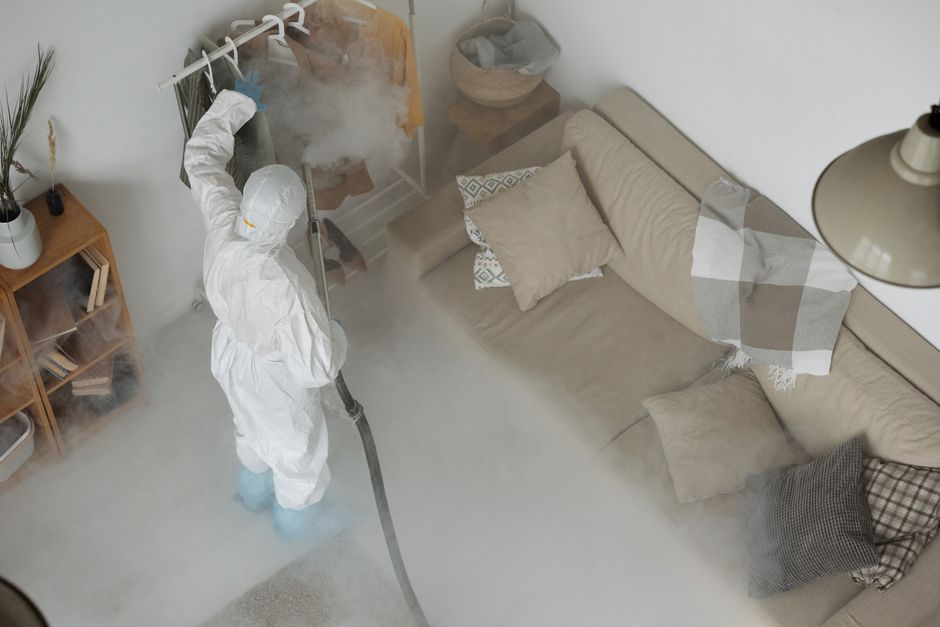
Professional pest control services offer comprehensive solutions that go beyond DIY methods. Here’s what you can expect from a professional treatment:
- Initial Inspection: A thorough inspection of your property to identify the type of pest and the extent of the infestation.
- Customized Plan: Development of a tailored pest control plan based on the specific needs of your home and the type of pests present.
- Advanced Treatments: Use of advanced techniques and products that may not be available to the general public, ensuring more effective results.
- Integrated Pest Management (IPM): Implementation of IPM strategies that focus on long-term prevention and minimal environmental impact.
- Follow-up Visits: Scheduled follow-up visits to monitor the situation and apply additional treatments if necessary.
- Education and Advice: Professionals provide advice on preventing future infestations and maintaining a pest-free environment.
Cost Comparison: DIY vs Professional Treatment
When dealing with pest infestations, cost is a significant factor in deciding between DIY and professional treatment. Here’s a breakdown of potential costs:
- DIY Costs: Purchasing pesticides and related equipment can range from $20 to $200, depending on the severity of the infestation and the products required.
- Professional Costs: Initial professional pest control services can range from $100 to $500, with potential ongoing maintenance fees of $50 to $150 per visit.
- Long-term Savings: While DIY methods may seem cheaper initially, ineffective treatments can lead to recurring infestations, increasing long-term costs. Professional services may offer warranties or guarantees that provide more value over time.
Myths vs Facts About Pest Control
There are many misconceptions about pest control that can lead to ineffective practices. Here are some common myths and the facts that dispel them:
- Myth: Ultrasonic repellents are effective for all pests.
Fact: While they may deter some pests, their effectiveness is limited and not a substitute for comprehensive pest control measures. - Myth: Natural remedies are always safer and more effective.
Fact: Natural remedies can be part of an integrated approach but may not be as effective alone, especially for severe infestations. - Myth: Pests will leave on their own if the home is clean.
Fact: Cleanliness helps prevent infestations but does not guarantee pests will leave once they have established themselves. - Myth: All pests die in the winter.
Fact: Many pests seek shelter indoors during colder months, making winter a prime time for infestations to worsen.
How Long Treatment Takes
The duration of pest control treatment varies depending on the type and extent of the infestation. Here’s a general timeline for different scenarios:
- Initial Treatment: Most professional treatments take between 1 to 2 hours per session, depending on the size of the property and the severity of the infestation.
- Follow-up Treatments: These may be required every 2 to 4 weeks initially, especially for severe infestations, to ensure complete eradication.
- Long-term Maintenance: For ongoing prevention, quarterly or biannual treatments are common, each lasting 1 to 2 hours.
- DIY Treatments: These can vary widely, but typically require more frequent application, often weekly, to maintain effectiveness.
What to Do If DIY Fails
If your DIY pest control efforts are not yielding the desired results, consider the following steps:
- Reassess Your Approach: Review the methods and products you have used. Ensure that they are appropriate for the type of pest and that you are following instructions correctly.
- Identify New Entry Points: Conduct a thorough inspection to identify any new or missed entry points that pests may be using.
- Increase Frequency: Sometimes, increasing the frequency of application can help, especially with natural or less potent products.
- Consult Resources: Utilize online resources or community forums to gain insights from others who have faced similar issues.
- Consider Professional Help: If all else fails, it may be time to consider professional pest control services to address the problem effectively.
❓ Frequently Asked Questions
What information should I look for when learning how to read a pesticide label?
When learning how to read a pesticide label, focus on key sections such as the product name, active ingredients, usage instructions, and safety precautions. These sections provide essential information on how to safely and effectively use the product while minimizing risks to yourself and the environment.
How can I avoid dangerous mistakes when using pesticides?
To avoid dangerous mistakes when using pesticides, always read the label thoroughly before application. Pay attention to the recommended dosage, application methods, and any specific safety gear you should wear to protect yourself and others.
Why is it important to follow the instructions on a pesticide label?
Following the instructions on a pesticide label is crucial because it ensures that you are using the product safely and effectively. Incorrect usage can lead to ineffective pest control, harm to beneficial insects, or even health risks for you and your family.
What should I do if I have questions about how to read a pesticide label?
If you have questions about how to read a pesticide label, consider reaching out to your local extension office or a pest control professional for guidance. They can provide valuable insights and help clarify any confusing terms or instructions on the label.
Can I use pesticides indoors and outdoors based on the label instructions?
Yes, you can use pesticides indoors and outdoors, but it’s essential to check the label for specific instructions regarding each environment. Some products are designed for outdoor use only, while others may have restrictions on indoor applications to ensure safety.
Not ready to call? Get free competitive quotes.
Compare top-rated local pest control pros — it’s free.
Related Reading
🔍 Dealing with a pest problem? Get a free AI identification →
Not Sure What Bug You Found?
Upload a photo to our free AI Pest Identifier. Get an instant ID, severity rating, and step-by-step treatment plan — no account required.
🔍 Identify My Pest Free →