
In-Depth Pest Biology and Behavior
Understanding the biology and behavior of pests is essential for effective natural pest control. Different pests have unique life cycles, feeding habits, and habitat preferences that can influence their presence in your home. For example, cockroaches are nocturnal and prefer dark, damp environments, while termites are attracted to wood and can cause significant structural damage if left unchecked.
Short on time? Find out what pest you have right now — free.
Use our free AI Pest ID tool, then come back to read the full treatment guide.
Many pests, such as mosquitoes and ticks, are vectors for diseases, making it crucial to control their populations. Mosquitoes breed in stagnant water, so eliminating standing water around your home can significantly reduce their numbers. Ticks, on the other hand, thrive in wooded or grassy areas, so maintaining a well-manicured lawn can help keep them at bay.
Some pests, like bed bugs, are notorious for their resilience and ability to hide in small crevices. Understanding their behavior, such as their tendency to hitchhike on luggage or clothing, can help you take preventative measures when traveling or bringing second-hand furniture into your home.
Advanced Early Warning Signs of Pest Infestations
Detecting pest infestations early can prevent extensive damage and health risks. In addition to the common signs, here are some advanced indicators to watch for:
- Grease Marks: Rodents often leave greasy smudges along walls and baseboards from their oily fur.
- Discarded Wings: Termites shed their wings after swarming, often found near windowsills or entry points.
- Frass: This is a term for insect droppings, such as the sawdust-like material left by wood-boring insects like termites.
- Webbing: Spiders and some pantry pests leave behind webbing, which can indicate their presence.
- Dead Insects: Finding dead insects near windows or in basements can signal an infestation.
Comprehensive DIY Natural Pest Control Techniques
Using Borax and Sugar for Ant Control
Borax is a natural mineral that can be used to control ants effectively. Here’s how to create a borax-based bait:
- Mix 1/2 cup of sugar with 1 1/2 tablespoons of borax and 1 1/2 cups of warm water until dissolved.
- Soak cotton balls in the solution and place them near ant trails or entry points.
- Replace the cotton balls every few days to maintain effectiveness.
Neem Oil for Garden Pests
Neem oil is a natural insecticide that can control a variety of garden pests. To use neem oil:
- Mix 2 tablespoons of neem oil with 1 gallon of water and a few drops of dish soap.
- Spray the solution on affected plants, covering both the tops and undersides of leaves.
- Reapply every 7-14 days, especially after rain.
Using Baking Soda for Cockroach Control
Baking soda is a safe and effective way to control cockroaches. Here’s how to use it:
- Mix equal parts baking soda and sugar, and sprinkle the mixture in areas where cockroaches are active.
- The sugar attracts the cockroaches, while the baking soda reacts with their stomach acid, killing them.
- Reapply the mixture as needed, especially after cleaning.
Detailed Safety Precautions for Natural Pest Control Methods
While natural pest control methods are generally safer than chemical alternatives, it’s important to follow safety guidelines to protect yourself and your family:
- Store all pest control substances, including diatomaceous earth and essential oils, in labeled containers out of reach of children and pets.
- When applying powders like diatomaceous earth, wear a dust mask and goggles to prevent inhalation and eye irritation.
- Test essential oil sprays on a small, inconspicuous area before widespread use to ensure they do not damage surfaces or cause allergic reactions.
- Ensure proper ventilation when using sprays or powders indoors to avoid respiratory issues.
Common Homeowner Mistakes and How to Avoid Them
Even with the best intentions, homeowners often make mistakes in pest control. Here are some pitfalls to avoid and tips for more effective pest management:
- Inconsistent Monitoring: Regularly inspect your home for signs of pests, even if you haven’t noticed any activity. Early detection is key to preventing infestations.
- Neglecting to Identify the Pest Correctly: Misidentifying a pest can lead to ineffective control methods. Take the time to accurately identify the pest before choosing a treatment strategy.
- Overlooking Outdoor Areas: Pests often originate from outdoor environments. Regularly inspect and maintain your yard, garden, and outdoor structures to prevent pests from entering your home.
- Using Too Much Product: More isn’t always better. Overapplying natural pest control products can be wasteful and potentially harmful to non-target species.
- Failing to Address Underlying Issues: Simply treating the symptoms of an infestation without addressing the root cause, such as moisture problems or food sources, will not provide long-term solutions.
Seasonal Pest Activity: Detailed Insights and Prevention
Different pests are active at different times of the year. Understanding their seasonal behaviors can help you implement targeted prevention strategies:
Spring
- Termites: Swarming season begins. Schedule a termite inspection and apply preventative treatments if necessary.
- Bees and Wasps: Begin building nests. Remove nests early in the season before they grow larger.
Summer
- Fleas: Peak activity due to warm temperatures. Treat pets with flea prevention and regularly vacuum carpets and upholstery.
- Stinging Insects: More active in search of food. Keep food and sugary drinks covered during outdoor activities.
Fall
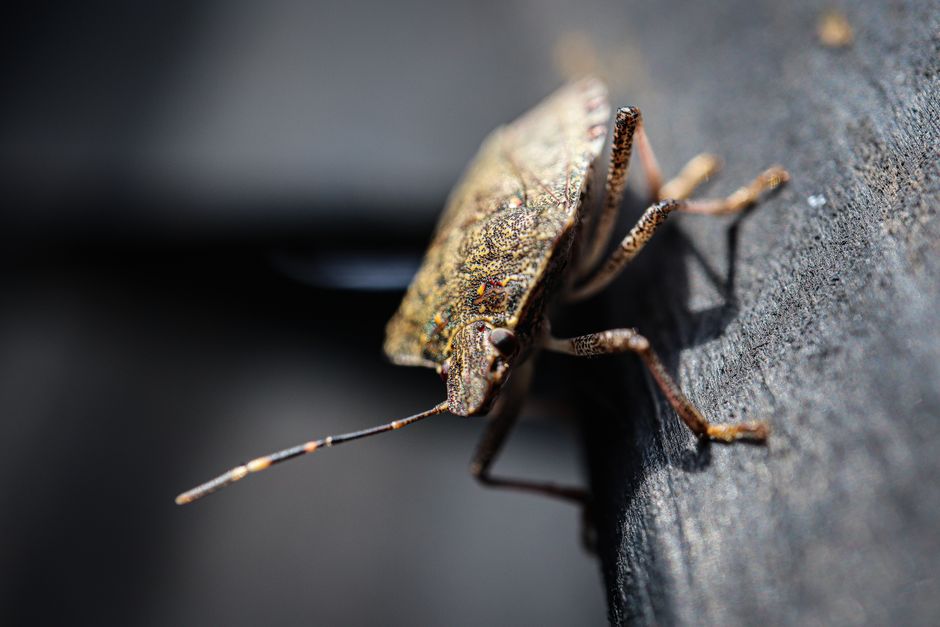
- Stink Bugs: Seek warmth indoors. Seal entry points and use traps to capture them.
- Boxelder Bugs: Congregate on sunny sides of buildings. Use a vacuum to remove them and seal cracks to prevent entry.
Winter
- Silverfish: Thrive in humid environments. Use dehumidifiers and store paper goods in sealed containers.
- Cluster Flies: Hibernate in attics and wall voids. Seal cracks and use fly traps to manage their numbers.
Long-Term Pest Control Prevention Strategies
Implementing long-term prevention strategies is crucial for maintaining a pest-free home. Here are some additional strategies to consider:
- Integrated Pest Management (IPM): Adopt an IPM approach that combines multiple control methods, such as biological, cultural, and mechanical strategies, to reduce pest populations sustainably.
- Natural Predators: Encourage beneficial insects, such as ladybugs and lacewings, in your garden to naturally control pest populations.
- Composting: Properly manage compost piles to prevent attracting pests. Turn the pile regularly and cover food scraps with brown materials.
- Water Management: Fix leaks promptly and ensure proper drainage around your home to reduce moisture levels that attract pests.
- Community Efforts: Work with neighbors to address pest issues collectively, as pests can easily move between properties.
Step-by-Step Prevention Checklist
Preventing pests from invading your home requires a strategic and consistent approach. Use this checklist to ensure your home remains pest-free:
- Inspect Entry Points: Regularly check for gaps, cracks, and holes in walls, windows, and doors. Seal these with caulk or weatherstripping.
- Maintain Cleanliness: Keep all areas of your home clean, focusing on kitchens and bathrooms. Regularly dispose of garbage and clean up crumbs and spills immediately.
- Store Food Properly: Use airtight containers for storing food. Avoid leaving pet food out overnight.
- Control Moisture: Fix leaky pipes and faucets. Use dehumidifiers in damp areas like basements and bathrooms.
- Regular Yard Maintenance: Trim bushes and trees away from the house. Remove debris and standing water from your yard.
- Check for Signs of Pests: Regularly inspect your home for droppings, nests, or any signs of pest activity.
- Use Natural Barriers: Plant herbs like mint and basil around entry points to deter pests naturally.
- Monitor Storage Areas: Keep storage areas organized and off the ground to prevent hiding spots for pests.
Signs the Infestation is Getting Worse
Recognizing the signs of a worsening infestation can help you take timely action. Here are indicators that the situation may be escalating:
- Increased Pest Sightings: Frequently seeing pests during the day can indicate a large infestation, as they are usually nocturnal.
- Damage to Property: Chewed wires, gnawed furniture, and holes in walls are strong signs of a severe infestation.
- Frequent Droppings: An increase in droppings or urine stains suggests a growing pest population.
- Unusual Odors: A strong, musty smell can be a sign of a significant pest presence.
- Nests or Burrows: Finding nests or burrows in hidden areas like basements or attics suggests pests are breeding in your home.
Safety Precautions
Ensuring safety while dealing with pests is crucial to protect yourself and your family. Follow these safety precautions:
- Wear Protective Gear: Use gloves, masks, and goggles when handling pest control substances or cleaning up droppings.
- Ventilation: Ensure proper ventilation when using any pest control products, even natural ones.
- Keep Products Out of Reach: Store all pest control products, including natural solutions, out of reach of children and pets.
- Follow Instructions: Carefully read and follow all instructions on pest control products to avoid misuse.
- First Aid Knowledge: Be prepared with basic first aid knowledge in case of accidental exposure.
What Professional Treatment Involves
Understanding what professional pest treatment entails can help you better prepare for the process. Here’s what to expect:
- Initial Inspection: Professionals will conduct a thorough inspection to identify the type and extent of the infestation.
- Customized Treatment Plan: Based on the findings, they will develop a tailored treatment plan targeting the specific pests.
- Use of Specialized Products: Professionals use EPA-approved pesticides and advanced equipment for effective pest eradication.
- Follow-Up Visits: They may schedule follow-up visits to ensure the pests are completely eradicated and to prevent future infestations.
- Education and Advice: Professionals often provide guidance on prevention techniques and how to maintain a pest-free environment.
Cost Comparison
Understanding the costs associated with pest control can help in budgeting and decision-making. Here’s a comparison between DIY and professional treatments:
- DIY Costs: Typically, DIY methods can range from $20 to $100, depending on the products and equipment purchased. However, these methods may require more frequent applications.
- Professional Treatment Costs: Professional pest control services can range from $150 to $500 per treatment, depending on the severity of the infestation and the type of pest. While more expensive upfront, they often provide longer-lasting results.
- Long-Term Savings: Investing in professional services can save money in the long run by preventing damage to property and reducing the need for repeated treatments.
Myths vs Facts
There are many misconceptions about pest control. Here are some common myths and the facts that debunk them:
- Myth: Clean homes don’t have pests. Fact: Pests can invade any home, regardless of cleanliness, in search of food, water, and shelter.
- Myth: Cheese is the best bait for mice. Fact: Mice prefer foods high in sugar and fat, like peanut butter or chocolate.
- Myth: Ultrasonic repellents are highly effective. Fact: There is limited scientific evidence supporting the effectiveness of ultrasonic pest repellents.
- Myth: DIY methods are always cheaper. Fact: While initially cheaper, ineffective DIY methods can lead to higher costs in the long run due to recurring infestations.
How Long Treatment Takes
The duration of pest control treatments can vary widely based on several factors. Here’s a general timeline for different scenarios:
- Initial Treatment: A typical pest control session can last from 30 minutes to a few hours, depending on the size of the area and the type of pests being treated.
- Follow-Up Treatments: Follow-up treatments are usually shorter, often lasting less than an hour, and are scheduled based on the pest’s lifecycle, typically every 1-3 months.
- Complete Eradication: Achieving full eradication may take several weeks to months, especially for pests with longer lifecycles like bed bugs or termites.
What to Do If DIY Fails
If your DIY pest control efforts are unsuccessful, consider these steps to reassess and improve your strategy:
- Reevaluate Methods: Analyze the methods you used and consider whether they were appropriate for the type of pest and severity of the infestation.
- Research Alternatives: Look into other natural remedies or techniques that may be more effective for your specific situation.
- Identify Mistakes: Consider if there were any mistakes in application or if environmental factors reduced the effectiveness of your efforts.
- Consult Resources: Use reliable resources such as university extension services or pest control forums for advice and new strategies.
❓ Frequently Asked Questions
What are some effective natural pest control methods?
There are several natural pest control methods that work well for homeowners. You can use essential oils like peppermint or tea tree oil to repel insects, or create barriers with diatomaceous earth to deter crawling pests. Additionally, maintaining cleanliness and sealing entry points can significantly reduce pest infestations.
Does natural pest control that works really eliminate pests?
Natural pest control that works can significantly reduce pest populations, but it may not always eliminate them completely. It’s important to combine methods, such as using traps, repellents, and preventive measures, to achieve the best results. Regular monitoring and adjustments to your strategy are key.
Are there any myths about natural pest control I should be aware of?
Yes, one common myth is that natural pest control methods are always safe and effective for all pests. While many natural solutions can be effective, some pests may require more targeted approaches. It’s essential to research specific pests and their behaviors to choose the right natural control methods.
How can I prevent pests naturally in my home?
To prevent pests naturally, start by keeping your home clean and free of food debris. Seal cracks and openings, store food in airtight containers, and use natural repellents like vinegar or citrus peels. Regularly inspect your home for signs of pests and address any issues promptly.
Is natural pest control that works safe for pets and children?
Many natural pest control methods are indeed safe for pets and children, but it’s crucial to use them correctly. Always read instructions and consider the sensitivities of your family members. For added safety, opt for non-toxic solutions and consult with a professional if you’re unsure.
Not ready to call? Get free competitive quotes.
Compare top-rated local pest control pros — it’s free.
Related Reading
Not Sure What Bug You Found?
Upload a photo to our free AI Pest Identifier. Get an instant ID, severity rating, and step-by-step treatment plan — no account required.
🔍 Identify My Pest Free →