Understanding Pharaoh Ant Biology and Behavior
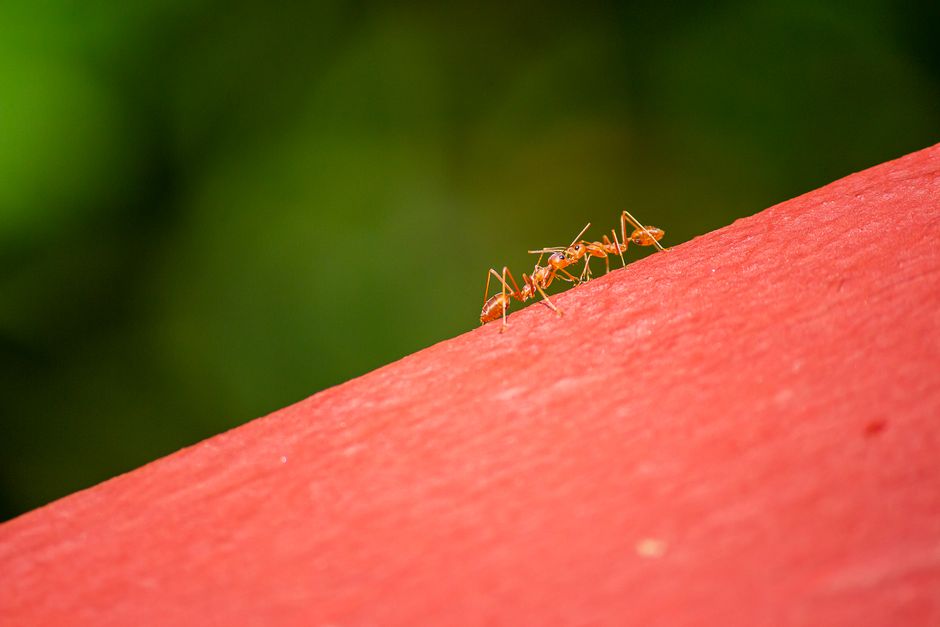
Pharaoh ants, scientifically known as Monomorium pharaonis, are among the most challenging household pests due to their complex social structure and adaptability. These ants are small, measuring only about 1/16 to 1/8 inch in length, and are characterized by their light yellow to reddish-brown coloration. This coloration allows them to blend seamlessly into their surroundings, making them difficult to detect.
Short on time? Find out what pest you have right now — free.
Use our free AI Pest ID tool, then come back to read the full treatment guide.
Pharaoh ants are social insects, living in large colonies that can contain thousands of individuals. Each colony is polygynous, meaning it can have multiple queens. This trait allows them to reproduce rapidly and establish new colonies quickly. When a colony becomes too large or is disturbed, it can undergo a process known as “budding,” where a group of workers and one or more queens leave to form a new colony. This behavior makes control efforts challenging, as disturbing a colony can inadvertently lead to the spread of the infestation.
Pharaoh Ant Feeding Habits
Pharaoh ants are omnivorous and have a preference for sweet and fatty foods. They are often found foraging in kitchens and pantries, where they contaminate food supplies. In hospitals, they are particularly problematic as they can spread pathogens by moving between sterile and contaminated areas. Their small size allows them to access food sources through tiny cracks and crevices, making them difficult to deter.
Early Warning Signs of Pharaoh Ant Infestations
Detecting a pharaoh ant infestation early can prevent a minor issue from becoming a major problem. Here are some early warning signs to watch for:
- Ant Trails: Pharaoh ants often travel in well-defined trails along walls, baseboards, and countertops. These trails are a clear indication of an active infestation.
- Increased Ant Activity: A sudden increase in ant sightings, particularly in areas where food is stored or prepared, can be a sign of a growing colony.
- Unusual Ant Behavior: If you notice ants behaving erratically or in larger numbers than usual, it may indicate a disturbance in the colony, such as budding.
- Presence of Winged Ants: Although rare, the presence of winged ants can indicate that a colony is mature and ready to reproduce.
DIY Pharaoh Ant Treatment Strategies
While professional pest control is often necessary for large infestations, there are several DIY strategies homeowners can employ to manage pharaoh ants:
1. Homemade Ant Baits
Creating homemade ant baits can be an effective way to control pharaoh ants. A simple bait can be made by mixing sugar with boric acid. Place the bait near ant trails, and the worker ants will carry it back to the colony, poisoning it over time. It’s important to use boric acid in low concentrations to ensure that the ants do not die before returning to the nest.
2. Natural Repellents
Natural repellents such as peppermint oil, vinegar, and citrus peels can deter ants from entering your home. Wipe down surfaces with a mixture of vinegar and water, or place citrus peels near entry points to disrupt ant trails. While these methods may not eliminate an infestation, they can help reduce ant activity.
3. Diatomaceous Earth
Diatomaceous earth is a natural powder that can be sprinkled around entry points and along ant trails. It works by dehydrating the ants, leading to their death. Ensure that you use food-grade diatomaceous earth and apply it in dry areas, as moisture reduces its effectiveness.
Professional-Grade Products and Application Tips
For more persistent infestations, professional-grade products may be necessary. Here are some tips for using these products effectively:
1. Ant Bait Stations
Commercial ant bait stations are designed to attract and poison ants. Place these stations near ant trails and in areas where ants are frequently seen. Monitor the bait stations regularly and replace them as needed. It’s crucial to avoid using sprays near bait stations, as this can repel ants and reduce the effectiveness of the bait.
2. Insect Growth Regulators (IGRs)
IGRs are chemicals that interfere with the growth and reproduction of insects. When used in conjunction with baits, they can help control pharaoh ant populations by preventing the development of new workers and queens. Apply IGRs according to the manufacturer’s instructions, focusing on areas where ants are active.
3. Residual Insecticides
Residual insecticides can be applied to cracks, crevices, and other entry points to kill ants on contact. These products provide long-lasting protection but should be used with caution, especially in areas where food is prepared or stored. Always follow safety guidelines and label instructions when using insecticides.
Safety Precautions When Handling Ant Control Products
Safety is paramount when dealing with pest control products. Here are some precautions to take:
- Read Labels Carefully: Always read and follow the instructions on product labels to ensure safe and effective use.
- Wear Protective Gear: Use gloves, masks, and protective eyewear when handling chemicals to prevent skin and eye irritation.
- Keep Products Out of Reach of Children and Pets: Store all pest control products in a secure location to prevent accidental ingestion or exposure.
- Ventilate Treated Areas: Ensure adequate ventilation when applying sprays or powders to reduce inhalation risks.
Seasonal Activity and Pharaoh Ant Control
Pharaoh ants are active year-round, but their activity may increase during warmer months. Understanding their seasonal patterns can help in planning control measures:
- Spring and Summer: Increased temperatures and humidity can lead to heightened ant activity as colonies expand. Regular inspections and baiting are crucial during these months.
- Fall and Winter: While activity may decrease, indoor infestations can persist due to the ants’ preference for warm environments. Continue monitoring and maintaining preventive measures.
Common Mistakes in Pharaoh Ant Control
Homeowners often make mistakes that can hinder their efforts to control pharaoh ants. Here are some common pitfalls to avoid:
- Using Sprays Near Baits: Spraying insecticides near bait stations can repel ants, preventing them from taking the bait back to the colony.
- Disturbing Colonies: Attempting to destroy a colony physically can cause it to bud, leading to multiple new colonies.
- Ignoring Entry Points: Failing to seal cracks and crevices allows ants to continue entering your home.
- Inconsistent Monitoring: Regularly check bait stations and ant activity to assess the effectiveness of your control measures.
Long-Term Prevention Strategies
To prevent future infestations, consider implementing these long-term strategies:
- Regular Inspections: Conduct routine inspections of your home to identify and address potential entry points and nesting sites.
- Maintain Cleanliness: Keep kitchens and dining areas clean and free of food debris to reduce attractants.
- Proper Food Storage: Store food in airtight containers to prevent access by ants.
- Yard Maintenance: Trim vegetation and remove debris from around your home to reduce outdoor nesting opportunities.
- Moisture Control: Fix leaks and address moisture issues to eliminate attractive environments for ants.
By understanding the biology and behavior of pharaoh ants, employing effective treatment strategies, and maintaining preventive measures, homeowners can successfully manage and prevent infestations of these persistent pests.
Common Mistakes Homeowners Make in Pharaoh Ant Control
Despite best intentions, homeowners often make critical errors when attempting to control Pharaoh ant infestations. Understanding these common pitfalls can help prevent exacerbating the problem.
- Using Contact Sprays: Many homeowners resort to contact insecticides, which can cause the colony to fragment and bud into multiple nests, worsening the infestation.
- Inconsistent Baiting: Baiting must be consistent and persistent. Sporadic bait application can lead to partial control, allowing the colony to recover and expand.
- Ignoring Food Sources: Failing to eliminate accessible food sources can undermine control efforts. Pharaoh ants are opportunistic feeders, so all potential food should be sealed and stored properly.
- Overlooking Water Sources: Pharaoh ants require moisture to thrive. Ignoring leaks or areas of condensation can sustain ant populations even in the absence of food.
Step-by-Step Prevention Checklist
Preventing a Pharaoh ant infestation requires diligence and attention to detail. Follow this checklist to minimize the risk of an infestation:
- Seal Entry Points: Inspect and seal cracks and crevices around windows, doors, and foundations to prevent ants from entering the home.
- Maintain Cleanliness: Regularly clean kitchen surfaces, floors, and pantry areas to remove crumbs and spills that attract ants.
- Store Food Properly: Keep food in airtight containers and ensure pet food is not left out overnight.
- Eliminate Moisture: Repair leaks and use dehumidifiers in damp areas to reduce moisture levels that attract ants.
- Regular Inspections: Conduct routine inspections of your home’s perimeter and interior for signs of ant activity and take immediate action if detected.
Signs the Infestation is Getting Worse
Recognizing the signs of a worsening infestation can help you take timely action. Look for these indicators:
- Increased Ant Activity: A noticeable increase in ant sightings, especially in new areas of the home, suggests a growing infestation.
- Multiple Nests: Discovering ants in multiple locations indicates colony budding, a common response to inadequate control measures.
- Food Contamination: Finding ants in food storage areas or inside containers is a sign that they are actively foraging and may have established nests nearby.
- Persistent Trails: Continuous ant trails, even after treatment efforts, suggest the presence of a large or multiple colonies.
Safety Precautions During Pharaoh Ant Treatment
While treating Pharaoh ant infestations, it is crucial to prioritize safety to protect yourself, your family, and pets from exposure to potentially harmful substances.
- Read Labels Carefully: Always follow the manufacturer’s instructions and safety guidelines when using chemical treatments.
- Wear Protective Gear: Use gloves, masks, and eye protection when handling or applying insecticides to avoid skin contact and inhalation.
- Ventilate Treated Areas: Ensure adequate ventilation during and after treatment to disperse fumes and reduce inhalation risks.
- Keep Children and Pets Away: Restrict access to treated areas until the products have dried or as recommended by the product label.
What Professional Treatment Involves
Professional treatment for Pharaoh ants involves a comprehensive approach that targets the entire colony, ensuring effective control and prevention of future infestations.
- Thorough Inspection: Professionals conduct a detailed inspection to locate nests and determine the extent of the infestation.
- Integrated Pest Management (IPM): This approach combines multiple control methods, including baiting, chemical treatments, and exclusion techniques, for effective management.
- Customized Treatment Plans: Based on the inspection, a tailored treatment plan is developed to address the specific needs of the property and infestation.
- Monitoring and Follow-Up: Professionals provide ongoing monitoring and follow-up visits to ensure the infestation is completely eradicated and to prevent recurrence.
Cost Comparison: DIY vs. Professional Treatment
When considering Pharaoh ant control, it’s important to weigh the costs of DIY methods against professional treatment options.
- DIY Costs: Homeowners may spend $20 to $100 on various baits, traps, and insecticides, but these costs can add up if multiple treatments are needed due to ineffective control.
- Professional Treatment Costs: Professional services typically range from $150 to $500, depending on the severity of the infestation and the size of the property. While initially more expensive, professional treatment can be more cost-effective in the long run due to its comprehensive approach and higher success rate.
Myths vs. Facts About Pharaoh Ants
Misconceptions about Pharaoh ants can lead to ineffective control measures. Here are some common myths and the facts that debunk them:
- Myth: Pharaoh ants can be eliminated with a single treatment.
Fact: Due to their complex colony structure, multiple treatments and ongoing management are often necessary. - Myth: All ants in the home are Pharaoh ants.
Fact: Many ant species can invade homes, and proper identification is crucial for effective control. - Myth: Ant sprays are the best solution for immediate results.
Fact: Sprays can cause colony fragmentation, making baits and integrated management more effective long-term solutions.
How Long Treatment Takes
The duration of Pharaoh ant treatment can vary depending on the severity of the infestation and the methods used. Here’s what to expect:
- Baiting Programs: These can take several weeks to months to fully eradicate a colony, as baits need time to be carried back to the nest and affect the entire colony.
- Professional Treatments: Initial results may be seen within a few days, but complete eradication often requires multiple visits over a period of weeks to ensure all colonies are addressed.
- Monitoring Period: Even after visible ants are gone, monitoring should continue for several months to prevent re-infestation and ensure all colonies have been eliminated.
What to Do if DIY Fails
If DIY efforts do not resolve the Pharaoh ant infestation, it’s important to reassess your approach and consider alternative strategies:
- Re-evaluate Bait Placement: Ensure baits are placed in areas of high ant activity and are not contaminated by other substances that might repel ants.
- Check for Additional Entry Points: Inspect the home for overlooked entry points that ants might be using to access food and water.
- Consider Professional Help: If DIY methods continue to fail, a professional pest control service can provide an integrated approach and more potent solutions tailored to your specific situation.
- Maintain Preventive Measures: Continue with preventive practices to minimize the risk of future infestations, such as sealing entry points and maintaining cleanliness.
🛒 What to Buy: DIY Treatment Products
Professional-grade products — the same ones exterminators use, available without a license.
Kills carpenter, Argentine, odorous house, and most household ant species — colony-wide control.
View Product →
Pro Tip: Apply the gel in small, pea-sized dots in areas where you see ant activity, and avoid disturbing the bait for at least a week to allow ants to carry it back to the colony.
Non-repellent perimeter spray — ants can’t detect it, track it back to the colony, and eliminate it.
View Product →
Pro Tip: For best results with Taurus SC, apply it in a continuous band around the perimeter of your home, ensuring that the spray is not disturbed by rain or foot traffic for at least 24 hours to allow the ants to walk through it undetected.
If the infestation is severe or beyond DIY control, see the professional option below.
When to Call a Professional
If you see a surge in ant activity or if your DIY efforts aren’t cutting it, it’s time to ring up a pest control pro. And if you find nests in those hard-to-reach places, getting professional help can ensure a thorough job.
Need professional pest control?
Get connected with a licensed exterminator in your area — fast response, residential service.
Use Our Free Pest Identifier
Not sure what’s bugging you? Our free AI pest identifier at id.allpestandtermite.com can help you confirm your pest and get a full treatment plan in minutes.
Still not sure exactly what you’re dealing with?
Describe your pest or upload a photo — our free AI identifies it in seconds and gives you a full treatment plan.
Not ready to call? Get free competitive quotes.
Compare top-rated local pest control pros — it’s free.
Related Reading
❓ Frequently Asked Questions
What are Pharaoh ants and why are they considered a hospital pest?
Pharaoh ants are small, light yellow to reddish-brown ants that often invade homes and hospitals in search of food. They are considered a hospital pest because they can carry pathogens and contaminate sterile environments, making their elimination crucial in healthcare settings.
How can I identify a Pharaoh ant infestation in my home?
Look for small, yellowish-brown ants scurrying around your kitchen or pantry, especially near food sources. You may also notice their nests in wall voids, under floors, or in furniture, which can be identified by the presence of workers and small piles of debris.
What are the best methods for Pharaoh ant elimination?
Effective Pharaoh ant elimination involves using baits that contain slow-acting insecticides, which the ants carry back to their colony. It’s also important to eliminate food sources and seal entry points to prevent future infestations.
Why is Pharaoh ant elimination harder than other pests?
Pharaoh ants have a unique colony structure that allows them to split and form new colonies when threatened, making traditional extermination methods less effective. This resilience means that thorough and ongoing treatment is often necessary for complete elimination.
Can I prevent Pharaoh ant infestations in my home?
Yes, you can prevent Pharaoh ant infestations by keeping your home clean and free of food debris, sealing cracks and crevices, and storing food in airtight containers. Regular inspections and maintenance can also help identify potential issues before they become a larger problem.
Not Sure What Bug You Found?
Upload a photo to our free AI Pest Identifier. Get an instant ID, severity rating, and step-by-step treatment plan — no account required.
🔍 Identify My Pest Free →