Need professional pest control?
Short on time? Find out what pest you have right now — free.
Use our free AI Pest ID tool, then come back to read the full treatment guide.
Get connected with a licensed exterminator in your area — fast response, residential service.
Not ready to call? Get free competitive quotes.
Compare top-rated local pest control pros — it’s free.
Understanding Ant Behavior
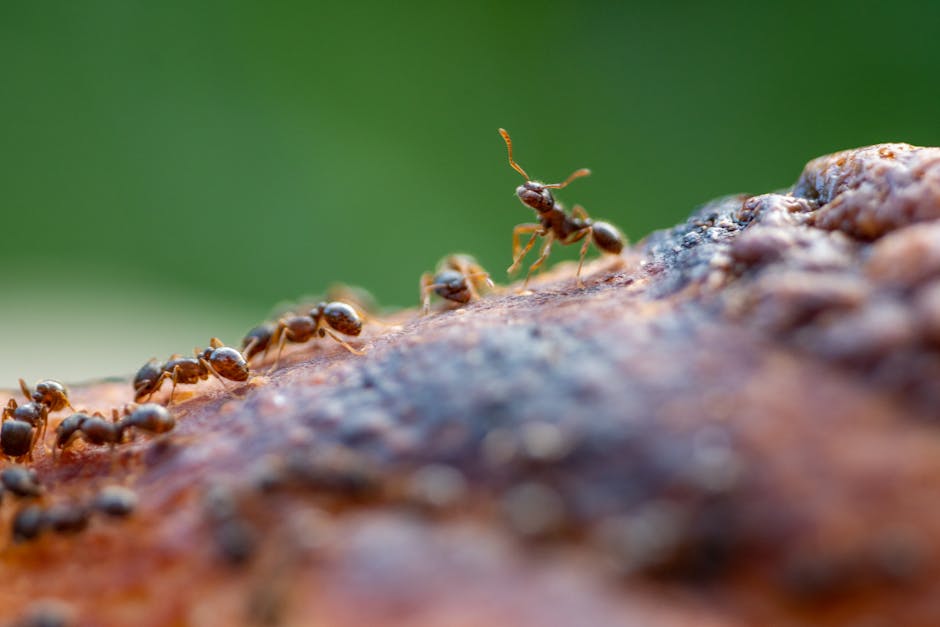
To effectively tackle an ant infestation, it is crucial to understand their behavior and biology. Ants are social insects that live in colonies, which can range from a few dozen to millions of individuals. Each colony has a queen, whose primary role is reproduction, and worker ants, which are responsible for foraging and maintaining the nest. Understanding this social structure can help you target the colony’s weak points.
Foraging Patterns
Ants are known for their systematic foraging patterns. They leave the nest in search of food, following pheromone trails left by other ants. This is why you often see ants walking in a line. Disrupting these trails can be an effective way to deter them. Consider using a mixture of vinegar and water to wipe down surfaces, as vinegar can erase these scent trails.
Common Entry Points
Ants can enter your kitchen through the tiniest of gaps. Common entry points include cracks in walls, gaps around windows and doors, and even through electrical outlets. Regularly inspect these areas and seal any openings with caulk or weather stripping to prevent ants from entering.
Identifying Ant Species
Different ant species require different treatment methods. Some of the most common types of ants found in kitchens include:
- Argentine Ants: Small and brown, these ants are attracted to sweet foods.
- Carpenter Ants: Larger and black, they are known for nesting in wood, which can cause structural damage.
- Odorous House Ants: Known for the rotten coconut smell they emit when crushed, these ants are also attracted to sweets.
Identifying the type of ant you are dealing with can help you choose the most effective treatment method.
DIY Ant Control Methods
There are several DIY methods you can employ to control ant populations in your kitchen. These methods are cost-effective and can be done with items you likely already have at home.
Baiting Techniques
Baiting is one of the most effective ways to eliminate an ant colony. Ants are attracted to the bait, which they carry back to the colony, ultimately killing the queen and other ants. You can make a simple bait using borax and sugar. Mix one part borax with three parts sugar and place it in areas where you have seen ant activity. Ensure that the bait is kept out of reach of pets and children.
Natural Remedies
If you prefer a more natural approach, there are several remedies you can try:
- Lemon Juice: The acidity of lemon juice can disrupt ant trails and deter them from entering your kitchen. Spray lemon juice around entry points and affected areas.
- Essential Oils: Oils such as peppermint, tea tree, and eucalyptus can repel ants. Mix a few drops with water and spray around your kitchen.
- Diatomaceous Earth: This natural powder can be sprinkled around entry points. It works by dehydrating ants, effectively killing them.
Preventing Future Infestations
Once you have dealt with an ant infestation, it is important to take steps to prevent them from returning. Here are some strategies to keep your kitchen ant-free:
Proper Food Storage
Ants are primarily attracted to food, so proper storage is essential. Store all food in airtight containers and ensure that your pantry is clean and organized. Regularly check for expired items and dispose of them promptly.
Regular Cleaning
Maintaining a clean kitchen is one of the best ways to prevent ants. Wipe down counters, sweep floors, and clean up spills immediately. Pay special attention to areas around appliances, as crumbs and spills can accumulate there.
Seal Entry Points
As previously mentioned, sealing entry points is crucial. Regularly inspect your kitchen for any new gaps or cracks and seal them promptly. This will not only prevent ants but also other pests from entering your home.
Common Mistakes to Avoid
When dealing with ants, there are some common mistakes that homeowners make. Avoiding these can increase the effectiveness of your pest control efforts.
Using the Wrong Products
Not all ant control products are created equal. It is important to choose products that are specifically designed for the type of ant you are dealing with. Using the wrong product can be ineffective and may even worsen the infestation.
Ignoring the Colony
Simply killing the ants you see will not solve the problem. The colony must be eliminated to prevent future infestations. This is why baiting is often more effective than sprays, as it targets the entire colony.
Not Being Consistent
Consistency is key when it comes to pest control. Regularly monitor your kitchen for signs of ant activity and take action immediately. Prevention is an ongoing process, and neglecting it can lead to recurring infestations.
Seasonal Ant Activity
Ant activity can vary with the seasons. Understanding these patterns can help you anticipate and prevent infestations.
Spring and Summer
During the warmer months, ants are more active as they search for food and water. This is the time when infestations are most likely to occur. Be extra vigilant during these months and ensure that your kitchen is clean and sealed.
Fall and Winter
In cooler months, ants may seek shelter indoors. While activity may decrease, it is still important to maintain preventative measures. Keep your kitchen clean and continue to monitor for any signs of ant activity.
Safety Precautions When Using Ant Control Products
When using any pest control products, safety should be your top priority. Here are some precautions to take:
Read Labels Carefully
Always read and follow the instructions on product labels. This will ensure that you use the product safely and effectively. Pay attention to any warnings or precautions listed.
Keep Products Out of Reach
Ensure that all pest control products are stored out of reach of children and pets. Consider using child-proof locks on cabinets where these products are stored.
Ventilate the Area
When using sprays or other chemical products, ensure that the area is well-ventilated. Open windows and use fans to circulate air and reduce exposure to fumes.
Early Warning Signs of an Ant Infestation
Being able to recognize the early signs of an ant infestation can help you address the problem before it becomes severe.
Visible Ant Trails
If you notice a line of ants in your kitchen, it is a clear sign of an infestation. Follow the trail to see where they are entering and take action to seal these entry points.
Discarded Wings
During certain times of the year, you may find discarded wings near windows or doors. This indicates that ants are swarming and looking to establish new colonies.
Rustling Noises
If you hear rustling noises within walls or wooden structures, it could be a sign of carpenter ants. These ants can cause significant damage if not addressed promptly.
Advanced DIY Techniques
For those who are keen on tackling ant infestations with more advanced methods, consider these additional DIY techniques:
Creating a Barrier
One effective way to keep ants out is by creating a barrier around your home. Use a non-toxic insecticide powder or spray around the perimeter of your kitchen and home. This acts as a deterrent and can keep ants from crossing into your living spaces.
Using Boric Acid
Boric acid is a potent ant killer that can be used to create bait stations. Mix boric acid with a sweet attractant like sugar or honey and place it in small containers around areas of ant activity. The ants will carry the mixture back to their colony, effectively poisoning it.
Homemade Ant Sprays
Create your own ant spray using household ingredients. A combination of vinegar, water, and a few drops of dish soap can be sprayed directly onto ants to kill them on contact. This mixture can also be used to clean surfaces and erase pheromone trails.
Understanding Ant Colony Structure
Knowing more about the structure of an ant colony can aid in effectively targeting them:
Queen Ant
The queen ant is the heart of the colony, responsible for laying eggs and ensuring the colony’s growth. Without the queen, the colony cannot sustain itself, making her a primary target in extermination efforts.
Worker Ants
Worker ants are responsible for foraging and maintaining the nest. They are the ones you are most likely to see in your kitchen. By targeting worker ants with baits, you can disrupt the colony’s food supply.
Larvae and Pupae
Inside the nest, larvae and pupae are cared for by worker ants. These immature ants are crucial for the colony’s future, and targeting them can prevent the colony from replenishing its numbers.
❓ Frequently Asked Questions
What attracts ants to my kitchen?
Ants are typically attracted to food sources, especially sugary or greasy substances. They can also be drawn to spills, crumbs, and even pet food. Keeping your kitchen clean and sealed can help deter them.
How can I get rid of ants in my kitchen for good?
To get rid of ants in your kitchen for good, start by cleaning up any food debris and sealing entry points. Use a mixture of vinegar and water to wipe down surfaces, which can disrupt their scent trails. Consider using bait traps to eliminate the colony.
Are there any natural remedies to get rid of ants in my kitchen?
Yes, natural remedies like a mixture of water and dish soap can be effective in killing ants on contact. You can also use diatomaceous earth around entry points, as it can help deter ants without harmful chemicals.
How do I prevent ants from coming back to my kitchen?
To prevent ants from returning, ensure all food is stored in airtight containers and clean up spills immediately. Regularly check for and seal any cracks or gaps in your kitchen to block their entry.
Can I use pesticides to get rid of ants in my kitchen?
While pesticides can be effective, they should be used as a last resort, especially in food preparation areas. If you choose to use them, follow the instructions carefully and ensure that food and utensils are covered or removed from the area.
Still not sure exactly what you’re dealing with?
Describe your pest or upload a photo — our free AI identifies it in seconds and gives you a full treatment plan.
Non-repellent perimeter spray — ants can’t detect it, track it back to the colony, and eliminate it.
View Product →