
By eliminating these resources, you make your home less inviting and increase the effectiveness of your gel bait treatment.
Short on time? Find out what pest you have right now — free.
Use our free AI Pest ID tool, then come back to read the full treatment guide.
Understanding Cockroach Behavior
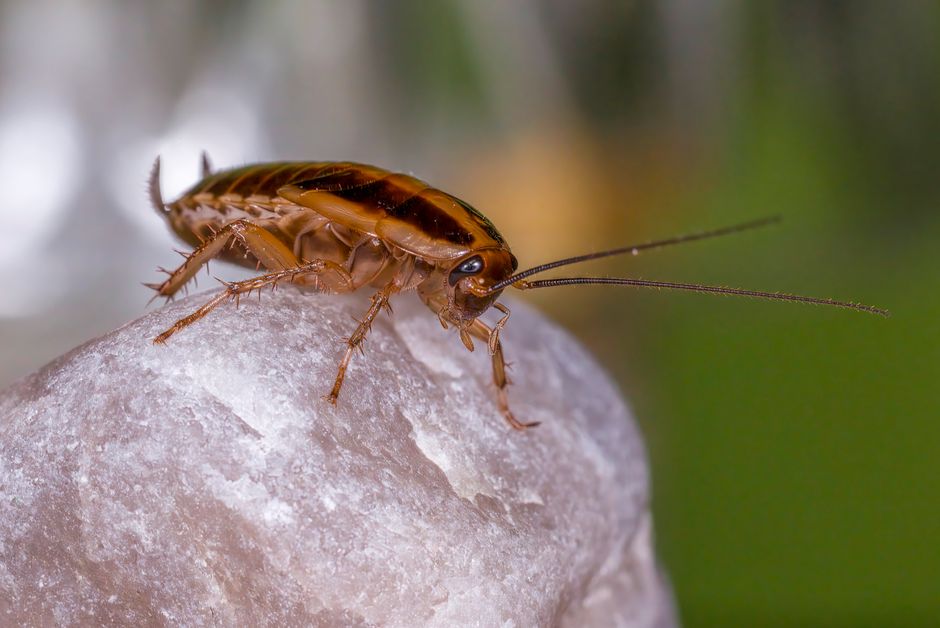
To effectively combat cockroaches, it is crucial to understand their behavior and habits. Cockroaches are nocturnal insects, meaning they are most active during the night. They prefer warm, humid environments and are commonly found in kitchens and bathrooms where food and water are easily accessible. Cockroaches are scavengers and will eat almost anything, including crumbs, grease, and even paper products.
They are also known for their rapid reproduction. A single female cockroach can produce hundreds of offspring in her lifetime, which is why infestations can quickly get out of control if not addressed promptly.
Life Cycle of Cockroaches
The life cycle of a cockroach consists of three stages: egg, nymph, and adult. The egg stage begins when a female cockroach lays an ootheca, a protective egg case containing multiple eggs. Depending on the species, an ootheca can contain anywhere from 10 to 50 eggs. After a few weeks, the eggs hatch into nymphs, which are smaller versions of adult cockroaches without fully developed wings. Nymphs undergo several molts, shedding their exoskeletons as they grow. This process can take anywhere from a few weeks to several months, depending on environmental conditions such as temperature and humidity. After the final molt, nymphs become adults, capable of reproduction and continuing the cycle.
Common Cockroach Species
There are several species of cockroaches that commonly infest homes, each with unique characteristics and behaviors. The German cockroach is one of the most prevalent species, known for its rapid reproduction and preference for warm, moist environments. The American cockroach, often found in sewers and basements, is larger and can fly short distances. The Oriental cockroach, also known as the water bug, prefers cool, damp areas and is often found in basements and crawl spaces. Understanding the specific species in your home can help tailor your control efforts more effectively.
Early Warning Signs of a Cockroach Infestation
Detecting a cockroach infestation early can prevent a minor issue from becoming a major problem. Some early warning signs include:
- Droppings: Small, dark droppings resembling coffee grounds or black pepper can be found in areas where cockroaches are active.
- Egg Cases: Cockroaches lay eggs in brown, capsule-like cases called oothecae. Finding these around your home is a sign of an infestation.
- Musty Odor: A strong, musty smell can indicate a large number of cockroaches are present.
- Smear Marks: Cockroaches leave behind brown smear marks as they crawl along surfaces.
- Live Cockroaches: Seeing cockroaches during the day is a sign of a significant infestation, as it means they are being forced out of hiding due to overcrowding.
Inspecting Common Hiding Spots
Cockroaches are adept at hiding, making it crucial to inspect common hiding spots regularly. Check under sinks, behind appliances, inside cabinets, and in any cracks or crevices. Pay special attention to areas near food and water sources, as these are prime locations for cockroach activity. Using a flashlight and a mirror can help you see into hard-to-reach areas. Regular inspections can help you catch an infestation early and take appropriate action.
DIY Cockroach Control Techniques
While gel bait is highly effective, combining it with other DIY pest control techniques can enhance results. Here are some methods to consider:
- Boric Acid: This powder can be spread in thin layers in areas where cockroaches travel. It sticks to their bodies and is ingested when they groom themselves, ultimately killing them.
- Diatomaceous Earth: A natural, non-toxic powder that dehydrates and kills cockroaches when they come into contact with it. Apply it in cracks, crevices, and other hiding spots.
- Homemade Traps: Create simple traps using a jar with a small amount of food or water at the bottom. Coat the inside rim with petroleum jelly to prevent cockroaches from escaping once they enter.
Creating a Natural Repellent
For those looking to avoid chemical treatments, natural repellents can be an effective alternative. Essential oils such as peppermint, eucalyptus, and tea tree oil have been shown to repel cockroaches. Mix a few drops of essential oil with water in a spray bottle and apply it to areas where cockroaches are likely to enter or hide. Additionally, bay leaves and cucumber slices can be placed in cabinets and pantries as natural deterrents.
Product Application Tips for Gel Bait
Applying gel bait correctly is essential for its success. Here are some tips for effective application:
- Use a Bait Gun: A bait gun allows for precise placement of gel bait in hard-to-reach areas.
- Apply in Small Dots: As mentioned earlier, small pea-sized dots are more effective than large globs. Place these dots every few feet along cockroach travel paths.
- Rotate Baits: Cockroaches can develop resistance to certain baits over time. Rotating between different active ingredients can help maintain effectiveness.
- Monitor and Reapply: Regularly check bait placements and reapply as needed, especially if the bait has been consumed or contaminated.
Strategic Placement of Gel Bait
For optimal results, place gel bait in strategic locations where cockroaches are most likely to encounter it. Focus on areas such as under sinks, behind appliances, inside cabinets, and along baseboards. Avoid placing bait in areas that are frequently cleaned or disturbed, as this can reduce its effectiveness. Consistent monitoring and strategic placement can significantly enhance the impact of your baiting efforts.
Safety Precautions When Using Gel Bait
While gel bait is generally safe when used as directed, it is important to take certain precautions:
- Keep Out of Reach of Children and Pets: Place bait in areas that are inaccessible to children and pets to prevent accidental ingestion.
- Follow Label Instructions: Always read and follow the manufacturer’s instructions for safe and effective use.
- Wear Gloves: Use gloves when applying gel bait to avoid direct contact with the skin.
- Store Properly: Keep bait in its original container and store it in a cool, dry place away from food and water.
Environmental Considerations
When using gel bait, consider the environmental impact of your pest control efforts. Opt for baits that are labeled as environmentally friendly or biodegradable. Proper disposal of unused bait and containers is also crucial to minimize environmental harm. Always follow local regulations regarding the disposal of pest control products to ensure you are protecting both your home and the environment.
Seasonal Activity and Cockroach Control
Cockroach activity can vary with the seasons. Understanding these patterns can help you time your control efforts effectively:
- Spring and Summer: Warmer temperatures and increased humidity can lead to higher cockroach activity. This is an ideal time to apply gel bait and other control measures.
- Fall and Winter: As temperatures drop, cockroaches may seek shelter indoors. Continue monitoring and maintaining bait placements to prevent infestations.
Adjusting Control Strategies Seasonally
Adapting your pest control strategies to the seasons can enhance their effectiveness. In the spring and summer, focus on reducing outdoor populations by sealing entry points and maintaining a clean yard. In the fall and winter, increase indoor monitoring and baiting efforts to catch any cockroaches seeking warmth. Seasonal adjustments ensure that your control measures are always aligned with cockroach activity patterns.
Prevention Strategies to Keep Cockroaches Away
Preventing cockroaches from entering your home is the best way to avoid infestations. Here are some strategies to consider:
- Seal Entry Points: Use caulk to seal cracks and crevices around windows, doors, and pipes to prevent cockroaches from entering.
- Maintain Cleanliness: Regularly clean your home, paying special attention to kitchens and bathrooms where food and moisture are present.
- Reduce Moisture: Fix leaks and use dehumidifiers to reduce humidity levels, making your home less attractive to cockroaches.
- Inspect Packages: Check grocery bags, boxes, and other packages for cockroaches before bringing them into your home.
Long-Term Prevention Tactics
Implementing long-term prevention tactics can significantly reduce the likelihood of future infestations. Regularly inspect and maintain your home’s exterior, ensuring that any potential entry points are sealed. Consider installing door sweeps and weather stripping to further deter cockroaches. Additionally, maintain a regular cleaning schedule and promptly address any repairs or maintenance issues that could create favorable conditions for cockroaches.
Common Homeowner Mistakes in Cockroach Control
When dealing with cockroaches, homeowners often make mistakes that can hinder control efforts. Avoid these common pitfalls:
- Using Too Much Spray: Overusing insecticide sprays can repel cockroaches away from bait, reducing its effectiveness.
- Ignoring the Source: Failing to identify and address the source of the infestation can lead to recurring problems.
- Inconsistent Treatment: Sporadic or incomplete treatment can allow cockroach populations to rebound.
- Neglecting Prevention: Not taking preventive measures can make your home an easy target for future infestations.
Effective Monitoring and Follow-Up
To ensure the success of your cockroach control efforts, establish an effective monitoring and follow-up routine. Regularly inspect bait placements and adjust them as needed based on cockroach activity. Keep a log of sightings and signs of infestation to track progress and identify any patterns. Consistent monitoring and follow-up can help you catch any resurgence of cockroach activity early and take swift action to address it.
By understanding cockroach behavior, recognizing early signs of infestation, and implementing effective control and prevention strategies, you can successfully manage and eliminate cockroach problems in your home.
Step-by-Step Prevention Checklist
Preventing a cockroach infestation requires consistent effort and attention to detail. Follow this checklist to minimize the risk:
- Seal Entry Points: Inspect your home for cracks, crevices, and gaps around doors and windows. Use caulk or weather stripping to seal them.
- Maintain Cleanliness: Regularly clean kitchen counters, floors, and dining areas to avoid leaving food residues. Empty trash bins daily and clean them weekly.
- Store Food Properly: Keep food in airtight containers and ensure pet food is not left out overnight.
- Fix Leaks: Repair any leaking pipes or faucets as cockroaches are attracted to moisture.
- Declutter: Remove unnecessary cardboard boxes, newspapers, and other clutter that can serve as hiding spots.
- Regular Inspections: Conduct routine inspections in areas prone to infestation such as kitchens, bathrooms, and basements.
Signs the Infestation is Getting Worse
Recognizing the signs of a worsening cockroach infestation can help you take timely action:
- Increased Sightings: Seeing cockroaches during the day is a strong indicator of a severe infestation, as they are typically nocturnal.
- More Egg Casings: Finding an increasing number of egg casings (oothecae) suggests rapid reproduction.
- Strong Odor: A musty, unpleasant smell indicates a large population, as cockroaches emit pheromones to communicate.
- Droppings: An accumulation of droppings, which resemble coffee grounds or black pepper, is a sign of high activity.
Myths vs Facts
Understanding the truth about cockroaches can help in effectively managing them:
- Myth: Cockroaches only infest dirty homes. Fact: While cleanliness helps, cockroaches can invade any home in search of food, water, and shelter.
- Myth: Cockroaches can survive a nuclear explosion. Fact: While they are more resistant to radiation than humans, they are not indestructible.
- Myth: If you see one cockroach, there are hundreds more. Fact: While a single sighting can indicate more, it doesn’t always mean a massive infestation.
🛒 What to Buy: DIY Treatment Products
Professional-grade products — the same ones exterminators use, available without a license.
The same gel pros use — roaches carry it back and wipe out the whole colony.
View Product →
Pro Tip: Apply the gel in small, pea-sized dots in areas where you’ve seen roach activity, but avoid over-applying; too much gel can deter them from feeding.
Upgraded formula with an irresistible bait matrix — faster knockdown on tough populations.
View Product →
Pro Tip: Apply the gel in small, pea-sized dots in areas where you’ve seen roach activity, and avoid cleaning those spots for at least a week to allow the roaches to consume it.
Silica dust that kills on contact — apply in wall voids and cracks for up to 10 years of residual control.
View Product →
Pro Tip: For best results, ensure the CimeXa dust is applied in a thin, even layer; too much dust can create clumping and reduce its effectiveness.
If the infestation is severe or beyond DIY control, see the professional option below.
7. Know When It’s Time to Call a Professional
Sometimes infestations get too established for basic DIY treatment alone.
If you’re seeing large numbers of cockroaches during the day, repeated activity after treatment, or infestations spreading to multiple rooms, professional pest control may be the fastest solution.
Heavy infestations often require a combination of baiting, insect growth regulators, crack-and-crevice treatment, and long-term monitoring.
Use Our Free AI Pest Identifier
Not completely sure what bug you’re dealing with?
Use our free AI pest identifier at id.allpestandtermite.com to identify the pest and get a custom treatment plan in minutes.
Not ready to call? Get free competitive quotes.
Compare top-rated local pest control pros — it’s free.
Related Reading
❓ Frequently Asked Questions
What are the benefits of using gel bait to get rid of cockroaches?
Gel bait is an effective way to target cockroaches because it attracts them with a tasty lure while delivering a potent insecticide. This method not only kills the roaches that consume it but can also eliminate others that come into contact with the bait or the roach’s droppings.
How do I apply gel bait to get rid of cockroaches?
To effectively use gel bait, apply small dots of the gel in areas where you’ve seen cockroach activity, such as along baseboards, in corners, and behind appliances. Make sure to follow the instructions on the packaging for the best results.
How long does it take to see results when using gel bait for cockroaches?
After applying gel bait, you may start to see a reduction in cockroach activity within a few days. However, it can take up to two weeks for the population to significantly decrease, as the bait needs to be consumed by the roaches and spread throughout their colony.
Are there any safety precautions I should take when using gel bait for cockroaches?
Yes, when using gel bait, keep it out of reach of children and pets to prevent accidental ingestion. It’s also wise to wear gloves while applying the bait and to wash your hands thoroughly afterward to avoid any skin irritation.
Can gel bait be used alongside other methods to get rid of cockroaches?
Absolutely! Using gel bait in conjunction with other methods, such as sealing entry points and maintaining cleanliness, can enhance your efforts to get rid of cockroaches. This integrated approach helps ensure that you tackle the problem from multiple angles for the best results.
Still not sure exactly what you’re dealing with?
Describe your pest or upload a photo — our free AI identifies it in seconds and gives you a full treatment plan.
Not Sure What Bug You Found?
Upload a photo to our free AI Pest Identifier. Get an instant ID, severity rating, and step-by-step treatment plan — no account required.
🔍 Identify My Pest Free →