
It happens to almost every homeowner — you spot a dark brown bug scurrying across the floor and immediately assume the worst. But not every brown bug is a cockroach. Beetles are far more common, far less dangerous, and treated completely differently. Misidentifying one for the other leads to the wrong treatment and a problem that doesn’t go away.
Short on time? Find out what pest you have right now — free.
Use our free AI Pest ID tool, then come back to read the full treatment guide.
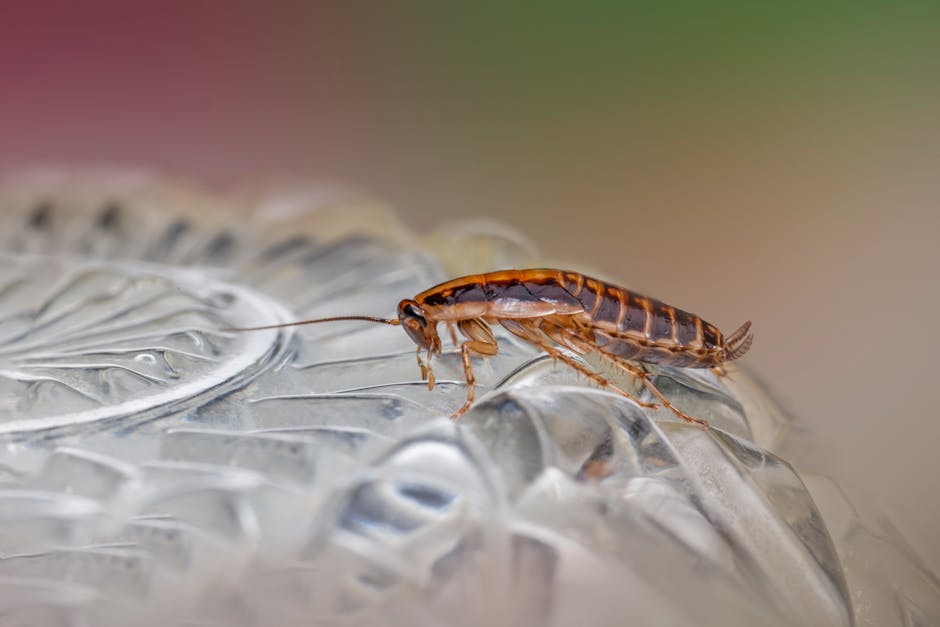
Here’s how to tell them apart quickly and confidently.
The Fastest Way to Tell the Difference
Look at the wings. Beetles have a straight line running down the center of their back where their wing covers (called elytra) meet. Cockroaches have wings that overlap or lie flat without that center line. If you see a clean, straight seam down the middle of the back — it’s almost certainly a beetle.
Body Shape
Cockroaches are flat, oval-shaped, and wide relative to their length. Their body is flexible and designed to squeeze through tight gaps. They move fast and erratically.
Beetles tend to be more rounded or elongated with a harder, more rigid shell. They move more slowly and deliberately.
Antennae
Cockroaches have long, thread-like antennae that are often as long as or longer than their body. They wave constantly as the roach moves.
Beetles have shorter antennae in various shapes — some are club-shaped, some segmented, some saw-toothed. Generally shorter and less active than roach antennae.
Legs
Cockroaches have long, spiny legs designed for running. You’ll notice them clearly even at a glance.
Beetles have shorter legs that are less visible when the insect is moving.
Common Beetles Mistaken for Cockroaches
- Ground beetle — black, shiny, fast-moving. Found near doors and windows.
- Drugstore beetle — small, brown, rounded. Found in pantries and dry goods.
- Powderpost beetle — dark brown, elongated. Found near wood and furniture.
- Longhorned beetle — brown with long antennae. Often mistaken for American cockroach.
Why It Matters
Cockroach treatment uses gel baits, IGRs (insect growth regulators), and crack-and-crevice applications. Beetle treatment focuses on eliminating the food or material source — stored food, wood, fabric — and is completely different. Using cockroach treatment on a beetle problem does nothing.
If you’re not 100% certain, don’t guess. A photo identification takes less than a minute and points you to the right treatment immediately.
Cockroach or beetle? The quick comparison
If you only check one thing, check the antennae. Long, whip-like and always moving means cockroach. Short and stubby means beetle.
| What to look at | Cockroach | Beetle |
|---|---|---|
| Antennae (the fastest check) | Long, thin and thread-like, often as long as the body — and constantly moving. | Short and stiff, frequently thickened or clubbed at the tip. |
| Wing covers | Leathery and overlapping, with no hard seam down the back. | Hard and rigid, meeting in a straight line down the middle of the back. |
| Head | Tucked under a shield, so you usually cannot see it from above. | Usually visible from above. |
| Body shape | Flat and oval — built to flatten into a crack. | More domed and rounded in profile. |
| Legs | Long and noticeably spiny, built for speed. | Shorter and sturdier. |
| What it does when you turn the light on | Bolts for cover immediately. | Carries on slowly, and often blunders towards light. |
| Where you find it | Kitchens and bathrooms, near food, warmth and water, mostly at night. | Pantry goods, carpets, windowsills — often wandered in from outside. |
Understanding Cockroach Biology and Behavior
Cockroaches are nocturnal insects that thrive in warm, humid environments. They are often found in kitchens and bathrooms where food and moisture are abundant. Cockroaches are scavengers and will eat almost anything, including food scraps, paper, and even glue. Their ability to reproduce quickly makes them a challenging pest to control once they have established a presence in your home.
Signs of a Cockroach Infestation
Identifying a cockroach infestation early can help prevent a larger problem. Common signs include:
- Droppings: Small, dark droppings that resemble coffee grounds or black pepper.
- Egg cases: Oval-shaped egg cases, known as oothecae, found in hidden areas.
- Musty odor: A strong, unpleasant odor caused by cockroach pheromones.
- Smear marks: Brown smear marks left on surfaces where cockroaches travel.
Understanding Beetle Biology and Behavior
Beetles are a diverse group of insects with over 350,000 known species. They can be found in various habitats, including gardens, forests, and homes. Beetles have a hard exoskeleton and are generally less of a health risk compared to cockroaches. However, some beetle species can cause damage to plants, wood, and stored products.
Signs of a Beetle Infestation
Beetles can be more challenging to detect than cockroaches, but some signs include:
- Visible beetles: Spotting beetles around windows, doors, or in gardens.
- Damaged plants: Holes or chew marks on leaves and stems.
- Wood damage: Small holes or tunnels in wooden structures.
- Presence of larvae: Finding larvae in stored food or wood.
DIY Cockroach Treatment Strategies
For those who prefer to tackle cockroach infestations on their own, there are several effective DIY methods:
1. Gel Baits
Gel baits are highly effective for cockroach control. Apply the bait in cracks, crevices, and other hiding spots. The cockroaches will consume the bait and share it with others, leading to a reduction in the population.
2. Insect Growth Regulators (IGRs)
IGRs disrupt the life cycle of cockroaches, preventing them from reaching maturity and reproducing. Use IGRs in conjunction with other treatments for best results.
3. Boric Acid
Boric acid is a natural insecticide that can be applied in powder form. When cockroaches come into contact with it, they ingest it while grooming, leading to their demise.
4. Diatomaceous Earth
This natural powder is made from fossilized algae and is safe for humans and pets. It works by dehydrating cockroaches upon contact. Apply it in thin layers in areas where cockroaches are active.
DIY Beetle Treatment Strategies
Beetle infestations can often be managed with these DIY approaches:
1. Manual Removal
For small infestations, manually removing beetles can be effective. Use a vacuum cleaner to capture beetles and dispose of them outside.
2. Traps
Sticky traps can be placed in areas where beetles are active. These traps capture beetles as they move across them, reducing the population over time.
3. Neem Oil
Neem oil is a natural insecticide that can be sprayed on plants to deter beetles. It disrupts their feeding and reproductive cycles.
4. Beneficial Nematodes
These microscopic worms can be introduced into the soil to target beetle larvae. They infect and kill the larvae, preventing them from reaching adulthood.
Seasonal Activity of Cockroaches and Beetles
Understanding the seasonal patterns of these pests can help in planning effective control measures:
Cockroaches
Cockroaches are more active during the warmer months when temperatures rise. They seek shelter indoors to escape the heat and find food and water sources.
Beetles
Beetles can be active year-round, but their activity often peaks in spring and summer. During these seasons, they are more likely to be found in gardens and around outdoor lights.
Prevention Strategies for Cockroaches and Beetles
Preventing infestations is often easier and more effective than dealing with them after they occur. Here are some strategies:
Preventing Cockroaches
- Seal entry points: Use caulk to seal cracks and gaps around doors, windows, and pipes.
- Eliminate food sources: Keep food stored in airtight containers and clean up spills immediately.
- Reduce moisture: Fix leaky pipes and use dehumidifiers to reduce humidity levels.
- Regular cleaning: Maintain a clean home to minimize attractants for cockroaches.
Preventing Beetles
- Maintain your garden: Regularly trim plants and remove debris to reduce beetle habitats.
- Inspect wood: Regularly check wooden structures for signs of beetle damage.
- Store food properly: Keep dry goods in sealed containers to prevent beetle infestations.
- Use natural deterrents: Planting herbs like mint and basil can help repel certain beetle species.
Common Homeowner Mistakes in Pest Control
When dealing with cockroaches and beetles, homeowners often make mistakes that can prolong infestations:
1. Using the Wrong Products
Using products designed for one pest on another can be ineffective. Ensure you are using the correct treatment for the specific pest you are dealing with.
2. Inconsistent Application
Pest control requires consistency. Skipping applications or not following the recommended schedule can allow pests to rebound.
3. Ignoring Prevention
Focusing solely on treatment without addressing prevention can lead to recurring infestations. Implement preventive measures to keep pests at bay.
4. Overlooking Hidden Areas
Pests often hide in hard-to-reach places. Thoroughly inspect and treat these areas to ensure complete control.
Additional Tips for Cockroach and Beetle Control
Beyond the basic strategies, there are additional tips that can enhance your pest control efforts:
Understanding Cockroach Hiding Spots
Cockroaches are adept at finding hiding spots in your home. Common areas include behind appliances, under sinks, and inside cabinets. Regularly inspect these areas and apply treatments as necessary.
Beetle Identification and Monitoring
Accurate identification of beetle species is crucial for effective control. Use a magnifying glass to examine beetle features closely. Set up monitoring stations to track beetle activity and adjust your control strategies accordingly.
Integrating Natural Predators
Encouraging natural predators can aid in controlling both cockroach and beetle populations. Birds, spiders, and certain insects can help keep these pests in check. Create a habitat that attracts these beneficial creatures.
Regular Maintenance and Cleaning
Regular maintenance and cleaning are essential for preventing pest infestations. Schedule routine inspections of your home and garden, and address any issues promptly to maintain a pest-free environment.
❓ Frequently Asked Questions
What are the main differences between cockroaches and beetles?
Cockroaches typically have long, flat bodies and long antennae, while beetles have a more rounded shape and shorter antennae. Additionally, cockroaches are often brown or black and have a shiny appearance, whereas beetles can come in various colors and have a hard outer shell.
How can I identify a cockroach vs. a beetle in my home?
To identify whether you have a cockroach vs. a beetle, observe their movement and habitat. Cockroaches tend to scurry quickly and prefer warm, dark areas, while beetles may be found in gardens or near wood sources. Look closely at their body shape and size for further differentiation.
Are cockroaches or beetles more harmful to my home?
Cockroaches are generally considered more harmful as they can carry diseases and trigger allergies. Beetles, on the other hand, can cause damage to wood and plants but are less likely to pose health risks to humans.
What should I do if I find a cockroach vs. a beetle in my house?
If you find a cockroach, it’s important to act quickly by cleaning up food sources and sealing entry points. For beetles, you can remove them manually or use traps if they become a nuisance. Understanding the differences can help you take appropriate action.
How do I prevent cockroaches and beetles in my home?
To prevent cockroaches, keep your home clean, seal cracks, and store food in airtight containers. For beetles, ensure your garden is well-maintained and remove any wood debris. Regular inspections can help you catch infestations early.
Still not sure exactly what you’re dealing with?
Describe your pest or upload a photo — our free AI identifies it in seconds and gives you a full treatment plan.
Not ready to call? Get free competitive quotes.
Compare top-rated local pest control pros — it’s free.
Related Reading
Upgraded formula with an irresistible bait matrix — faster knockdown on tough populations.
View Product →
Silica dust that kills on contact — apply in wall voids and cracks for up to 10 years of residual control.
View Product →
If the infestation is severe or beyond DIY control, see the professional option below.
Compare top-rated local pest control pros — it’s free.
Compare quotes from top-rated Pest Control Services →
Common Mistakes Homeowners Make in Pest Control
While attempting to manage pest issues, homeowners often make several errors that can exacerbate infestations or render treatments ineffective. Here are a few less obvious mistakes to avoid:
- Misidentifying Pests: Mistaking a beetle for a cockroach can lead to inappropriate treatment methods. Proper identification is crucial before implementing any control strategy.
- Ignoring External Entry Points: Many homeowners focus solely on the interior of their homes, neglecting exterior entry points like cracks in the foundation or gaps around windows and doors.
- Underestimating Infestation Size: Spotting a single cockroach or beetle often indicates a larger hidden population. Comprehensive inspection and treatment are necessary.
- Using Expired Products: Pest control products can lose effectiveness over time. Always check expiration dates before use.
Step-by-Step Prevention Checklist
Preventing pest infestations requires a proactive approach. Follow this checklist to minimize the risk of cockroach and beetle invasions:
- Seal Entry Points: Use caulk or weather stripping to seal cracks and gaps in walls, windows, and doors.
- Maintain Cleanliness: Regularly clean kitchen surfaces, vacuum floors, and dispose of garbage to eliminate food sources.
- Store Food Properly: Keep food in airtight containers to prevent attracting pests.
- Reduce Moisture: Fix leaks and use dehumidifiers in damp areas like basements or bathrooms to deter cockroaches.
- Inspect Deliveries: Check packages and bags for hitchhiking pests before bringing them into your home.
Signs the Infestation is Getting Worse
Recognizing when a pest problem is escalating is crucial for timely intervention. Here are signs that a cockroach or beetle infestation is worsening:
- Increased Sightings: Seeing pests during the day, especially cockroaches, indicates a significant infestation.
- Unpleasant Odors: A strong musty smell can be a sign of a growing cockroach population.
- Damage to Materials: Noticeable damage to food packaging, fabrics, or paper can indicate beetle activity.
- Egg Cases and Droppings: Finding egg cases or an increase in droppings suggests active breeding.
Safety Precautions
When dealing with pest control, safety should be a top priority. Follow these precautions to protect yourself and your household:
- Read Labels Carefully: Always follow the manufacturer’s instructions and safety warnings on pest control products.
- Use Protective Gear: Wear gloves and masks when applying chemicals to prevent skin contact and inhalation.
- Ventilate the Area: Ensure good ventilation in the treated areas to disperse any chemical fumes.
- Keep Pets and Children Away: During and after treatment, ensure that pets and children do not access treated areas until it is safe.
Myths vs Facts
Misconceptions about pest control can lead to ineffective treatment. Here are some common myths and the facts that debunk them:
- Myth: Cockroaches only infest dirty homes. Fact: While cleanliness can reduce the risk, cockroaches can invade any home in search of food, water, and shelter.
- Myth: Beetles are harmless. Fact: Some beetles can cause significant damage to stored products, fabrics, and even wooden structures.
- Myth: Natural remedies are always safe for pets. Fact: Some natural substances can be toxic to pets, so it’s important to use them with caution.
🛒 What to Buy: DIY Treatment Products
Professional-grade products — the same ones exterminators use, available without a license.
The same gel pros use — roaches carry it back and wipe out the whole colony.
View Product →
Pro Tip: Apply the gel in small, pea-sized dots in areas where roaches are active, but avoid large globs; this encourages them to consume it quickly and share it with others in the colony.
Upgraded formula with an irresistible bait matrix — faster knockdown on tough populations.
View Product →
Pro Tip: Apply the gel in small, pea-sized dots in areas where you’ve seen cockroach activity, and avoid wiping the surfaces afterward to allow the cockroaches to consume the bait without interruption.
Silica dust that kills on contact — apply in wall voids and cracks for up to 10 years of residual control.
View Product →
Pro Tip: For best results, ensure the dust is applied in a thin, even layer; too much can clump and reduce its effectiveness, preventing insects from coming into contact with the active ingredient.
If the infestation is severe or beyond DIY control, see the professional option below.
Not Sure What Bug You Found?
Upload a photo to our free AI Pest Identifier. Get an instant ID, severity rating, and step-by-step treatment plan — no account required.
🔍 Identify My Pest Free →
Pingback: 7 Proven Ways to Get Rid of Cockroaches Using Gel Bait
Pingback: Best Cockroach Baits: Why Gel Beats Sprays
Pingback: German vs. American Cockroaches: How to Tell Apart
Pingback: Cockroach Egg Cases: Identify and Destroy Them
Pingback: American vs German Cockroach: Differences & Treatment