
Spider Biology and Habitats
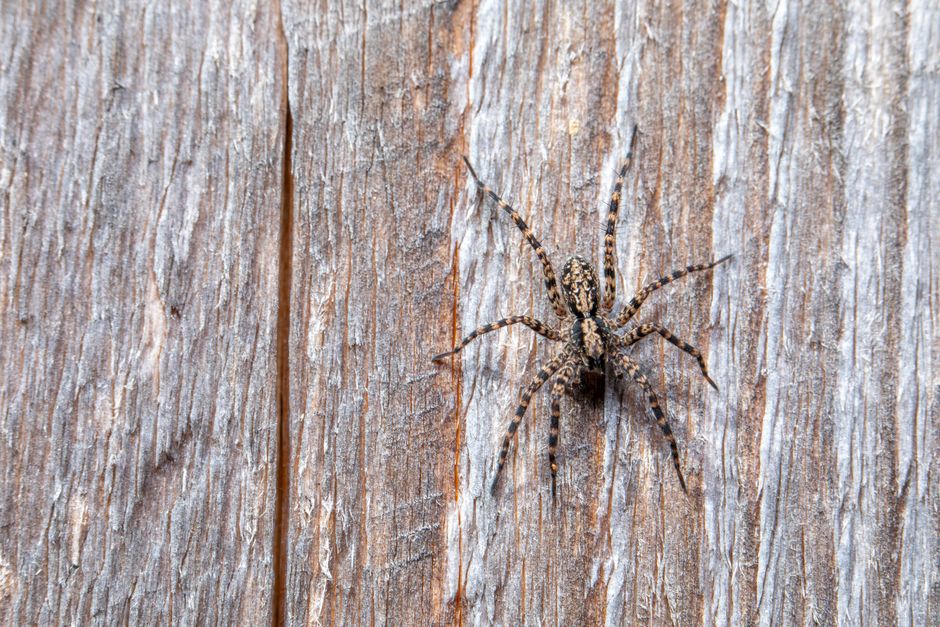
Understanding the biology of spiders can provide insights into why they might choose your garage as a habitat. Spiders are arachnids, meaning they have eight legs and two main body segments. They are equipped with silk-producing glands, which they use to create webs for catching prey, protecting their eggs, or sheltering themselves.
Short on time? Find out what pest you have right now — free.
Use our free AI Pest ID tool, then come back to read the full treatment guide.
Most spiders prefer dark, undisturbed areas where they can build webs or hunt without disturbance. Garages often provide these conditions, especially if they are cluttered or infrequently used. The presence of insects, which are a primary food source for spiders, also makes garages attractive habitats.
Early Warning Signs of Spider Infestation
Detecting a spider infestation early can help you manage it before it becomes a larger problem. Look for these signs:
- Increased Webs: A sudden increase in the number of webs, especially in corners and along ceilings, can indicate a growing spider population.
- Egg Sacs: Spiders lay eggs in silk sacs. Finding these sacs can be a sign that spiders are reproducing in your garage.
- Spider Sightings: Frequent sightings of spiders, especially during the day, can suggest a higher-than-normal population.
- Insect Activity: An increase in insects can lead to more spiders, as they follow their food source.
Spider Reproduction and Lifecycle
Spiders have a fascinating lifecycle that can influence their population dynamics in your garage. Most spiders reproduce by laying eggs, which are encased in silk sacs. A single sac can contain hundreds of eggs, depending on the species. After a few weeks, the eggs hatch into spiderlings, which are miniature versions of adult spiders.
Spiderlings often disperse by ballooning, a process where they release silk threads to catch the wind and carry them to new locations. This can lead to a rapid increase in spider populations if conditions are favorable. Understanding this lifecycle can help you time your control efforts more effectively.
DIY Natural Repellents
Essential Oils
Essential oils can be an effective natural repellent for spiders. Oils such as peppermint, tea tree, and lavender have strong scents that spiders find unpleasant. To use essential oils:
- Mix 10-15 drops of essential oil with water in a spray bottle.
- Spray the mixture in areas where spiders are commonly found, such as corners and entry points.
- Reapply every few days to maintain effectiveness.
Chestnuts and Hedge Apples
Some people believe that placing chestnuts or hedge apples in corners and along walls can deter spiders. While scientific evidence is limited, these natural items may be worth trying as part of a broader pest control strategy.
Understanding Spider Webs
Spider webs are not just nuisances; they are sophisticated structures designed for capturing prey. Different species create different types of webs, such as orb webs, funnel webs, and cobwebs. Understanding the type of web can help identify the spider species present in your garage.
Regularly removing webs can help control spider populations by disrupting their ability to catch food and reproduce. Use a broom or vacuum to clear webs, and focus on high corners and undisturbed areas where webs are likely to be found.
Seasonal Maintenance Tips
Spring and Summer
During the warmer months, focus on reducing the insect population in your garage, as this is the primary food source for spiders. Consider using insect traps or natural repellents to keep insect numbers low.
- Seal Entry Points: Inspect and seal any cracks or gaps to prevent insects and spiders from entering.
- Maintain Cleanliness: Regularly clean and organize your garage to reduce hiding spots for both insects and spiders.
Fall and Winter
In the cooler months, spiders seek shelter from the cold. To prevent them from settling in your garage, focus on making the environment less inviting:
- Reduce Clutter: Store items in sealed containers and keep the floor clear.
- Control Moisture: Use a dehumidifier to reduce humidity levels, making the space less appealing to spiders.
Common Homeowner Mistakes in Spider Control
Even with the best intentions, some common mistakes can undermine your spider control efforts:
- Using General Insect Sprays: Not all insecticides are effective against spiders. Use products specifically designed for spider control.
- Overlooking Outdoor Areas: Spiders often enter garages from outside. Keep the perimeter of your home clear of debris and vegetation.
- Ignoring Regular Maintenance: Consistent cleaning and monitoring are crucial for long-term spider control. Set a schedule and stick to it.
Spider Myths and Facts
There are many myths about spiders that can lead to misconceptions about how to deal with them. Here are some common myths and the facts:
- Myth: All spiders are dangerous.
Fact: Most spiders are harmless and beneficial, as they control insect populations. - Myth: Spiders are more active in the winter.
Fact: Spiders are less active in cold weather but may seek shelter indoors. - Myth: Killing a spider attracts more spiders.
Fact: Spiders do not have a social structure that would cause more to appear if one is killed.
Advanced Spider Control Techniques
For those who want to take their spider control efforts to the next level, consider these advanced techniques:
- Ultrasonic Pest Repellers: These devices emit high-frequency sound waves that are said to deter spiders and other pests. Place them in strategic locations around your garage.
- Barrier Treatments: Apply a perimeter treatment around the exterior of your garage to prevent spiders from entering. This can be done with specialized insecticides designed for outdoor use.
By integrating these detailed strategies and insights into your pest management plan, you can effectively keep spiders out of your garage year-round. Remember, understanding spider behavior and maintaining consistent control measures are key to success.
Step-by-Step Prevention Checklist
Preventing spiders from taking up residence in your garage involves a series of practical steps. Follow this checklist to ensure your garage remains spider-free:
- Seal Entry Points: Inspect your garage for cracks and gaps in doors, windows, and walls. Use caulk or weatherstripping to seal these potential entry points.
- Maintain Cleanliness: Regularly sweep and vacuum your garage to remove webs, egg sacs, and any insects that could serve as food sources for spiders.
- Reduce Clutter: Organize storage items in plastic bins with tight-fitting lids instead of cardboard boxes, which can be inviting to spiders.
- Install Door Sweeps: Ensure garage doors have properly fitted sweeps to prevent spiders from crawling underneath.
- Use Yellow Light Bulbs: Replace outdoor white lights with yellow or sodium vapor bulbs, which are less attractive to insects and, consequently, spiders.
- Trim Vegetation: Keep bushes and trees trimmed and away from the garage exterior to reduce spider access.
- Regular Inspections: Conduct monthly checks for signs of spider activity and address any issues immediately.
Seasonal Behavior Patterns
Understanding the seasonal behavior patterns of spiders can help in planning your control efforts effectively throughout the year:
- Spring: As temperatures rise, spiders become more active and start searching for food. This is an ideal time to implement preventive measures and clean out any webs that may have formed during the winter.
- Summer: Spiders are at their peak activity. Focus on maintaining cleanliness and ensuring that doors and windows are sealed to keep spiders out.
- Fall: Spiders begin to move indoors seeking warmth. Increase efforts to seal entry points and reduce clutter where spiders might hide.
- Winter: Spiders are less active but may still reside in your garage. Regularly check for webs and egg sacs, and maintain a clean environment to deter them.
Signs the Infestation is Getting Worse
Recognizing when a spider problem is escalating is crucial to taking timely action. Here are some indicators that the infestation is worsening:
- Increased Webbing: If you notice more webs appearing, especially in high corners or around windows and doors, it could indicate a growing population.
- Frequent Spider Sightings: Seeing spiders more often, particularly during daylight hours, suggests that their numbers are increasing.
- Egg Sacs: Finding numerous egg sacs is a sign that spiders are breeding and the population is set to expand.
- Spiderlings: Spotting baby spiders indicates that eggs have hatched, and the infestation is likely to grow rapidly.
- Dead Insects: An abundance of dead insects can attract more spiders, as they are a primary food source.
Safety Precautions
While dealing with spiders, it’s important to take safety precautions to protect yourself and your home:
- Wear Protective Clothing: When cleaning or inspecting areas with spider activity, wear gloves and long sleeves to prevent bites.
- Use Caution with Chemicals: If using chemical sprays, follow the manufacturer’s instructions carefully to avoid harm to yourself and pets.
- Proper Ventilation: Ensure adequate ventilation when applying any treatments to prevent inhalation of fumes.
- Dispose of Webs Safely: Use a vacuum with a sealed bag to remove webs and egg sacs, and dispose of the bag immediately.
- Identify Venomous Spiders: Learn to recognize dangerous spiders in your area, such as black widows or brown recluses, and exercise extra caution if they are present.
What Professional Treatment Involves
Professional pest control services offer comprehensive solutions for spider infestations. Here’s what you can expect from professional treatment:
- Inspection: A thorough inspection of your garage and surrounding areas to identify the extent of the infestation and potential entry points.
- Customized Treatment Plan: Development of a tailored plan that addresses your specific spider problem, considering the type and severity of the infestation.
- Application of Treatments: Use of professional-grade insecticides and repellents that are more effective than over-the-counter options, applied safely and strategically.
- Monitoring and Follow-Up: Regular monitoring of the situation and follow-up visits to ensure the treatment’s effectiveness and make adjustments if necessary.
- Preventive Advice: Guidance on how to prevent future infestations, including structural modifications and maintenance tips.
Cost Comparison
Understanding the costs associated with spider control can help you make informed decisions. Here’s a comparison of DIY versus professional treatment costs:
- DIY Methods: Typically range from $20 to $100, depending on the products used and the extent of the measures taken. This includes costs for traps, sprays, and sealing materials.
- Professional Services: Initial treatment can cost between $150 and $300, with additional follow-up visits ranging from $75 to $150 each. Prices vary based on the size of the garage and severity of the infestation.
- Long-Term Savings: While professional services may seem more expensive initially, they often provide a more lasting solution, potentially saving money on repeated DIY attempts.
How Long Treatment Takes
The duration of spider treatment varies based on the method and severity of the infestation:
- DIY Treatment: Initial efforts can take a few hours, but maintaining a spider-free environment requires ongoing vigilance and regular maintenance.
- Professional Treatment: The initial service visit typically lasts 1 to 2 hours. Full eradication may take several weeks, with follow-up visits ensuring continued effectiveness.
- Long-Term Control: Achieving long-term control involves consistent preventive measures and periodic professional assessments.
What to Do if DIY Fails
If your DIY efforts are not yielding the desired results, consider these steps:
- Re-evaluate Methods: Review your current methods to identify any gaps or areas that may need improvement.
- Increase Frequency: Intensify your cleaning and inspection routines to better manage the situation.
- Consult Resources: Utilize online resources or local extension services for additional advice and recommendations.
- Consider Professional Help: If the infestation persists despite your efforts, it may be time to seek professional assistance for a more comprehensive solution.
🛒 What to Buy: DIY Treatment Products
Professional-grade products — the same ones exterminators use, available without a license.
Professional cypermethrin powder — apply at entry points, baseboards, and garages to keep spiders out.
View Product →
Pro Tip: For best results, mix Demon WP with water according to the label instructions and apply it as a fine mist, ensuring you cover all potential entry points thoroughly, especially around door frames and windows where spiders are likely to enter.
Apply in corners, cracks, and voids where spiders hide — kills on contact, residual lasts for years.
View Product →
Pro Tip: For best results, ensure that the dust is applied in a thin, even layer and avoid overloading the application, as a heavy application can reduce the effectiveness of the residual action.
If the infestation is severe or beyond DIY control, see the professional option below.
When to Call a Professional
If you notice a significant increase in spider activity or if you find large spiders like tarantulas, it may be time to call a professional. Also, if you’re allergic to spider bites, it’s best to seek help. Professionals can provide effective treatments and advice tailored to your situation.
Need professional pest control?
Get connected with a licensed exterminator in your area — fast response, residential service.
Use Our Free Pest Identifier
Not sure exactly what you’re dealing with? Our free AI pest identifier at id.allpestandtermite.com can help you confirm your pest and get a full treatment plan in minutes.
Not ready to call? Get free competitive quotes.
Compare top-rated local pest control pros — it’s free.
Related Reading
- Scorpion Season: What Homeowners Need to Know
- Managing Spiders and Other Nuisance Pests
- How to Keep Spiders Out of Your Home Year Round: A Comprehensive Guide to Prevention
🔍 Found a spider or scorpion? Get a free AI identification →
❓ Frequently Asked Questions
What are the best ways to keep spiders out of my garage year round?
To keep spiders out of your garage year round, start by sealing any cracks and gaps in windows, doors, and walls. Regularly declutter your garage to eliminate hiding spots, and consider using natural repellents like peppermint oil or vinegar.
How can I prevent spider webs in my garage?
To prevent spider webs in your garage, make it a habit to clean the space regularly, including sweeping corners and removing any webs you find. Additionally, reducing outdoor lighting near the garage can help minimize insects that attract spiders.
Are there natural methods for keeping spiders out of my garage?
Yes, natural methods such as using essential oils like peppermint or citrus can deter spiders. You can mix these oils with water in a spray bottle and apply it around entry points and corners of your garage.
How to keep spiders out of your garage year round if I have a lot of clutter?
If you have a lot of clutter, it’s essential to organize and minimize items stored in your garage. Use storage bins with lids and regularly sort through your belongings to keep the area tidy and less appealing to spiders.
What should I do if I find a spider nest in my garage?
If you find a spider nest in your garage, carefully remove it using a vacuum or a broom, making sure to dispose of it outside. After removal, take preventive measures like sealing entry points and cleaning regularly to avoid future infestations.
Still not sure exactly what you’re dealing with?
Describe your pest or upload a photo — our free AI identifies it in seconds and gives you a full treatment plan.
Not Sure What Bug You Found?
Upload a photo to our free AI Pest Identifier. Get an instant ID, severity rating, and step-by-step treatment plan — no account required.
🔍 Identify My Pest Free →